SLED Opportunity · CALIFORNIA · ALAMEDA MUNICIPAL POWER
Roof Maintenance CPS 04-26-04
AI Summary
Alameda Municipal Power seeks a C-39 certified contractor for fluid-based roofing membrane application and repairs at two Alameda locations. The project includes safety compliance, prevailing wage adherence, and a 10-year warranty. Bids due June 11, 2026, with work expected to start August 1, 2026, lasting approximately 4 weeks.
Opportunity details
- Solicitation No.
- 263166
- Type / RFx
- Invitation For Bid
- Status
- open
- Level
- local
- Published Date
- May 8, 2026
- Due Date
- June 11, 2026
- Jurisdiction
- Alameda Municipal Power
- State
- California
- Agency
- Alameda Municipal Power
Description
The City of Alameda is seeking a qualified vendor (C-39 certified) to apply a fluid-based roofing membrane system that will extend the longevity of two roofs for Alameda Municipal Power (AMP). The first application is for the Jenny Substation at 2179 Clement Ave, Alameda; the second covers a carport and roof repair at AMP headquarters, 2000 Grand St, Alameda.
Project Details
- Reference ID: CPS 04-26-04
- Department: Support Services
- Department Head: Ikue Suto-McNiff (Procurement Analyst)
Important Dates
- Questions Due: 2026-06-01T07:00:00.000Z
- Pre-Proposal Meeting: 2026-05-27T16:00:00.000Z — 2179 Clement Avenue, Alameda CA 94501 (First location, 9 am) & 2000 Grand Street, Alameda CA 94501 (Second location, approximately 10 am)
Evaluation Criteria
- Bid Submission —
Each bid must be fully completed as directed and submitted via OpenGov Procurement, at https://procurement.opengov.com/portal/alamedaca/projects/263166 (“Bid Portal”), by or before the date and time set forth in "Bid Submission" of the Notice Inviting Bids, or as amended by subsequent addendum (“Bid Deadline”). Each bidder must be registered to submit bids to AMP via the Bid Portal. AMP will not consider bids that are not submitted via the Bid Portal. The Bid Portal will be closed to bidding after the Bid Deadline, and late submittals will not be accepted. For additional information on using the Bid Portal, please visit the OpenGov Help Center at https://opengov.my.site.com/support/s/.
- General. The bids will not be read aloud in public, but bidders will be able to access and view the bid results via the Bid Portal after the Bid Deadline. AMP reserves the right to postpone the date or time of the Bid Deadline by addenda. Each bidder is solely responsible for all of its costs to prepare and submit its bid and by submitting a bid waives any right to recover those costs from AMP or the City. The bid price(s) must include all costs to perform the Work as specified, including all labor, material, supplies, and equipment and all other direct or indirect costs such as applicable taxes, insurance and overhead.
- DIR Registration. Subject to limited legal exceptions for joint venture bids and federally-funded projects, AMP may not accept a bid from a bidder without proof that the bidder is registered with the DIR to perform public work under Labor Code section 1725.5. If AMP is unable to confirm that the bidder is currently registered with the DIR, AMP may disqualify the bidder. (Labor Code sections 1725.5 and 1771.1(a).)
- Subject to Prevailing Wages —
Contractor is required to pay general prevailing wages, as defined in Subchapter 3, Title 8 of the California Code of Regulations and Section 16000 et seq. and Section 1773.1 of the California Labor Code. Pursuant to the provisions of Section 1773 of the California Labor Code, AMP has obtained the general prevailing rate of per diem wages and the general rate for holiday and overtime work in this locality for each craft, classification, or type of worker needed to execute the contract for this Project from the Director of the Department of Industrial Relations (“DIR”). Copies of these rates may be obtained at the Purchasing Division’s office of the City of Palo Alto. Contractor shall provide a copy of prevailing wage rates to any staff or subcontractor hired, and shall pay the adopted prevailing wage rates as a minimum. Contractor shall comply with the provisions of all sections, including, but not limited to, Sections 1775, 1776, 1777.5, 1782, 1810, and 1813, of the Labor Code pertaining to prevailing wages.
- Equal Opportunity —
During the performance of this Contract, the Contractor agrees as follows:
- The Contractor will not discriminate against any employee or applicant for employment because of race, color, religion, sex, sexual orientation, gender identity, or national origin. The Contractor will take affirmative action to ensure that applicants are employed, and that employees are treated during employment without regard to their race, color, religion, sex, sexual orientation, gender identity, or national origin. Such action will include, but not be limited to the following: Employment, upgrading, demotion, or transfer; recruitment or recruitment advertising; layoff or termination; rates of pay or other forms of compensation; and selection for training, including apprenticeship. The Contractor agrees to post in conspicuous places, available to employees and applicants for employment, notices to be provided setting forth the provisions of this nondiscrimination clause.
- The Contractor will, in all solicitations or advertisements for employees placed by or on behalf of the Contractor, state that all qualified applicants will receive consideration for employment without regard to race, color, religion, sex, sexual orientation, gender identity, or national origin.
- The Contractor will not discharge or in any other manner discriminate against any employee or applicant for employment because such employee or applicant has inquired about, discussed, or disclosed the compensation of the employee or applicant or another employee or applicant. This provision will not apply to instances in which an employee who has access to the compensation information of other employees or applicants as a part of such employee’s essential job functions discloses the compensation of such other employees or applicants to individuals who do not otherwise have access to such information, unless such disclosure is in response to a formal complaint or charge, in furtherance of an investigation, proceeding, hearing, or action, including an investigation conducted by the employer, or is consistent with the Contractor's legal duty to furnish information.
- The Contractor will send to each labor union or representative of workers with which it has a collective bargaining agreement or other contract or understanding, a notice to be provided advising the labor union or workers' representatives of the Contractor’s commitments under this Section, and will post copies of the notice in conspicuous places available to employees and applicants for employment.
- The Contractor will comply with all provisions of Executive Order 11246 of September 24, 1965, and of the rules, regulations, and relevant orders of the United States Secretary of Labor.
- The Contractor will furnish all information and reports required by Executive Order 11246 of September 24, 1965, and by rules, regulations, and orders of the United States Secretary of Labor, or pursuant thereto, and will permit access to its books, records, and accounts by the administering agency and the United States Secretary of Labor for purposes of investigation to ascertain compliance with such rules, regulations, and orders.
- In the event of the Contractor’s noncompliance with the nondiscrimination clauses of this Contract or with any of the rules, regulations, or orders, this Contract may be canceled, terminated, or suspended in whole or in part and the Contractor may be declared ineligible for further federal government contracts or federally assisted construction contracts in accordance with procedures authorized in Executive Order 11246 of September 24, 1965, and such other sanctions may be imposed and remedies invoked as provided in Executive Order 11246 of September 24, 1965, or by rule, regulation, or order of the United States Secretary of Labor, or as otherwise provided by law.
- The Contractor will include the portion of the sentence immediately preceding paragraph (A) and the provisions of paragraphs (A) through (H) in every subcontract or purchase order unless exempted by rules, regulations, or orders of the United States Secretary of Labor issued pursuant to section 204 of Executive Order 11246 of September 24, 1965, so that such provisions will be binding upon each Subcontractor or vendor. The Contractor will take such action with respect to any subcontract or purchase order as AMP or funding agency may direct as a means of enforcing such provisions, including sanctions for noncompliance: Provided, however, that in the event a Contractor becomes involved in, or is threatened with, litigation with a Subcontractor or vendor as a result of such direction by AMP or funding agency, the Contractor may request the United States to enter into such litigation to protect the interests of the United States.
- Bid Form or Content —
Any bid protest relating to the form or content of the bidding, Bid Forms or Contract must be submitted in writing via email at least five (5) business days before the original date set for the bid opening. Any Bidder who submits a bid without making a protest shall be deemed to have waived any objection to the form or content of the bidding or Contract Documents not previously stated in writing.
- Bid Submission —
Alameda Municipal Power (“AMP”), a department of the City of Alameda (“City”), acting by and through the City’s Public Utilities Board (“PUB”), will accept electronically submitted bids for its Roof Maintenance CPS 04-26-04 Project (“Project”), by or before Thursday, June 11, 2026 at 3:00 pm, via OpenGov Procurement, at: https://procurement.opengov.com/portal/alamedaca/projects/263166 (“Bid Portal”). Bids that are not submitted by a registered vendor via the Bid Portal will not be accepted.
- Commercial General Liability (“CGL”) Insurance —
The CGL insurance policy limits set forth in subsection "Insurance">"Policies and Limits">"Commercial General Liability ("CGL") Insurance" of the General Conditions are modified for this Contract to require at least $<______________> per occurrence and at least $<________________> general aggregate.
- Bid Documents Included —
The documents below are included with this Invitation for Bid (IFB) for your review and submittal:
- Notice of Invitation for Bid
- Invitation for Bid Terms and Conditions
- Attachment - Sample Contract including Insurance Requirements
- Local Business Affidavit (optional)*
- Non-Collusion Declaration*
- Scope of Work
*Must be submitted with bid.
Please note, bidders must specifically note each edit or exception they may have to the attached sample construction agreement. AMP is not obligated to accept any proposed deviations from the standard contract or agreement, and may consider any deviation non-responsive at AMP’s discretion.
- Determination of Lowest Responsive and Responsible Bidder —
Subject to the conditions of this IFB, AMP will award the Contract, if an award is made, to the lowest responsive and responsible Bidder based on pricing and warranty. In determining whether the Bidder is responsible, AMP will use the criteria set forth below:
- The bidder must have the ability, capacity, experience, and skill to perform the work, or provide the goods and/or services in accordance with the bid specifications;
- The bidder must have the ability to perform the Contract within the time specified;
- The bidder must have the equipment, facilities, and resources of such capacity and location to enable the bidder to perform the Contract;
- The bidder must have the ability to provide, as required, future maintenance, repair, parts, and service for the use of goods purchased;
- The bidder must have a record of satisfactory or better performance under prior contracts with the city or others; and
- The bidder must have complied with applicable laws, regulations, policies (including city council policies), guidelines, and orders governing prior or existing contracts performed by the bidder.
AMP will afford a bidder determined not to be responsible an opportunity to appeal the determination by Bid Protest subject to the requirements of state law.
- Patents —
The Contractor shall defend any suit or proceeding brought against AMP claiming that any device or part thereof constitutes an infringement of any patent of the United States. They shall also pay all damages and costs awarded therein against AMP.
In case said equipment or part thereof is in such suit held to constitute infringement, and the use of such equipment or part thereof is enjoined, the Contractor shall at his own expense either procure for AMP the right to continue using the equipment or part thereof or replace same with non-infringing equipment or part, all at no expense to AMP.
- Article 1 - Definitions —
The following definitions apply to all of the Contract Documents unless otherwise indicated, e.g., additional definitions that apply solely to the Specifications or other technical documents. Defined terms and titles of documents are capitalized in the Contract Documents, with the exception of the following (in any tense or form): “day,” “furnish,” “including,” “install,” “work day” or “working day.”
Allowance means a specific amount that must be included in the bid price for a specified purpose.
AMP means Alameda Municipal Power, a department of the City of Alameda, acting by and through the Public Utilities Board.
Article, as used in these General Conditions, means a numbered Article of the General Conditions, unless otherwise indicated by the context.
Board means the Public Utilities Board, as defined below, unless the context clearly indicates otherwise.
Change Order means a written document duly approved and executed by AMP, which changes the scope of Work, the Contract Price, or the Contract Time.
City means the City of Alameda, acting through its City Council, officers, employees, and any other authorized representatives, including the Public Utilities Board.
Claim means a separate demand by Contractor for a change in the Contract Time or Contract Price, that has previously been submitted to AMP in accordance with the requirements of the Contract Documents, and which has been rejected by AMP, in whole or in part; a written demand by Contractor disputing a unilateral Change Order or a portion thereof, or a written demand by Contractor objecting to the amount of Final Payment.
Contract means the signed agreement between AMP and Contractor for performing the Work required for the Project, and all documents expressly incorporated therein.
Contract Documents means, collectively, all of the documents listed as such in Section "Contract Documents" of the Contract, including the Notice Inviting Bids; the Instructions to Bidders; addenda, if any; the bid, and attachments thereto; the Contract; the Notice of Intent to Award and Notice to Proceed; the payment and performance bonds; the General Conditions; the Special Conditions; the Project Plans and Specifications; any Change Orders; and any other documents which are clearly and unambiguously made part of the Contract Documents. The Contract Documents do not include documents provided “For Reference Only,” or documents that are intended solely to provide information regarding existing conditions.
Contract Price means the total compensation to be paid to Contractor for performance of the Work, as set forth in the Contract and as may be amended by Change Order or adjusted for an Allowance. The Contract Price is not subject to adjustment due to inflation or due to the increased cost of labor, material, supplies or equipment after the Contractor’s bid was submitted.
Contract Time means the time specified for complete performance of the Work, as set forth in the Contract and as may be amended by Change Order.
Contractor means the individual, partnership, corporation, or joint-venture that has signed the Contract with AMP to perform the Work.
Day means a calendar day unless otherwise specified.
Design Professional means the licensed individual(s) or firm(s) retained by AMP to provide architectural, engineering, or other design professional services for the Project. If no Design Professional has been retained for this Project, any reference to Design Professional is deemed to refer to the Engineer.
DIR means the California Department of Industrial Relations.
Drawings has the same meaning as Plans.
Engineer means the Engineering Manager for AMP’s distribution system, and his or her authorized delegees.
Excusable Delay is defined in Section "Excusable Delay".
Extra Work means new or unforeseen work added to the Project, as determined by AMP in its sole discretion, including Work that was not part of or incidental to the scope of the Work when the Contractor’s bid was submitted; Work that is substantially different from the Work as described in the Contract Documents at bid time; or Work that results from a substantially differing and unforeseeable condition.
Final Completion means Contractor has fully completed all of the Work required by the Contract Documents to AMP’s satisfaction, including all punch list items and any required commissioning or training, and has provided AMP with all required submittals, including instructions and manuals, product warranties, and as-built drawings.
Final Payment means payment to Contractor of the unpaid Contract Price, including release of undisputed retention, less amounts withheld or deducted pursuant to the Contract Documents.
Furnish means to purchase and deliver for the Project.
General Manager means the General Manager of AMP or his or her authorized delegee.
Government Code Claim means a claim submitted pursuant to California Government Code § 900 et seq.
Hazardous Materials means any substance or material identified now or in the future as hazardous under any Laws, or any other substance or material that may be considered hazardous or otherwise subject to Laws governing handling, disposal, or cleanup.
Including, whether or not capitalized, means “including, but not limited to,” unless the context clearly requires otherwise.
Inspector means the individual(s) or firm(s) retained or employed by AMP to inspect the workmanship, materials, and manner of construction of the Project and its components to ensure compliance with the Contract Documents and all Laws.
Install means to fix in place for materials, and to fix in place and connect for equipment.
Laws means all applicable local, state, and federal laws, regulations, rules, codes, ordinances, permits, orders, and the like enacted or imposed by or under the auspices of any governmental entity with jurisdiction over any of the Work or any performance of the Work, including health and safety requirements and the Alameda City Charter and Alameda Municipal Code.
Non-Excusable Delay is defined in Section "Non-Excusable Delay".
Plans means AMP-provided plans, drawings, details, or graphical depictions of the Project requirements, but does not include Shop Drawings.
Project means the public works project referenced in the Contract, as modified by any Project alternates elected by AMP, if any.
Project Manager means the individual designated by AMP to oversee and manage the Project on AMP’s behalf and may include his or her authorized delegee(s) when the Project Manager is unavailable. If no Project Manager has been designated for this Project, any reference to Project Manager is deemed to refer to the Engineer.
Public Utilities Board or PUB means the City of Alameda’s Public Utilities Board, which is authorized to control, manage, and contract on behalf of AMP, pursuant to Article XII of the Alameda City Charter.
Recoverable Costs is defined in Section "Recoverable Costs".
Request for Information or RFI means Contractor’s written request for information about the Contract Documents, the Work or the Project, submitted to AMP in the manner and format specified by AMP.
Section, when capitalized in these General Conditions, means a numbered section or subsection of the General Conditions, unless the context clearly indicates otherwise.
Shop Drawings means drawings, plan details or other graphical depictions prepared by or on behalf of Contractor, and subject to AMP’s acceptance, which are intended to provide details for fabrication, installation, and the like, of items required by or shown in the Plans or Specifications.
Specialty Work means Work that must be performed by a specialized Subcontractor with the specified license or other special certification, and that the Contractor is not qualified to self-perform.
Specifications means the technical, text specifications describing the Project requirements, which are prepared for and incorporated into the Contract by or on behalf of AMP, and does not include the Contract, General Conditions or Special Conditions.
Subcontractor means an individual, partnership, corporation, or joint-venture retained by Contractor directly or indirectly through a subcontract to perform a specific portion of the Work. The term Subcontractor applies to subcontractors of all tiers, unless otherwise indicated by the context. A third party such as a utility performing related work on the Project is not a Subcontractor, even if Contractor must coordinate its Work with the third party.
Technical Specifications has the same meaning as Specifications.
Work means all of the construction and services necessary for or incidental to completing the Project in conformance with the requirements of the Contract Documents.
Work Day or Working Day, whether or not capitalized, means a weekday when AMP is open for business, and does not include holidays observed by AMP.
Worksite means the place or places where the Work is performed, which includes, but may extend beyond the Project site, including separate locations for staging, storage, or fabrication.
- Roof Maintenance —
Introduction
The City of Alameda is seeking a qualified vendor (C-39 certified) to apply a fluid-based roofing membrane system that will extend the longevity of two roofs for Alameda Municipal Power (AMP). The first application is for the Jenney Substation at 2179 Clement Ave, Alameda; the second covers a carport and roof repair at AMP headquarters, 2000 Grand St, Alameda.
The vendor will provide the following for each project:
Safety and Project Preparation
- Furnish and install proper safety equipment.
- Erect and maintain the fall protection system as per the OSHA requirements.
- Furnish and install warning lines in identified areas associated with ground related roofing activities.
- Clean existing roof, ensuring it is free from debris and contaminants.
- Protect and barricade personnel entrance as required.
- Flag and protect means of egress for roof travel.
- Jobsite will be cleaned daily during the project and at the completion of the project.
Warranty
- Upon completion of the project, provide a 10-year manufacturer warranty.
- Provide a 2-year workmanship warranty from the contractor.
The Jenney Substation roof is approximately 3,500 square feet. The system application will include:
Substrate Preparation
- The roof at Jenney was sampled for asbestos and tested positive. A report is available in the attachments tab.
- Remove all dust, dirt, oil, and any other foreign contaminants. Remove any other loose or existing waterproof coatings that may affect the adhesion of the system.
Roofing Material Installation
- Apply silicone sealants to all pipe flashings, corners, and around drains.
- Apply primer coating according to the manufacturer’s requirements for the number of layers and thickness necessary to achieve a 10-year warranty.
- Provide manufacturer literature with your submittal that specifies the thickness and number of layers necessary to achieve a 10-year warranty.
- Apply silicone roof coating according to the manufacturer’s requirements for the number of layers and thickness necessary to achieve a 10-year warranty.
- Provide manufacturer literature with your submittal that specifies the thickness and number of layers necessary to achieve a 10-year warranty.
- Remove all roof related trash and debris.
The carport at AMP headquarters is approximately 2,900 square feet. The repair and system application will include:
Substrate Preparation
- The roof of the carport was sampled for asbestos. The sample did not test positive. A report is available in the attachments tab.
- Remove all dust, dirt, oil, and any other foreign contaminants. Remove any other loose or existing waterproof coatings that may affect adhesion of the system.
Roofing Material Installation
- Repair roof: Repair torn membrane area (12'x18") with self-adhered membrane and seal around the perimeter.
- Clean the three drain areas and entire waterway (24'x120').
- Reseal edge metal around roof perimeter (288 linear feet). Apply silicone sealants to all pipe flashings, corners, and around drains.
- Apply primer coating (24’x120’) according to the manufacturer’s requirements for the number layers and thickness necessary to achieve a 10-year warranty.
- Provide manufacturer literature with your submittal that specifies the thickness and number of layers necessary to achieve a 10-year warranty.
- Apply silicone roof coating (24’x120’) according to the manufacturer’s requirements for the number layers and thickness necessary to achieve a 10-year warranty.
- Provide manufacturer literature with your submittal that specifies the thickness and number of layers necessary to achieve a 10-year warranty.
- Remove all roof related trash and debris.
Work is expected to commence upon execution of a signed contract. The vendor must meet the insurance requirements listed in the sample contract. As this is a public works project, the vendor must be registered with the California Department of Industrial Relations (DIR). The selected vendor will be required to attain an Alameda Business License. Vendors new to AMP will also be required to complete a vendor set-up form and send a W-9.
- [Project Special Conditions] —
[Enter Content]
- Davis-Bacon Act —
Contractor must comply with the Davis-Bacon Act (40 U.S.C. § 3141 et seq.) and the requirements of 29 CFR Part 5 as may be applicable, including the provisions in 29 CFR § 5.5(a), which are attached hereto and incorporated herein by reference. Contractor will pay wages to laborers and mechanics, not less than once a week, and at a rate not less than the current federal prevailing wages specified in the Davis-Bacon Act Wage Determination attached hereto and incorporated herein. By entering into this Contract, Contractor accepts the attached Wage Determination. Contractor and Subcontractors must insert the requirements in 29 CFR § 5.5(a) in full into subcontracts of any tier.<The current Davis-Bacon Act Wage Determination, which may be accessed at https://sam.gov/content/wage-determinations,must be printed and included with the Contract Documents. Additionally, the current provisions at 29 CFR § 5.5(a), which may be accessed at https://www.ecfr.gov/current/title-29/subtitle-A/part-5//subpart-A/section-5.5, should be printed and included with the Contract Documents. Refer to the applicable Notice of Funding Opportunity or other program guidance and/or contact the federal funding agency representative for additional information on how to implement this requirement and any other required contract provisions for compliance with the Davis-Bacon Act and related acts and incorporate the federal agency-specific requirements as appropriate.>
- Pollution Liability Insurance Waived —
The pollution liability insurance policy requirement set forth in subsection "Insurance">"Policies and Limits">"Pollution Liability Insurance" of the General Conditions is hereby waived and does not apply to this Contract.
- Article 2 - Roles and Responsibilities —
- Alameda Municipal Power (AMP).
- Public Utilities Board. The Public Utilities Board has final authority in all matters affecting the Project, except to the extent it has delegated authority to the Engineer and/or Project Manager.
- Engineer. The Engineer, acting within the authority conferred by the Public Utilities Board, is responsible for administration of the Project on behalf of AMP, including authority to provide directions to the Design Professional and to Contractor to ensure proper and timely completion of the Project. The Engineer’s decisions are final and conclusive within the scope of his or her authority, including interpretation of the Contract Documents.
- Project Manager. The Project Manager assigned to the Project will be the primary point of contact for the Contractor and will serve as AMP’s representative for daily administration of the Project on behalf of AMP. Unless otherwise specified, all of Contractor’s communications to AMP (in any form) will go to or through the Project Manager. AMP reserves the right to reassign the Project Manager role at any time or to delegate duties to additional AMP representatives, without prior notice to or consent of Contractor.
- Design Professional. The Design Professional is responsible for the overall design of the Project and, to the extent authorized by AMP, may act on AMP’s behalf to ensure performance of the Work in compliance with the Plans and Specifications, including any design changes authorized by Change Order. The Design Professional’s duties with respect to the Project may include review of Contractor’s submittals, visits to any Worksite, inspecting the Work, evaluating test and inspection results, and participation in Project-related meetings, including the pre-construction conference, weekly meetings, and coordination meetings. The Design Professional’s interpretation of the Plans or Specifications is final and conclusive.
- Contractor.
- General. Contractor must provide all labor, materials, supplies, equipment, services, and incidentals necessary to perform and timely complete the Work in strict accordance with the Contract Documents, and in an economical and efficient manner in the best interests of AMP, and with minimal inconvenience to the public.
- Responsibility for the Work and Risk of Loss. Contractor is responsible for supervising and directing all aspects of the Work to facilitate the efficient and timely completion of the Work. Contractor is solely responsible for and required to exercise full control over the Work, including the construction means, methods, techniques, sequences, procedures, safety precautions and programs, and coordination of all portions of the Work with that of all other contractors and Subcontractors, except to the extent that the Contract Documents provide other specific instructions. Contractor’s responsibilities extend to any plan, method or sequence suggested, but not required by AMP or specified in the Contract Documents. From the date of commencement of the Work until either the date on which AMP formally accepts the Project or the effective date of termination of the Contract, whichever is later, Contractor bears all risks of injury or damage to the Work and the materials and equipment delivered to any Worksite, by any cause including fire, earthquake, wind, weather, vandalism or theft, subject to the limitations of Laws, including Public Contract Code § 7105.
- Project Administration. Contractor must provide sufficient and competent administration, staff, and skilled workforce necessary to perform and timely complete the Work in accordance with the Contract Documents. Before starting the Work, Contractor must designate in writing and provide complete contact information, including telephone numbers and email address, for the officer or employee in Contractor’s organization who is to serve as Contractor’s primary representative for the Project, and who has authority to act on Contractor’s behalf. A Subcontractor may not serve as Contractor’s primary representative.
- On-Site Superintendent. Contractor must, at all times during performance of the Work, provide a qualified and competent full-time superintendent acceptable to AMP, and assistants as necessary, who must be physically present at the Project site while any aspect of the Work is being performed. The superintendent must have full authority to act and communicate on behalf of Contractor, and Contractor will be bound by the superintendent’s communications to AMP. AMP’s approval of the superintendent is required before the Work commences. If AMP is not satisfied with the superintendent’s performance, AMP may request a qualified replacement of the superintendent. Failure to comply may result in temporary suspension of the Work, at Contractor’s sole expense and with no extension of Contract Time, until an approved superintendent is physically present to supervise the Work. Contractor must provide written notice to AMP, as soon as practicable, before replacing the superintendent.
- Standards. Contractor must, at all times, ensure that the Work is performed in an efficient, skillful manner following best practices and in full compliance with the Contract Documents and Laws and applicable manufacturer’s recommendations. Contractor has a material and ongoing obligation to provide true and complete information, to the best of its knowledge, with respect to all records, documents, or communications pertaining to the Project, including oral or written reports, statements, certifications, Change Order requests, or Claims.
- Meetings. Contractor, its project manager, superintendent and any primary Subcontractors requested by AMP, must attend a pre-construction conference as scheduled by AMP in the Notice to Proceed, as well as weekly Project progress meetings scheduled with the Project Manager. Contractor must submit its baseline schedule, by or before the pre-construction conference, as specified in the Notice to Proceed, and any other submittals required for the pre-construction conference as may be further specified in the Notice to Proceed. If applicable, Contractor may also be required to participate in coordination meetings with other parties relating to other work being performed on or near the Project site or in relation to the Project, including work or activities performed by AMP, other contractors, or other utility owners.
- Construction Records. Contractor will maintain up-to-date, thorough, legible, and dated daily job reports, which document all significant activity on the Project for each day that Work is performed on the Project. The daily report for each day must include the number of workers at the Project site; primary Work activities; major deliveries; problems encountered, including injuries, if any; weather and site conditions; and delays, if any. Contractor will take date and time-stamped photographs to document general progress of the Project, including site conditions prior to construction activities, before and after photographs at offset trench laterals, existing improvements and utilities, damage and restoration. Contractor will maintain copies of all subcontracts, Project-related correspondence with subcontractors, and records of meetings with subcontractors. Upon request by the Project Manager, Contractor will permit review of and/or provide copies of any of these construction records.
- Responsible Party. Contractor is solely responsible to AMP for the acts or omissions of any Subcontractors, or any other party or parties performing portions of the Work or providing equipment, materials or services for or on behalf of Contractor or the Subcontractors. Upon AMP’s written request, Contractor must promptly and permanently remove from the Project, at no cost to AMP, any employee or Subcontractor or employee of a Subcontractor who AMP has determined to be incompetent, intemperate or disorderly, or who has failed or refused to perform the Work as required under the Contract Documents.
- Correction of Defects. Contractor must promptly correct, at Contractor’s sole expense, any Work that is determined by AMP to be deficient or defective in any way, including workmanship, materials, parts or equipment. Workmanship, materials, parts or equipment that do not conform to the requirements under the Contract Documents, as determined by AMP, will be considered defective and subject to rejection. Contractor must also promptly correct, at Contractor’s sole expense, any Work performed beyond the lines and grades shown on the Plans or established by AMP, and any Extra Work performed without AMP’s prior written approval. If Contractor fails to correct or to take reasonable steps toward correcting defective Work within five days following notice from AMP, or within the time specified in AMP’s notice to correct, AMP may elect to have the defective Work corrected by its own forces or by a third party, in which case the cost of correction will be deducted from the Contract Price. If AMP elects to correct defective Work due to Contractor’s failure or refusal to do so, AMP or its agents will have the right to take possession of and use any equipment, supplies, or materials available at the Project site, in order to effectuate the correction, at no extra cost to AMP. Contractor’s warranty obligations under Section "Warranty", will not be waived nor limited by AMP’s actions to correct defective Work under these circumstances. Alternatively, AMP may elect to retain defective Work, and deduct the difference in value, as determined by AMP, from payments otherwise due to Contractor. This paragraph applies to any defective Work performed by Contractor during the one-year warranty period under Section "Warranty".
- Contractor’s Records. Contractor must maintain all of its records relating to the Project in any form, including paper documents, photos, videos, electronic records, approved samples, and the construction records required pursuant to paragraph (G), above. Project records subject to this provision include complete Project cost records and records relating to preparation of Contractor’s bid, including estimates, take-offs, and price quotes or bids.
- Contractor’s cost records must include all supporting documentation, including original receipts, invoices, and payroll records, evidencing its direct costs to perform the Work, including, but not limited to, costs for labor, materials and equipment. Each cost record should include, at a minimum, a description of the expenditure with references to the applicable requirements of the Contract Documents, the amount actually paid, the date of payment, and whether the expenditure is part of the original Contract Price, related to an executed Change Order, or otherwise categorized by Contractor as Extra Work. Contractor’s failure to comply with this provision as to any claimed cost operates as a waiver of any rights to recover the claimed cost.
- Contractor must continue to maintain its Project-related records in an organized manner for a period of five years after AMP’s acceptance of the Project or following Contract termination, whichever occurs first. Subject to prior notice to Contractor, AMP is entitled to inspect or audit any of Contractor’s records relating to the Project during Contractor’s normal business hours. Contractor’s records may also be subject to examination and audit by the California State Auditor, pursuant to Government Code § 8546.7. The record-keeping requirements set forth in this subsection "Contractor's Records" will survive expiration or termination of the Contract.
- Copies of Project Documents. Contractor and its Subcontractors must keep copies, at the Project site, of all Work-related documents, including the Contract, permit(s), Plans, Specifications, addenda, Contract amendments, Change Orders, RFIs and RFI responses, Shop Drawings, as-built drawings, schedules, daily records, testing and inspection reports or results, and any related written interpretations. These documents must be available to AMP for reference at all times during construction of the Project.
- Subcontractors.
- General. All Work which is not performed by Contractor with its own forces must be performed by Subcontractors. AMP reserves the right to approve or reject any and all Subcontractors proposed to perform the Work, for reasons including the Subcontractor’s poor reputation, lack of relevant experience, financial instability, and lack of technical ability or adequate trained workforce. Each Subcontractor must obtain a City business license before performing any Work.
- Contractual Obligations. Contractor must require each Subcontractor to comply with the provisions of the Contract Documents as they apply to the Subcontractor’s portion(s) of the Work, including the generally applicable terms of the Contract Documents, and to likewise bind their subcontractors. Contractor will provide that the rights that each Subcontractor may have against any manufacturer or supplier for breach of warranty or guarantee relating to items provided by the Subcontractor for the Project, will be assigned to AMP. Nothing in these Contract Documents creates a contractual relationship between a Subcontractor and AMP, but AMP is deemed to be a third-party beneficiary of the contract between Contractor and each Subcontractor.
- Termination. If the Contract is terminated, each Subcontractor’s agreement must be assigned by Contractor to AMP, subject to the prior rights of any surety, but only if and to the extent that AMP accepts, in writing, the assignment by written notification, and assumes all rights and obligations of Contractor pursuant to each such subcontract agreement.
- Substitution of Subcontractor. If Contractor requests substitution of a listed Subcontractor under Public Contract Code § 4107, Contractor is solely responsible for all costs AMP incurs in responding to the request, including legal fees and costs to conduct a hearing, and any increased subcontract cost to perform the Work that was to be performed by the listed Subcontractor. If AMP determines that a Subcontractor is unacceptable to AMP based on the Subcontractor’s failure to satisfactorily perform its Work, or for any of the grounds for substitution listed in Public Contract Code § 4107 (a), AMP may request removal of the Subcontractor from the Project. Upon receipt of a written request from AMP to remove the Subcontractor pursuant to this paragraph, Contractor will immediately remove the Subcontractor from the Project and, at no further cost to AMP, will either (1) self-perform the remaining Work to the extent that Contractor is duly licensed and qualified to do so, or (2) substitute a Subcontractor that is acceptable to AMP, in compliance with Public Contract code § 4107, as applicable.
- Coordination of Work.
- Concurrent Work. AMP reserves the right to perform, have performed, or permit performance of other work on or adjacent to the Project site while the Work is being performed for the Project. Contractor is responsible for coordinating its Work with other work being performed on or adjacent to the Project site, including by any utility companies or agencies, and must avoid hindering, delaying, or interfering with the work of other contractors, individuals, or entities, and must ensure safe and reasonable site access and use as required or authorized by AMP. To the full extent permitted by law, Contractor must hold harmless and indemnify AMP and the City against any and all claims arising from or related to Contractor’s avoidable, negligent, or willful hindrance of, delay to, or interference with the work of any utility company or agency or another contractor or subcontractor.
- Coordination. If Contractor’s Work will connect or interface with work performed by others, Contractor is responsible for independently measuring and visually inspecting such work to ensure a correct connection and interface. Contractor is responsible for any failure by Contractor or its Subcontractors to confirm measurements before proceeding with connecting Work. Before proceeding with any portion of the Work affected by the construction or operations of others, Contractor must give AMP prompt written notification of any defects Contractor discovers which will prevent the proper execution of the Work. Failure to give notice of any known or reasonably discoverable defects will be deemed acknowledgement by Contractor that the work of others is not defective and will not prevent the proper execution of the Work. Contractor must also promptly notify AMP if work performed by others, including work or activities performed by AMP’s own forces, is operating to hinder, delay, or interfere with Contractor’s timely performance of the Work. AMP reserves the right to backcharge Contractor for any additional costs incurred due to Contractor’s failure to comply with the requirements in this Section "Coordination of Work".
- Submittals. Unless otherwise specified, Contractor must submit to the Project Manager for review and acceptance, all schedules, Shop Drawings, samples, product data, and similar submittals required by the Contract Documents, or upon request by the Project Manager. Unless otherwise specified, all submittals, including Requests for Information, are subject to the general provisions of this Section, as well as specific submittal requirements that may be included elsewhere in the Contract Documents, including the Special Conditions or Specifications. The Project Manager may require submission of a submittal schedule at or before the pre-construction conference, as may be specified in the Notice to Proceed.
- General. Contractor is responsible for ensuring that its submittals are accurate and conform to the Contract Documents.
- Time and Manner of Submission. Contractor must ensure that its submittals are prepared and delivered in a manner consistent with the current AMP-accepted schedule for the Work and within the applicable time specified in the Contract Documents, or if no time is specified, in such time and sequence so as not to delay the performance of the Work or completion of the Project.
- Required Contents. Each submittal must include the Project name and contract number, Contractor’s name and address, the name and address of any Subcontractor or supplier involved with the submittal, the date, and references to applicable Specification section(s) and/or drawing and detail number(s).
- Required Corrections. If corrections are required, Contractor must promptly make and submit any required corrections as specified in full conformance with the requirements of this Section, or other requirements that apply to that submittal.
- Effect of Review and Acceptance. Review and acceptance of a submittal by AMP will not relieve Contractor from complying with the requirements of the Contract Documents. Contractor is responsible for any errors in any submittal, and review or acceptance of a submittal by AMP is not an assumption of risk or liability by AMP.
- Enforcement. Any Work performed or any material furnished, installed, fabricated or used without AMP’s prior acceptance of a required submittal is performed or provided at Contractor’s risk, and Contractor may be required to bear the costs incident thereto, including the cost of removing and replacing such Work, repairs to other affected portions of the Work or material, and the cost of additional time or services required of AMP, including costs for the Design Professional, Project Manager, or Inspector.
- Excessive RFIs. An RFI will be considered excessive or unnecessary if AMP determines that the explanation or response to the RFI is clearly and unambiguously discernable from the Contract Documents. AMP’s costs to review and respond to excessive or unnecessary RFIs may be deducted from payments otherwise due to Contractor.
- Shop Drawings. When Shop Drawings are required by the Specifications or requested by the Project Manager, they must be prepared according to best practices at Contractor’s expense. The Shop Drawings must be of a size and scale to clearly show all necessary details. Unless otherwise specified by AMP, Shop Drawings must be provided to the Project Manager for review and acceptance at least 30 days before the Work will be performed. If AMP requires changes, the corrected Shop Drawings must be resubmitted to the Project Manager for review within the time specified by the Project Manager. For all Project components requiring Shop Drawings, Contractor will not furnish materials or perform any Work until the Shop Drawings for those components are accepted by AMP. Contractor is responsible for any errors or omissions in the Shop Drawings, shop fits and field corrections; any deviations from the Contract Documents; and for the results obtained by the use of Shop Drawings. Acceptance of Shop Drawings by AMP does not relieve Contractor of Contractor’s responsibility.
- Access to Work. Contractor must afford prompt and safe access to any Worksite by AMP and its employees, agents, or consultants authorized by AMP; and upon request by AMP, Contractor must promptly arrange for AMP representatives to visit or inspect manufacturing sites or fabrication facilities for items to be incorporated into the Work.
- Personnel. Contractor and its Subcontractors must employ only competent and skillful personnel to perform the Work. Contractor and its Subcontractor’s supervisors, security or safety personnel, and employees who have unescorted access to the Project site must possess proficiency in English sufficient to read, understand, receive, and implement oral or written communications or instructions relating to their respective job functions, including safety and security requirements. Upon written notification from the Project Manager, Contractor and its Subcontractors must immediately discharge any personnel who are incompetent, disorderly, disruptive, threatening, abusive, or profane, or otherwise refuse or fail to comply with the requirements of the Contract Documents or Laws, including Laws pertaining to health and safety. Any such discharged personnel, may not be re-employed or permitted on the Project in any capacity without AMP’s prior written consent.
- Alameda Municipal Power (AMP).
- Project Information —
- Location and Description. The Project is located at Jenney Substation (2179 Clement Street, Alameda CA 94501) and AMP Headquarters (2000 Grand Street, Alameda CA 94501), and is described as follows: The City of Alameda is seeking a qualified vendor (C-39 certified) to apply a fluid-based roofing membrane system that will extend the longevity of two roofs for Alameda Municipal Power (AMP). The first application is for the Jenney Substation at 2179 Clement Ave, Alameda; the second covers a carport and roof repair at AMP headquarters, 2000 Grand St, Alameda. The Scope of Work contains the full description of the Work.
- Time for Final Completion. The Project must be fully completed within approximately 4 weeks from the start date set forth in the Notice to Proceed. AMP anticipates that the Work will begin on or about August 1, 2026, but the anticipated start date is provided solely for convenience and is neither certain nor binding.
- Inspection of Work —
AMP shall have the right to inspect the work of the Contractor on a regular basis. Any work which is deficient, in the sole opinion of AMP, shall be redone by the Contractor at no additional cost to AMP. The Contractor shall provide a twenty-four (24) hour response time on all such rework on normal business days.
- Authorized Work Days and Hours —
- Authorized Work Days. Except as expressly authorized in writing by AMP, Contractor is limited to performing Work on the Project on the following days of the week, excluding holidays observed by AMP:
<_______________________________________________> - Authorized Work Hours. Except as expressly authorized in writing by AMP, Contractor is limited to performing Work on the Project during the following hours:
<_______________________________________________>
- Authorized Work Days. Except as expressly authorized in writing by AMP, Contractor is limited to performing Work on the Project on the following days of the week, excluding holidays observed by AMP:
- Local Preference Rule —
The local preference rule is set forth in section 3-17 of the City Charter and Article V. Chapter II of the Municipal Code. Evaluation of any contract or hiring of any labor for public contract work, preference shall be given to contractors, mechanics, artisans or other laborers of any class, who shall be a local business as defined herein, provided that the labor, quality and price of the work shall be equal to that of others who would be considered for the award of the contract.
Local businesses are defined in the Municipal Code as a business firm with fixed offices or local taxable distribution points within the boundaries of the City of Alameda which hold a current business license with an Alameda business address which is not a Post Office box. Bidder shall clearly indicate if he or she believes they qualify for this preference and submit the "Local Business Affidavit" form via the Vendor Questionnaire. The final determination of qualification for Alameda Bidder's preference rests with AMP.
- Certified Payroll —
AMP requires Contractor and its listed subcontractors to comply with the requirements of Labor Code section 1776, including:
Keep accurate payroll records, showing the name, address, social security number, work classification, straight time and overtime hours worked each day and week, and the actual per diem wages paid to each journeyman, apprentice, worker, or other employee employed by, respectively, Contractor and its listed subcontractors, in connection with the Project.
The payroll records shall be verified as true and correct and shall be certified and made available for inspection at all reasonable hours at the principal office of Contractor and its listed subcontractors, respectively.
At the request of AMP, acting by its project manager, Contractor and its listed subcontractors shall make the certified payroll records available for inspection or furnished upon request to the project manager within ten (10) days of receipt of AMP’s request. AMP requests Contractor and its listed subcontractors to submit the certified payroll records at the end of each week during the Project.
If the certified payroll records are not produced to the project manager within the 10-day period, then Contractor and its listed subcontractors shall be subject to a penalty of one hundred dollars ($100.00) per calendar day, or portion thereof, for each worker, and AMP shall withhold the sum total of penalties from the progress payment(s) then due and payable to Contractor.
Inform the project manager of the location of contractor’s and its listed subcontractors’ payroll records (street address, city and county) at the commencement of the Project, and also provide notice to the project manager within five (5) business days of any change of location of those payroll records.
- Bid Opening or Proposed Contract Award —
Any bid protest relating to a bid received by AMP or any AMP procedure or action related to the bid opening or proposed Contract award must be submitted in writing via email on or before 4:00 p.m. on the fifth (5th) working day following Bid opening.
- CADIR Registration Requirements —
Alameda Municipal Power (AMP) hereby provides notice of California Labor Code section 1771.1(a), which reads: “A contractor or subcontractor shall not be qualified to bid on, be listed in a bid proposal, subject to the requirements of Section 4104 of the Public Contract Code, or engage in the performance of any contract for public work, as defined in this chapter, unless currently registered and qualified to perform public work pursuant to Section 1725.5. It is not a violation of this section for an unregistered contractor to submit a bid that is authorized by Section 7029.1 of the Business and Professions Code or by Section 10164 or 20103.5 of the Public Contract Code, provided the contractor is registered to perform public work pursuant to Section 1725.5 at the time the contract is awarded.”
Please note: If AMP is unable to verify that the bidder/contractor’s DIR registration is current, AMP must disqualify the bidder, as required by Labor Code section 1725.5.
- Bid Submittals —
All bid submittals listed below must be submitted by or before the Bid Deadline. With the exception of bid security, which must also be physically submitted as specified in Section 4, the bid submittals must be uploaded electronically in PDF format via the Bid Portal:
- Bid Security. Bid security, submitted electronically or physically as specified in Section 4 below;
- Subcontractor List. A completed and executed Subcontractor List using the form included with the Contract Documents;
- Non-Collusion Declaration. A completed and executed Non-Collusion Declaration using the form included with the Contract Documents;
- Bidder’s Questionnaire. A completed and executed Bidder’s Questionnaire, using the form included with the Contract Documents and including any required attachments; and
- Additional Submittals. In addition, each bidder must submit the following:
- _____________________________________________
- _____________________________________________
- _____________________________________________
- _____________________________________________
- Additions/Deletions and/or Changes —
AMP may elect to revise (increase or decrease) the scope of the project due to new equipment, new materials, new methods of construction or problems found in the field preventing the completion as planned. All such changes must be approved by AMP prior to starting work. In such event, a contract addendum for the adjustment must be received by the Contractor.
Any variation in the scope of work initiated by the Contractor shall be brought to the notice of AMP immediately. No additional work shall be performed unless an AMP Change Order, properly signed by both AMP and the Contractor, has been issued. AMP will not pay for any work done without a proper AMP Change Order. Work tags on time-and-material work shall be signed and approved by the AMP inspector.
- Article 3 - Contract Documents —
- Interpretation of Contract Documents.
- Plans and Specifications. The Plans and Specifications included in the Contract Documents are complementary. If Work is shown on one but not on the other, Contractor must perform the Work as though fully described on both, consistent with the Contract Documents and reasonably inferable from them as being necessary to produce the indicated results. The Plans and Specifications are deemed to include and require everything necessary and reasonably incidental to completion of the Work, whether or not particularly mentioned or shown. Contractor must perform all Work and services and supply all things reasonably related to and inferable from the Contract Documents. In the event of a conflict between the Plans and Specifications, the Specifications will control, unless the drawing(s) at issue are dated later than the Specification(s) at issue. Detailed drawings take precedence over general drawings, and large-scale drawings take precedence over smaller scale drawings. Any arrangement or division of the Plans and Specifications into sections is for convenience and is not intended to limit the Work required by separate trades. A conclusion presented in the Plans or Specifications is only a recommendation. Actual locations and depths must be determined by Contractor’s field investigation. Contractor may request access to underlying or background information in AMP’s possession that is necessary for Contractor to form its own conclusions.
- Duty to Notify and Seek Direction. If Contractor becomes aware of a changed condition in the Project, or of any ambiguity, conflict, inconsistency, discrepancy, omission, or error in the Contract Documents, including the Plans or Specifications, Contractor must promptly submit a Request for Information to the Project Manager and wait for a response from AMP before proceeding further with the related Work. The RFI must notify AMP of the issue and request clarification, interpretation or direction. The Project Manager’s clarification, interpretation or direction will be final and binding on Contractor. If Contractor proceeds with the related Work before obtaining AMP’s response, Contractor will be responsible for any resulting costs, including the cost of correcting any incorrect or defective Work that results. Timely submission of a clear and complete RFI is essential to avoiding delay. Delay resulting from Contractor’s failure to submit a timely and complete RFI to the Project Manager is Non-Excusable Delay. If Contractor believes that AMP’s response to an RFI justifies a change to the Contract Price or Contract Time, Contractor must perform the Work as directed, but may submit a timely Change Order request in accordance with the Contract Documents.
- Figures and Dimensions. Figures control over scaled dimensions.
- Technical or Trade Terms. Any terms that have well-known technical or trade meanings will be interpreted in accordance with those meanings, unless otherwise specifically defined in the Contract Documents.
- Measurements. Contractor must verify all relevant measurements in the Contract Documents and at the Project site before ordering any material or performing any Work, and will be responsible for the correctness of those measurements or for costs that could have been avoided by independently verifying measurements.
- Compliance with Laws. The Contract Documents are intended to comply with Laws and will be interpreted to comply with Laws.
- Order of Precedence. Information included in one Contract Document but not in another will not be considered a conflict or inconsistency. Unless otherwise specified in the Special Conditions, in case of any conflict or inconsistency among the Contract Documents, the following order of precedence will apply, beginning from highest to lowest, with the most recent version taking precedent over an earlier version:
- Change Orders;
- Addenda;
- Contract;
- Notice to Proceed;
- Attachment B – Federal Contract Requirements (only if used);
- Special Conditions;
- General Conditions;
- Payment and Performance Bonds;
- Specifications;
- Plans;
- Notice of Intent to Award;
- Notice Inviting Bids;
- Attachment A – Federal Bidding Requirements (only if used);
- Instructions to Bidders;
- Contractor’s Bid and attachments;
- City of Alameda Standard Plans, as applicable; and
- Any generic documents prepared by and on behalf of a third party, that were not prepared specifically for this Project, such as the Caltrans Standard Specifications or Caltrans Special Provisions.
- Caltrans Standard Specifications. Any reference to or incorporation of the Standard Specifications of the State of California, Department of Transportation (“Caltrans”), including “Standard Specifications,” “Caltrans Specifications,” “State Specifications,” or “CSS,” means the most current edition of Caltrans’ Standard Specifications, unless otherwise specified (“Caltrans Standard Specifications”), including the most current amendments as of the date that Contractor’s bid was submitted for this Project. The following provisions apply to use of or reference to the Caltrans Standard Specifications or Special Provisions:
- Limitations. The “General Provisions” of the Caltrans Standard Specifications, i.e., sections 1 through 9, do not apply to these Contract Documents with the exception of any specific provisions, if any, which are expressly stated to apply to these Contract Documents.
- Conflicts or Inconsistencies. If there is a conflict or inconsistency between any provision in the Caltrans Standard Specifications or Special Provisions and a provision of these Contract Documents, as determined by AMP, the provision in the Contract Documents will govern.
- Meanings. Terms used in the Caltrans Standard Specifications or Special Provisions are to be interpreted as follows:
- Any reference to the “Engineer” is deemed to mean AMP’s Engineering Manager or authorized delegee.
- Any reference to the “Special Provisions” is deemed to mean the Special Conditions, unless the Caltrans Special Provisions are expressly included in the Contract Documents listed in Section "Contract Documents" of the Contract.
- Any reference to the “Department” or “State” is deemed to mean AMP.
- For Reference Only. Contractor is responsible for the careful review of any document, study, or report provided by AMP or appended to the Contract Documents solely for informational purposes and identified as “For Reference Only.” Nothing in any document, study, or report so appended and identified is intended to supplement, alter, or void any provision of the Contract Documents. Contractor is advised that AMP or its representatives may be guided by information or recommendations included in such reference documents, particularly when making determinations as to the acceptability of proposed materials, methods, or changes in the Work. Any record drawings or similar final or accepted drawings or maps that are not part of the Contract Documents are deemed to be For Reference Only. The provisions of the Contract Documents are not modified by any perceived or actual conflict with provisions in any document that is provided For Reference Only.
- Current Versions. Unless otherwise specified by AMP, any reference to standard specifications, technical specifications, or any AMP or state codes or regulations means the latest specification, code or regulation in effect on the date that bids were due.
- Conformed Copies. If AMP prepares a conformed set of the Contract Documents following award of the Contract, it will provide Contractor with a copy of the electronic file in PDF format. It is Contractor’s responsibility to ensure that all Subcontractors, including fabricators, are provided with the conformed set of the Contract Documents at Contractor’s sole expense.
- Ownership. No portion of the Contract Documents may be used for any purpose other than construction of the Project, without prior written consent from AMP. Contractor is deemed to have conveyed the copyright in any designs, drawings, specifications, Shop Drawings, or other documents (in paper or electronic form) developed by Contractor for the Project, and AMP will retain all rights to such works, including the right to possession.
- Interpretation of Contract Documents.
- Authorization and Execution —
All bids are deemed executed and binding against the bidder when submitted pursuant to an electronic login authorization by a vendor registered to submit bids to the AMP via the Bid Portal.
- Copeland “Anti-Kickback” Act —
Contractor will comply with 18 U.S.C. § 874, 40 U.S.C. § 3145, and the requirements of 29 CFR Part 3 as may be applicable, which are incorporated by reference into this Contract. Contractor and Subcontractors must insert this requirement into subcontracts of any tier. Contractor is responsible for compliance with these requirements by each Subcontractor of any tier.
- Bidder’s Representation and Warranties —
The Bidder represents and warrants:
- That it has not retained a person to solicit or secure an AMP contract (upon an agreement or understanding for a commission, percentage, brokerage, or contingent fee) except for retention of bona fide employee or bona fide established commercial selling agencies for the purpose of securing business;
- That any information submitted by the Bidder prior to the award of Contract, or thereafter, upon request, whether or not submitted under a continuing obligation by the terms of the Contract to do so, is true and correct at the time such information is submitted or made available to AMP;
- That the Bidder has not colluded, conspired, or agreed, directly or indirectly, with any person in regard to the terms and conditions of the Bidder's Bid, except as may be permitted by this Invitation for Bid;
- That the Bidder has the power and authority to enter into this Contract with AMP, that the individual(s) executing this Contract are duly authorized to do so by appropriate resolution (if applicable), and that this Contract shall be executed, delivered and performed pursuant to the power and authority conferred upon the person or persons authorized to bind the Bidder;
- That the Bidder has not attempted to exert undue influence with the Utility Procurement Administrator or Project Manager or any other person who has directly participated in the decision to award the Contract to the Bidder;
- That the Bidder has furnished and will furnish true and accurate statements, records, reports, resolutions, certifications, and other written information as may be requested of the Bidder by AMP during the term of this Contract;
- That the Bidder and all its subcontractors performing work on this Project are duly licensed as a contractor with the State of California as required by California Business & Professions Code Section 7028, as amended;
- That the Bidder has fully examined and inspected the Project site and has full knowledge of the physical conditions of the Project site; and,
- That there are no claims or disputes between the Bidder and AMP which would materially affect the Bidder's ability to perform under the Contract.
- Bidder’s Designated Contact Person of this solicitation.
- Protest Document Submission —
Documents must be submitted in writing via mail to:
Alameda City Attorney’s Office
2263 Santa Clara Avenue, Room 280
Alameda, CA 94501 - Waiver of Minor Irregularities —
AMP may exercise its discretion to waive minor irregularities, defects or informalities in the Bids, so long as the waiver would not affect the amount of the Bid or give the Bidder an advantage over others.
- Bid Protest Fee —
A non-refundable fee of $<____> must be deposited with AMP prior to the Bid Protest Deadline by any bidder submitting a bid protest in accordance with the bid protest procedures in the Instructions to Bidders.
- License and Registration Requirements —
- License. This Project requires a valid California contractor’s license for the following classification(s): C-39 - Roofing Contractor
- DIR Registration. AMP may not accept a bid from or enter into the Contract with a bidder, without proof that the bidder is registered with the California Department of Industrial Relations (“DIR”) to perform public work pursuant to Labor Code section 1725.5, subject to limited legal exceptions.
- Builders Risk Insurance Waived —
The builder’s risk insurance policy requirement set forth in subsection "Insurance">"Policies and Limits">"Builder's Risk Insurance" of the General Conditions is hereby waived and does not apply to this Contract.
- Bid Security —
Each bid must be guaranteed by bid security of ten percent of the maximum bid amount, in the form of cash; cashier’s or certified check made payable to Alameda Municipal Power; or bid bond using the form included in the Contract Documents and executed by a surety licensed to do business in the State of California.
- Bid Guarantee. The bid security must guarantee for a period of 90 days following the Bid Deadline, that within 14 days after AMP issues the Notice of Intent to Award, the successful bidder will execute and return the Contract using the form provided with the Contract Documents, the insurance certificates and endorsements, and submit valid Certificates of Reported Compliance as required by the Off-Road Regulation, if applicable and any other submittals required by the Contract Documents, as may be further specified in the Notice of Intent to Award. Payment and Performance bonds for 100% of the maximum Contract Price can be provided after the City awards and executes the Contract; however, work cannot start until these bonds are approved by the City Attorney’s Office.
- Form of Security and Submission. Bid security in the form of cash, cashier’s or certified check, must be physically received by AMP by or before the Bid Deadline at AMP’s business office at 2000 Grand Street, Alameda, CA, 94501. The bid security must be delivered in a sealed envelope, addressed to the attention of the Utility Procurement Administrator, and clearly labeled with the bidder’s legal name and address, the Project title, Invitation Number, and date and time of the Bid Deadline. While cash security is permitted, it is not encouraged, and cash security in lieu of a bid bond, cashier’s check, or certified check is submitted at the bidder’s sole risk. If a digital copy of a Bid Bond is submitted electronically in the Bid Portal, a wet-inked original bid bond will not be required to be physically received by AMP by or before the Bid Deadline.
- Article 4 - Bonds, Indemnity, and Insurance —
- Payment and Performance Bonds. Original Payment Bond and Performance Bond can be provided after the City awards and executes the Contract, however, work cannot start until these bonds are approved by the City Attorney’s Office. Contractor is required to provide a payment bond and a performance bond, each in the penal sum of not less than 100% of the Contract Price, and each executed by Contractor and its surety using the bond forms included with the Contract Documents.
- Surety. Each bond must be issued and executed by a surety admitted in California. If an issuing surety cancels the bond or becomes insolvent, within seven days following written notice from AMP, Contractor must substitute a surety acceptable to AMP. If Contractor fails to substitute an acceptable surety within the specified time, AMP may, at its sole discretion, withhold payment from Contractor until the surety is replaced to AMP’s satisfaction, or terminate the Contract for default.
- Supplemental Bonds for Increase in Contract Price. If the Contract Price increases during construction by five percent or more over the original Contract Price, Contractor must provide supplemental or replacement bonds within ten days of written notice from AMP pursuant to this Section, covering 100% of the increased Contract Price and using the bond forms included with the Contract Documents.
- Indemnity. To the fullest extent permitted by law, Contractor must indemnify, defend, and hold harmless AMP and City, their respective officers, officials, employees, agents, volunteers, and consultants, including the Public Utilities Board and City Council, and each individual member thereof (individually, an “Indemnitee,” and collectively the “Indemnitees”) from and against any and all liability, loss, damage, claims, causes of action, demands, charges, fines, costs, and expenses (including, without limitation, attorney fees, expert witness fees, paralegal fees, and fees and costs of litigation or arbitration) (collectively, “Liability”) of every nature arising out of or in connection with the acts or omissions of Contractor, its employees, Subcontractors, representatives, or agents, in bidding or performing the Work or in failing to comply with any obligation of Contractor under the Contract, except such Liability caused by the active negligence, sole negligence, or willful misconduct of an Indemnitee. This indemnity requirement applies to any Liability arising from alleged defects in the content or manner of submission of Contractor’s bid for the Contract. Contractor’s failure or refusal to timely accept a tender of defense pursuant to this Contract will be deemed a material breach of the Contract. AMP will timely notify Contractor upon receipt of any third-party claim relating to the Contract, as required by Public Contract Code § 9201. Contractor waives any right to express or implied indemnity against any Indemnitee. Contractor’s indemnity obligations under this Contract will survive the expiration or any early termination of the Contract.
- Insurance. No later than fourteen days following issuance of the Notice of Intent to Award, Contractor must procure and provide proof of the insurance coverage required by this Section in the form of certificates and endorsements acceptable to the City’s Risk Manager. The required insurance must cover the activities of Contractor and its Subcontractors relating to or arising from the performance of the Work, and must remain in full force and effect at all times during the period covered by the Contract, through the date of AMP’s acceptance of the Project. All required insurance must be issued by a company licensed to do business in the State of California, and each such insurer must have an A.M. Best’s financial strength rating of “A” or better and a financial size rating of “VIII” or better. If Contractor fails to provide any of the required coverage in full compliance with the requirements of the Contract Documents, AMP may, at its sole discretion, purchase such coverage at Contractor’s expense and deduct the cost from payments due to Contractor, or terminate the Contract for default. The procurement of the required insurance will not be construed to limit Contractor’s liability under this Contract or to fulfill Contractor’s indemnification obligations under this Contract.
- Policies and Limits. The following insurance policies and limits are required for this Contract, unless otherwise specified in the Special Conditions:
- Commercial General Liability (“CGL”) Insurance: The CGL insurance policy must be issued on an occurrence basis, written on a comprehensive general liability form, and must include coverage for liability arising from Contractor’s or its Subcontractor’s acts or omissions in the performance of the Work, including contractor’s protective coverage, contractual liability, products and completed operations, broad form property damage, with limits of at least $2,000,000 per occurrence and at least $4,000,000 general aggregate. The CGL insurance coverage may be arranged under a single policy for the full limits required or by a combination of underlying policies with the balance provided by excess or umbrella policies, provided each such policy complies with the requirements set forth in this Section, including required endorsements.
- Automobile Liability Insurance: The automobile liability insurance policy must provide coverage of at least $2,000,000 combined single-limit per accident for bodily injury, death, or property damage, including hired and non-owned auto liability.
- Workers’ Compensation Insurance and Employer’s Liability: The workers’ compensation and employer’s liability insurance policy must comply with the requirements of the California Labor Code, providing coverage of at least $1,000,000 or as otherwise required by the statute. If Contractor is self-insured, Contractor must provide its Certificate of Permission to Self-Insure, duly authorized by the DIR.
- Pollution Liability Insurance: The pollution liability insurance policy must be issued on an occurrence basis, providing coverage of at least $2,000,000 for all loss arising out of claims for bodily injury, death, property damage, or environmental damage caused by pollution conditions resulting from the Work.
- Builder’s Risk Insurance: The builder’s risk insurance policy must be issued on an occurrence basis, for all-risk or “all perils” coverage on a 100% completed value basis on the insurable portion of the Project for the benefit of AMP.
- Notice. Each certificate of insurance must state that the coverage afforded by the policy or policies will not be reduced, cancelled or allowed to expire without at least 30 days advance written notice to AMP, unless due to non-payment of premiums, in which case ten days advance written notice must be made to AMP.
- Waiver of Subrogation. Each required policy must include an endorsement providing that the carrier will waive any right of subrogation it may have against AMP or the City.
- Required Endorsements. The CGL policy, automobile liability policy, pollution liability policy, and builder’s risk policy must include the following specific endorsements:
- AMP and City, and their respective officials, officers, employees, agents, volunteers and consultants, including the Public Utilities Board and the City Council and the individual members thereof (collectively, “Additional Insured”) must be named as an additional insured for all liability arising out of the operations by or on behalf of the named insured, and the policy must protect the Additional Insured against any and all liability for personal injury, death or property damage or destruction arising directly or indirectly in the performance of the Contract. The additional insured endorsement must be provided using ISO form CG 20 10 11 85 or equivalent forms approved by AMP.
- The inclusion of more than one insured will not operate to impair the rights of one insured against another, and the coverages afforded will apply as though separate policies have been issued to each insured.
- The insurance provided by Contractor is primary and no insurance held or owned by any Additional Insured may be called upon to contribute to a loss.
- This policy does not exclude explosion, collapse, underground excavation hazard, or removal of lateral support.
- Contractor’s Responsibilities. This Section "Insurance" establishes the minimum requirements for Contractor’s insurance coverage in relation to this Project, but is not intended to limit Contractor’s ability to procure additional or greater coverage. Contractor is responsible for its own risk assessment and needs and is encouraged to consult its insurance provider to determine what coverage it may wish to carry beyond the minimum requirements of this Section. Contractor is solely responsible for the cost of its insurance coverage, including premium payments, deductibles, or self-insured retentions, and no Additional Insured will be responsible or liable for any of the cost of Contractor’s insurance coverage.
- Deductibles and Self-Insured Retentions. Any deductibles or self-insured retentions that apply to the required insurance (collectively, “deductibles”) in excess of $100,000 are subject to approval by the City’s Risk Manager, acting in his or her sole discretion, and must be declared by Contractor when it submits its certificates of insurance and endorsements pursuant to this Section "Insurance". If the City’s Risk Manager determines that the deductibles are unacceptably high, at AMP’s option, Contractor must either reduce or eliminate the deductibles as they apply to AMP and all required Additional Insured; or must provide a financial guarantee, to AMP’s satisfaction, guaranteeing payment of losses and related investigation, claim administration, and legal expenses.
- Subcontractors. Contractor must ensure that each Subcontractor is required to maintain the same insurance coverage required under this Section "Insurance", with respect to its performance of Work on the Project, including those requirements related to the Additional Insureds and waiver of subrogation, but excluding pollution liability or builder’s risk insurance unless otherwise specified in the Special Conditions. A Subcontractor may be eligible for reduced insurance coverage or limits, but only to the extent approved in writing in advance by the City’s Risk Manager. Contractor must confirm that each Subcontractor has complied with these insurance requirements before the Subcontractor is permitted to begin Work on the Project. Upon request by AMP, Contractor must provide certificates and endorsements submitted by each Subcontractor to prove compliance with this requirement. The insurance requirements for Subcontractors do not replace or limit the Contractor’s insurance obligations.
- Policies and Limits. The following insurance policies and limits are required for this Contract, unless otherwise specified in the Special Conditions:
- Payment and Performance Bonds. Original Payment Bond and Performance Bond can be provided after the City awards and executes the Contract, however, work cannot start until these bonds are approved by the City Attorney’s Office. Contractor is required to provide a payment bond and a performance bond, each in the penal sum of not less than 100% of the Contract Price, and each executed by Contractor and its surety using the bond forms included with the Contract Documents.
- Supplemental Clauses for Public Utility Contracts —
During the performance of a contract and to the extent applicable the Contractor agrees to fully comply with the following Federal Acquisitions Regulation (48 CFR CHAPTER 5) clauses:
48 CFR REF CLAUSE TITLE APPLICABLE TO CONTRACTS:
52.223-2 Clean Air and Water (Apr 1984) (ALL) 52.222-4 Contract Work Hours and Safety Standards Act - Overtime Compensation - General (Mar 1986) (ALL) 522.22-26 Equal opportunity (Apr 1984) (ALL) 52.222-35 Affirmative Action for Special Disabled and Vietnam Era Veterans (Apr 1984) EXCEEDING
$9,999.9952.222-36 Affirmative Action for Handicapped Workers (Apr 1984) EXCEEDING
$2,500.0052.219-8 Utilization of Small Business Concerns and Small Disadvantaged Business Concerns (Feb 1990) (ALL) 52.219-9 Small Business and Small Disadvantaged Business Subcontracting Plan (Jan 1991) (ALL) 52.220-3 Utilization of labor Surplus Area concerns (Apr 1984) (ALL) 52.219-13 Utilization of women-owned Small Business (Aug 1986) (ALL) - Contract Documents —
The plans, specifications, bid forms and contract documents for the Project, and any addenda thereto (“Contract Documents”) are available for viewing or download free of charge solely via the Bid Portal, as specified above.
- Addenda —
AMP reserves the right to issue an electronic Addendum or Addenda to the electronic solicitation prior to the bid closing date and time. During the Bid process there may be changes to the Contract Documents, which would require an issuance of an addendum or addenda AMP disclaims any and all liability for loss, or damage to any Bidder who does not receive any addendum issued by AMP in connection with this IFB. Any Bidder by submitting a Bid waives any and all claims and demands Bidder may have against AMP on account of the failure of delivery of any such Addendum to Bidder. Any and all Addenda issued by AMP shall be deemed included in this IFB, and the provisions and instructions therein contained shall be incorporated into any Bid submitted by Bidder.
- Contract Work Hours and Safety Standards Act —
In addition to the California state law requirements in Article 9 of the General Conditions, Contractor and each Subcontractor must comply with the requirements of the federal Contract Work Hours and Safety Standards Act,(“CWHSSA”) as set forth in 40 U.S.C. §§3701-3708, as supplemented by the regulations set forth in 29 CFR Part 5, including 29 CFR § 5.5(b), as may be amended from time to time, which are fully incorporated herein, including:
- Overtime Requirements. No Contractor or Subcontractor contracting for any part of the Work which may require or involve the employment of laborers or mechanics will require or permit any such laborer or mechanic in any workweek in which he or she is employed on such Work to work in excess of 40 hours in such workweek unless such laborer or mechanic receives compensation at a rate not less than one and one-half times the basic rate of pay for all hours worked in excess of 40 hours in such workweek.
- Violation: Liability for Unpaid Wages: Liquidated Damages. In the event of any violation of the clause set forth in (A), above, the Contractor and any Subcontractor responsible therefor will be liable for the unpaid wages and interest from the date of the underpayment. In addition, such Contractor and Subcontractor will be liable to the United States for liquidated damages. The liquidated damages will be computed with respect to each individual laborer or mechanic, including watchpersons and guards, employed in violation of the clause set forth in (A) of this Section, in the sum of $32 (or as otherwise set forth in 29 CFR § 5.5(b) for each calendar day on which such individual was required or permitted to work in excess of the standard workweek of 40 hours without payment of the overtime wages required by the clause set forth in (A) of this Section.
- Withholding for Unpaid Wages and Liquidated Damages.
- Withhold Process: AMP may, upon its own action, or must, upon written request of an authorized representative of the Department of Labor, withhold or cause to be withheld from the Contractor so much of the accrued payments or advances as may be considered necessary to satisfy the liabilities of the Contractor of any Subcontractor for any unpaid wages; monetary relief, including interest: and liquidated damages required by the clauses set forth in this Section, any other Federal contract with the same Contractor, or any other federally assisted contract subject to the CWHSSA that is held by the same Contractor, (as defined in 29 CFR § 5.2). The necessary funds may be withheld from the Contractor under this Contract, any other Federal contract with the same Contractor, or any other federally assisted contract that is subject to the CWHSSA and is held by the same Contractor, regardless of whether the other contract was awarded or assisted by the same agency, and such funds may be used to satisfy the contractor liability for which the funds were withheld.
- Priority to Withheld Funds. The Department of Labor has priority to funds withheld or to be withheld in accordance with 29 CRF § 5.5(a)(2)(i) or 29 CFR § 5.5(b)(3)(i) or both, over claims to those funds by (a) a contractor’s sureties, including without limitation performance bond sureties and payment bond sureties: (b) a contracting agency for its re-procurement costs: (c) a trustee(s) (either a court-appointed trustee or a U.S. trustee, or both) in bankruptcy of a contractor, or a contractor’s bankruptcy estate: (d) a contractor’s assignee(s): (e) a contractor’s successor(s): or (f) a claim asserted under the Prompt Payment Act (31 U.S.C. §§ 3901-3907).
- Subcontracts. Contractor and Subcontractors must insert in any subcontracts the clauses set forth in this Section and a clause requiring Subcontractors to include these clauses in any lower tier subcontracts. Contractor is responsible for compliance by any Subcontractor or lower-tier Subcontractor with the clauses set forth in this Section. In the event of any violations of these clauses, the Contractor and any Subcontractor(s) responsible will be liable for any unpaid wages and monetary relief, including interest from the date of the underpayment or loss, due to any workers of lower-tier Subcontractors and associated liquidated damages and may be subject to debarment as appropriate..
- Anti-Retaliation. It is unlawful for any person to discharge, demote, intimidate, threaten, restrain, coerce, blacklist, harass, or in any other manner discriminate against, or to cause any person to discharge, demote, intimidate, threaten, restrain, coerce, blacklist, harass, or in any other manner discriminate against, any worker or job applicant for:
- Notifying any contractor of any conduct which the worker reasonably believes constitutes a violation of the CWHSSA or its implementing regulations in 29 CFR Part 5:
- Filing any complaint, initiating or causing to be initiated any proceeding, or otherwise asserting or seeking to assert on behalf of themselves or others any right or protection under CWHSSA or 29 CFR Part 5:
- Cooperating in any investigation or other compliance action, or testifying in any proceeding under CWHSSA or 29 CFR Part 5: or
- Informing any other person about their rights under CWHSSA or 29 CFR Part 5.
- CWHSSA Required Records. To the extend that the Contract is subject only to the CWHSSA and not to any of the other Laws referenced in 29 CFR §5.1, Contractor and its Subcontractors must maintain regular payrolls and other basic records during the course of the Work and must preserve them for a period of three years after all the Work on the Contract is completed for all laborers and mechanics, including guards and watchpersons, working on the Contract. Such records must contain the name, last known address, telephone number, and email address, and social security number of each such worker; each worker’s correct classification(s) of Work actually performed, hourly rates of wages paid, daily and weekly number of hours actually worked, deductions made, and actual wages paid. The records must be made available by the Contractor or Subcontractor for inspection, copying, or transcription by authorized representatives of AMP and Department of Labor, and the Contractor or Subcontractor will permit such representatives to interview workers during working hours on the job.
- Decision to Award —
A Contract may be awarded to the Bidder who is determined to be the lowest responsible Bidder, provided, however, as a condition precedent to the obligation of AMP to perform under the Contract, the lowest responsible Bidder shall furnish the necessary Bid Security, proof of valid contractor’s license, such additional information as may be required by these documents or requested by AMP's representatives. AMP reserves the right to award more than one Contract with respect to the Project. For purposes of this section, AMP’s decision to award shall be deemed made on the date AMP sends the Notice of Award.
- Bid Protest Procedure —
- The initial protest document must contain a complete statement of the basis for the protest, and all supporting documentation.
- The party filing the protest must have actually submitted a Bid for the Work. A subcontractor of a party submitting a Bid for the Work may not submit a Bid protest. A party may not rely on the Bid protest submitted by another Bidder, but must timely pursue its own protest.
- The protest must refer to the specific portion of the Bid Document which forms the basis for the protest.
- The protest must include the name, address and telephone number of the person representing the protesting party.
- The party filing the protest must concurrently transmit a copy of the initial protest document and any attached documentation to all other parties with a direct financial interest which may be adversely affected by the outcome of the protest. Such parties shall include all other Bidders who appear to have a reasonable prospect of receiving an award depending upon the outcome of the protest.
- The City Attorney will give the protested apparent low Bidder five (5) working days after the receipt of the protest to submit a written response. The responding Bidder shall transmit the response to the protesting Bidder concurrent with delivery to the Alameda City Attorney.
- The City Attorney will give the party filing the protest two (2) working days after receipt of the response from the protested Bidder to submit a written rebuttal.
- Within three (3) business days of receiving a timely rebuttal or within six (6) business days of receiving a written response, if no rebuttal is timely received, the City Attorney shall issue a determination in writing as to the bid protest which will be sent to all Bidders via email.
- The procedure and time limits set forth in this paragraph are mandatory and are the Bidder’s sole and exclusive remedy in the event of Bid protest. The Bidder’s failure to comply with these procedures shall constitute a waiver of any right to further pursue the Bid protest, including filing a Government Code Claim or legal proceedings.
- If the City Attorney determines that a protest is frivolous, the protesting Bidder may be determined to be non-responsible and that Bidder may be determined to be ineligible for future contract awards.
- A courtesy copy of the bid protest, response and/or rebuttal may be sent to AMP. However, this is not a substitute for a timely submission to the Alameda City Attorney.
- Pre-Construction Conference —
AMP will designate a date and time for a pre-construction conference with Contractor following Contract execution. Project administration procedures and coordination between AMP and Contractor will be discussed, and Contractor must present AMP with the following information or documents at the meeting for AMP’s review and acceptance before the Work commences:
- Name, 24-hour contact information, and qualifications of the proposed on-site superintendent;
- List of all key Project personnel and their complete contact information, including email addresses and telephone numbers during regular hours and after hours;
- Staging plans that identify the sequence of the Work, including any phases and alternative sequences or phases, with the goal of minimizing the impacts on residents, businesses and other operations in the Project vicinity;
- If required, traffic control plans associated with the staging plans that are signed and stamped by a licensed traffic engineer;
- Draft baseline schedule for the Work as required under Section "Schedule Requirements", of the General Conditions to be finalized within ten days after AMP issues the Notice to Proceed;
- Breakdown of lump sum bid items, to be used for determining the value of Work completed for future progress payments to Contractor;
- Schedule with list of Project submittals that require AMP review, and list of the proposed material suppliers;
- Plan for coordination with affected utility owner(s) and compliance with any related permit requirements;
- Videotape and photographs recording the conditions throughout the pre-construction Project site, showing the existing improvements and current condition of the curbs, gutters, sidewalks, signs, landscaping, streetlights, structures near the Project such as building faces, canopies, shades and fences, and any other features within the Project area limits;
- If requested by AMP, Contractor’s cash flow projections; and
- Any other documents specified in the Special Conditions or Notice of Intent to Award.
- Rights to Inventions —
If the federal funding for this Contract meets the definition of “funding agreement” under 37 CFR section 401.2(a) and constitutes an agreement between AMP and a small business firm or nonprofit organization regarding the substitution of parties, assignment or performance of experimental, developmental, or research work under that “funding agreement,” the requirements of 37 CFR Part 401, “Rights to Inventions Made by Nonprofit Organizations and Small Business Firms Under Government Grants, Contracts and Cooperative Agreements,” and any implementing regulations issued by the awarding agency, will apply to this Contract and are fully incorporated into the Contract Documents by this reference.
- Time for Completion —
The Project must be completed within 4 weeks (negotiable) from the date of signed contract. AMP anticipates that the Work will begin on or about August 1, 2026, but the anticipated start date is provided solely for convenience and is neither certain nor binding. Liquidated damages of zero dollar per day will be assessed for unexcused delay in completion, as further specified in the Contract Documents.
- Request(s) for Clarification —
Any Bidder may submit to AMP an electronic request for the clarification of any aspect of the Specifications or any other related information, or part thereof, which is a part of the IFB. Such a request shall be submitted electronically through AMP’s electronic procurement system Q&A function. Such requests shall be submitted no later than the time and date specified in the Notice of Invitation for Bid. AMP shall electronically respond with a copy to all bidders of record at least three (3) Business Days prior to the opening of Bids.
- Normal Weather Delay Days —
This provision is intended to supplement the requirements of General Conditions Section "Schedule Requirements" and Section "Delays and Extensions of Contract Time". Based on historic records for the Project location, Contractor’s schedule should assume the following number of normal Weather Delay Days for each month:
Month # Normal Weather Delay Days January February March April May June July August September October November December Weather Delay Days which do not occur during a given month based on the number of days allocated for that month (above) do not carry over to another month.
- Decision to Reject —
AMP reserves the unfettered right to reject all Bids for any reason or for no reason, to re-advertise a Bid, or to cancel a Bid listing and elect to perform the Project and Work with its own forces. AMP reserves the right to reject as non-responsive any Bid which is incomplete, modified, unsigned, or illegible or which is not otherwise submitted in accordance with the requirements of this Invitation for Bid.
- Legal Relations and Responsibilities —
- Laws to Be Observed: The Contractor shall keep themself fully informed of all existing and future State and National Laws and all municipal ordinances and regulations of the City of Alameda which in any manner affect those engaged or employed in the work, or the materials used in work, or which in any way affect the conduct of the work, and of all such orders and decrees of bodies or tribunals having any jurisdiction or authority over the same.
- Prevailing Wages: In accordance with the provisions of Section 1770 of the Labor Code, copies of these rates may be obtained from the AMP Utility Procurement Administrator.
Any classification omitted herein shall receive not less than the lowest wage tabulated herein.
Overtime shall be not less than one and one-half (1 1/2) times the specified rates. The Contractor shall forfeit One Hundred Dollars ($100.00) for each calendar day, or portion thereof, for each workman paid less than the stipulated prevailing rates for such work or craft in which such workman is employed for the work mentioned herein by any subcontractor under them. - Apprentice: Attention is directed to the provisions in Section 1777.5 and 777.6 of the Labor Code concerning the employment of apprentices by the Contractor or any subcontractor under them on contracts greater than Thirty Thousand Dollars ($30,000.00) or 20 working days.
Section 1777.5 requires the Contractor or subcontractor employing tradesmen in any apprenticeable occupation to apply to the joint apprenticeship committee nearest the site of the public works project and which administers the apprenticeship program in that trade for a certificate of approval, if they have not previously applied and are covered by the local apprenticeship standards. The certificate will also fix the ratio of apprentices to journeymen that will be used in the performance of the contract. The ratio of apprentices to journeymen in such cases shall not be less than one to five, except:- When unemployment in the area of coverage by the joint apprenticeship committee has exceeded an average of 15 percent in the 90 days prior to the request for certificate, or
- When the number of apprentices in training in the area exceeds a ratio of one to five, or
- When the trade can show that it is replacing at least 1/30 of its membership through apprenticeship training on an annual basis statewide or locally, or
- When the Contractor provides evidence that they employ registered apprentices on all of his contracts on an annual average of not less than one apprentice to eight journeymen, or
- When assignment of an apprentice creates a condition jeopardizing his life or the life, safety, or property of fellow employees or the public, or when the specific task is of such a nature that training cannot be provided by a journeyman.
The Contractor is required to make contributions to funds established for the administration of apprenticeship programs if they employ registered apprentices or journeymen in any apprenticeable trade on such contracts and if other contractors on the public works site are making such contributions or for contractors who are not signatory to an apprenticeship fund and if the funds administrator is unable to accept Contractor's required contribution, the Contractor or subcontractor shall pay a like amount to the California Apprenticeship Council.
The Contractor and any subcontractor under them shall comply with the requirements of Sections 1777.5 and 1777.6 in the employment of apprentices.
Information relative to apprenticeship standards, wage schedules, and other requirements may be obtained from the Director of Industrial Relations, ex officio the Administrator of Apprenticeship, San Francisco, California, or from the Division of Apprenticeship Standards and its branch offices.
- Permit and Licenses: Contractor shall procure all permits and licenses, including a current City of Alameda business license, and pay for all charges and fees, comply with, implement and acknowledge effectiveness of all permits, initiate and cooperate in securing all required notifications or approvals therefore, and give all notices necessary and incident to due and lawful prosecution of the work. The Contractor will be reimbursed for the actual cost of construction permit fees. The cost of the City of Alameda Business License is not reimbursable.
- Patents: The Contractor shall assume all costs arising from the use of patented materials, equipment, devices or processing used on or incorporated in the work, and agrees to indemnify and save harmless AMP, the City of Alameda, its City Council, boards, commissions, their officers, employees and agents from all suits at law or actions of any nature, damages, royalties and costs on account of the use of any patented materials, equipment, devices or processes.
- Responsibility for Damages: AMP, the City of Alameda, its City Council, boards, commissions, their officers, employees and agents shall not be answerable or accountable in any manner for any loss or damage that may happen to the work or any part thereof, or to any material or equipment used in performing the work, or for injury or damage to any person or persons, either workmen or the public; for damage to adjoining property from any cause whatsoever during the progress of the work or at any time before final acceptance.
- Contractor's Responsibility for Work: Except as provided above until formal acceptance of the work by AMP, the Contractor shall have the charge and care thereof and shall bear the risk of injury or damage to any part thereof by the action of the elements or from any other cause, whether arising from the execution or from the non-execution of the work. The Contractor shall rebuild, repair, restore and make good all injuries or damages to any portion of the work occasioned by any of the above causes before final acceptance and shall bear the expense thereof, except such injuries or damages occasioned by acts of the Federal Government or the public enemy. The Contractor will not be responsible for the cost of repairing or restoring damage to the work, which damage is determined to have been proximately caused by an act of God, in excess of 5% of the contracted amount.
- Safety Provisions: The Contractor shall conform to the rules and regulations pertaining to safety established by the California Division of Industrial Safety.
- No Personal Liability: The City Council, City Manager, Public Utilities Board, General Manager of AMP, any other officer or authorized assistant, any agent, or any employee of the City shall not be personally responsible for any liability arising under this contract.
- Responsibility of City: AMP shall not be held responsible for the care or protection of any material or parts of the work prior to final acceptance, except as expressly provided in these specifications.
- Notices to Contractor: Any notice required to be given to the Contractor by AMP, or the Project Manager or any officer of said City, may be given to Contractor at the address shown in his proposal. Such notices may be given by mailing a copy of said notice to the Contractor to such address by United States certified mail. Evidence of such mailing shall be deemed the equivalent of personal service of said notice.
- Article 5 - Contract Time —
- Time is of the Essence. Time is of the essence in Contractor’s performance and completion of the Work, and Contractor must diligently prosecute the Work and complete it within the Contract Time.
- General. Contractor must commence the Work on the date indicated in the Notice to Proceed and must fully complete the Work in strict compliance with all requirements of the Contract Documents and within the Contract Time. Contractor may not begin performing the Work before the date specified in the Notice to Proceed.
- Authorization. Contractor is not entitled to compensation or credit for any Work performed before the date specified in the Notice to Proceed, with the exception of any schedules, submittals, or other requirements, if any, that must be provided or performed before issuance of the Notice to Proceed.
- Rate of Progress. Contractor and its Subcontractors must, at all times, provide workers, materials, and equipment sufficient to maintain the rate of progress necessary to ensure full completion of the Work within the Contract Time. If AMP determines that Contractor is failing to prosecute the Work at a sufficient rate of progress, AMP may, in its sole discretion, direct Contractor to provide additional workers, materials, or equipment, or to work additional hours or days without additional cost to AMP, in order to achieve a rate of progress satisfactory to AMP. If Contractor fails to comply with AMP’s directive in this regard, AMP may, at Contractor’s expense, separately contract for additional workers, materials, or equipment or use AMP’s own forces to achieve the necessary rate of progress. Alternatively, AMP may terminate the Contract based on Contractor’s default.
- Schedule Requirements. Contractor must prepare all schedules using standard, commercial scheduling software acceptable to the Project Manager, and must provide the schedules in electronic and paper form as requested by the Project Manager. In addition to the general scheduling requirements set forth below, Contractor must also comply with any scheduling requirements included in the Special Conditions or in the Technical Specifications.
- Baseline (As-Planned) Schedule. Within ten calendar days following AMP’s issuance of the Notice to Proceed, but no later than the pre-construction conference (or as otherwise specified in the Notice to Proceed), Contractor must submit to the Project Manager for review and acceptance, a baseline (as-planned) schedule using critical path methodology showing in detail how Contractor plans to perform and fully complete the Work within the Contract Time, including labor, equipment, materials and fabricated items. The baseline schedule must show the order of the major items of Work and the dates of start and completion of each item, including when the materials and equipment will be procured. The schedule must also include the work of all trades, reflecting anticipated labor or crew hours and equipment loading for the construction activities, and must be sufficiently comprehensive and detailed to enable progress to be monitored on a day-by-day basis. For each activity, the baseline schedule must be dated, provided in the format specified in the Contract Documents or as required by AMP, and must include, at a minimum, a description of the activity, the start and completion dates of the activity, and the duration of the activity.
- Specialized Materials Ordering. Within five calendar days following issuance of the Notice to Proceed, Contractor must order any specialized material or equipment for the Work that is not readily available from material suppliers. Contractor must also retain documentation of the purchase orders date(s).
- AMP’s Review of Schedules. AMP will review and may note exceptions to the baseline schedule, and to the progress schedules submitted as required below, to assure completion of the Work within the Contract Time. Contractor is solely responsible for resolving any exceptions noted in a schedule and, within seven days, must correct the schedule to address the exceptions. AMP’s review or acceptance of Contractor’s schedules will not operate to waive or limit Contractor’s duty to complete the Project within the Contract Time, nor to waive or limit AMP’s right to assess liquidated damages for Contractor’s unexcused failure to do so.
- Progress Schedules. After AMP accepts the final baseline schedule with no exceptions, Contractor must submit an updated progress schedule and three-week look-ahead schedule, in the format specified by AMP, for review and acceptance with each application for a progress payment, or when otherwise specified by AMP, until completion of the Work. The updated progress schedule must: show how the actual progress of the Work as constructed to date compares to the baseline schedule; reflect any proposed changes in the construction schedule or method of operations, including to achieve Project milestones within the Contract Time; and identify any actual or potential impacts to the critical path. Contractor must also submit periodic reports to AMP of any changes in the projected material or equipment delivery dates for the Project.
- Float. The progress schedule must show early and late completion dates for each task. The number of days between those dates will be designated as the “float.” Any float belongs to the Project and may be allocated by the Project Manager to best serve timely completion of the Project.
- Failure to Submit Schedule. Reliable, up-to-date schedules are essential to efficient and cost-effective administration of the Project and timely completion. If Contractor fails to submit a schedule within the time periods specified in this Section, or submits a schedule to which AMP has noted exceptions that are not corrected, AMP may withhold up to five percent from payment(s) otherwise due to Contractor until the exceptions are resolved, the schedule is corrected and resubmitted, and AMP has accepted the schedule. In addition, Contractor’s failure to comply with the schedule requirements in this Section will be deemed a material default and a waiver of any claims for Excusable Delay or loss of productivity arising during any period when Contractor is out of compliance, subject only to the limits of Public Contract Code § 7102.
- Recovery Schedule. If AMP determines that the Work is more than one week behind schedule, within seven days following written notice of such determination, Contractor must submit a recovery schedule, showing how Contractor intends to perform and complete the Work within the Contract Time, based on actual progress to date.
- Effect of Acceptance. Contractor and its Subcontractors must perform the Work in accordance with the most current AMP-accepted schedule unless otherwise directed by AMP. AMP’s acceptance of a schedule does not operate to extend the time for completion of the Work or any component of the Work and will not affect AMP’s right to assess liquidated damages for Contractor’s unexcused delay in completing the Work within the Contract Time.
- Posting. Contractor must at all times maintain a copy of the most current AMP-accepted progress or recovery schedule posted prominently in its on-site office.
- Reservation of Rights. AMP reserves the right to direct the sequence in which the Work must be performed or to make changes in the sequence of the Work in order to facilitate the performance of work by AMP or others, or to facilitate AMP’s use of its property. The Contract Time or Contract Price may be adjusted to the extent such changes in sequence actually increase or decrease Contractor’s time or cost to perform the Work.
- Authorized Working Days and Times. Contractor is limited to working Monday through Friday, excluding holidays, during AMP’s normal business hours, except as provided in the Special Conditions or as authorized in writing by AMP. AMP reserves the right to charge Contractor for additional costs incurred by AMP due to Work performed on days or during hours not expressly authorized in the Contract Documents, including reimbursement of costs incurred for inspection, testing, and construction management services.
- Baseline (As-Planned) Schedule. Within ten calendar days following AMP’s issuance of the Notice to Proceed, but no later than the pre-construction conference (or as otherwise specified in the Notice to Proceed), Contractor must submit to the Project Manager for review and acceptance, a baseline (as-planned) schedule using critical path methodology showing in detail how Contractor plans to perform and fully complete the Work within the Contract Time, including labor, equipment, materials and fabricated items. The baseline schedule must show the order of the major items of Work and the dates of start and completion of each item, including when the materials and equipment will be procured. The schedule must also include the work of all trades, reflecting anticipated labor or crew hours and equipment loading for the construction activities, and must be sufficiently comprehensive and detailed to enable progress to be monitored on a day-by-day basis. For each activity, the baseline schedule must be dated, provided in the format specified in the Contract Documents or as required by AMP, and must include, at a minimum, a description of the activity, the start and completion dates of the activity, and the duration of the activity.
- Delay and Extensions of Contract Time.
- Notice of Delay. If Contractor becomes aware of any actual or potential delay affecting the critical path, Contractor must promptly notify the Project Manager in writing, regardless of the nature or cause of the delay, so that AMP has a reasonable opportunity to mitigate or avoid the delay.
- Excusable Delay. The Contract Time may be extended if Contractor encounters “Excusable Delay,” which is an unavoidable delay in completing the Work within the Contract Time due to causes completely beyond Contractor’s control, and which Contractor could not have avoided or mitigated through reasonable care, planning, foresight, or diligence, provided that Contractor is otherwise fully performing its obligations under the Contract Documents. Grounds for Excusable Delay may include fire, natural disasters including earthquake or unusually severe weather, acts of terror or vandalism, epidemic, unforeseeable adverse government actions, unforeseeable actions of third parties, encountering unforeseeable hazardous materials, unforeseeable site conditions, or suspension for convenience under Article 13. The Contract Time will not be extended based on circumstances which will not unavoidably delay completing the Work within the Contract Time based on critical path analysis.
- Weather Delays. A “Weather Delay Day” is a Working Day during which Contractor and its forces, including Subcontractors, are unable to perform more than 40% of the critical path Work scheduled for that day due to adverse weather conditions which impair the ability to safely or effectively perform the scheduled critical path Work that day. Adverse weather conditions may include rain, saturated soil, and Project site clean-up required due to adverse weather. Determination of what constitutes critical path Work scheduled for that day will be based on the most current, AMP-approved schedule. Contractor will be entitled to a non-compensable extension of the Contract Time for each Weather Delay Day in excess of the normal Weather Delay Days within a given month as determined by reliable records, including monthly rainfall averages, for the preceding ten years (or as otherwise specified in the Special Conditions or Specifications).
- Contractor must fully comply with the applicable procedures in Articles 5 and 6 of the General Conditions regarding requests to modify the Contract Time.
- Contractor will not be entitled to an extension of time for a Weather Delay Day to the extent Contractor is responsible for concurrent delay on that day.
- Contractor must take reasonable steps to mitigate the consequences of Weather Delay Days, including prudent workforce management and protecting the Work, Project Site, materials, and equipment.
- Non-Excusable Delay. Delay which Contractor could have avoided or mitigated through reasonable care, planning, foresight or diligence is “Non-Excusable Delay.” Contractor is not entitled to an extension of Contract Time or any compensation for Non-Excusable Delay, or for Excusable Delay that is concurrent with Non-Excusable Delay. Non-Excusable Delay includes delay caused by:
- weather conditions which are normal for the location of the Project, as determined by reliable records, including monthly rainfall averages, for the preceding ten years;
- Contractor’s failure to order equipment and materials sufficiently in advance of the time needed for completion of the Work within the Contract Time;
- Contractor’s failure to provide adequate notification to utility companies or agencies for connections or services necessary for completion of the Work within the Contract Time;
- foreseeable conditions which Contractor could have ascertained from reasonably diligent inspection of the Project site or review of the Contract Documents or other information provided or available to Contractor;
- Contractor’s failure, refusal, or financial inability to perform the Work within the Contract Time, including insufficient funds to pay its Subcontractors or suppliers;
- performance or non-performance by Contractor’s Subcontractors or suppliers;
- the time required to respond to excessive RFIs (see Section "Excessive RFIs");
- delayed submission of required submittals, or the time required for correction and resubmission of defective submittals;
- time required for repair of, re-testing, or re-inspection of defective Work;
- enforcement of Laws by AMP, the City, or outside agencies with jurisdiction over the Work; or
- AMP’s exercise of any of its rights pursuant to the Contract Documents, including rights to enforce compliance of the Contract Documents, including correction of defective Work, inspections, testing, safety compliance, environmental compliance, or rejection and return of defective or deficient submittals.
- Compensable Delay. Pursuant to Public Contract Code § 7102, in addition to entitlement to an extension of Contract Time, Contractor is entitled to compensation for costs incurred due to delay caused solely by AMP, when that delay is unreasonable under the circumstances involved and not within the contemplation of the parties (“Compensable Delay”). Contractor is not entitled to an extension of Contract Time or recovery of costs for Compensable Delay that is concurrent with Non-Excusable Delay. Delay due to Weather Delay Days in excess of normal for a given month, as set forth in Section "Weather Delays", is not Compensable Delay, and will only entitle Contractor to an extension of time commensurate with the time lost due to such delay.
- Recoverable Costs. Contractor is not entitled to compensation for Excusable Delay unless it is Compensable Delay, as defined above. Contractor is entitled to recover only the actual, direct, reasonable, and substantiated costs (“Recoverable Costs”) for each working day that the Compensable Delay prevents Contractor from proceeding with more than 50% of the critical path Work scheduled for that day, based on the most recent progress schedule accepted by AMP. Recoverable Costs will not include home office overhead or lost profit.
- Request for Extension of Contract Time or Recoverable Costs. A request for an extension of Contract Time or any associated Recoverable Costs must be submitted in writing to the Project Manager within 14 calendar days of the date the delay is first encountered, even if the duration of the delay is not yet known at that time, or any entitlement to the Contract Time extension or to the Recoverable Costs will be deemed waived. In addition to complying with the requirements of this Article 5, the request must be submitted in compliance with the Change Order request procedures in Article 6 below. Strict compliance with these requirements is necessary to ensure that any delay or consequences of delay may be mitigated as soon as possible, and to facilitate cost-efficient administration of the Project and timely performance of the Work. Any request for an extension of Contract Time or Recoverable Costs that does not strictly comply with all of the requirements of Article 5 and Article 6 will be deemed waived.
- Required Contents. The request must include a detailed description of the cause(s) of the delay and must also describe the measures that Contractor has taken to mitigate the delay and/or its effects, including efforts to mitigate the cost impact of the delay, such as by workforce management or by a change in sequencing. If the delay is still ongoing at the time the request is submitted, the request should also include Contractor’s plan for continued mitigation of the delay or its effects.
- Delay Days and Costs. The request must specify the number of days of Excusable Delay claimed or provide a realistic estimate if the duration of the delay is not yet known. If Contractor believes it is entitled to Recoverable Costs for Compensable Delay, the request must specify the amount and basis for the Recoverable Costs that are claimed or provide a realistic estimate if the amount is not yet known. Any estimate of delay duration or cost must be updated in writing and submitted with all required supporting documentation as soon as the actual time and cost is known. The maximum extension of Contract Time will be the number of days, if any, by which an Excusable Delay or a Compensable Delay exceeds any concurrent Non-Excusable Delay. Contractor is entitled to an extension of Contract Time, or compensation for Recoverable Costs, only if, and only to the extent that, such delay will unavoidably delay Final Completion.
- Supporting Documentation. The request must also include any and all supporting documentation necessary to evidence the delay and its actual impacts, including scheduling and cost impacts with a time impact analysis using critical path methodology and demonstrating the unavoidable delay to Final Completion. The time impact analysis must be submitted in a form or format acceptable to AMP.
- Burden of Proof. Contractor has the burden of proving that: the delay was an Excusable Delay or Compensable Delay, as defined above; Contractor has fully complied with its scheduling obligations in Section "Schedule Requirements"; Contractor has made reasonable efforts to mitigate the delay and its schedule and cost impacts; the delay will unavoidably result in delaying Final Completion; and any Recoverable Costs claimed by Contractor were actually incurred and were reasonable under the circumstances.
- Legal Compliance. Nothing in this Section "Delay and Extensions of Contract Time" is intended to require the waiver, alteration, or limitation of the applicability of Public Contract Code § 7102.
- No Waiver. Any grant of an extension of Contract Time, or compensation for Recoverable Costs due to Compensable Delay, will not operate as a waiver of AMP’s right to assess liquidated damages for Non-Excusable Delay.
- Dispute Resolution. In the event of a dispute over entitlement to an extension of Contract Time or compensation for Recoverable Costs, Contractor may not stop Work pending resolution of the dispute, but must continue to comply with its duty to diligently prosecute the performance and timely completion of the Work. Contractor’s sole recourse for an unresolved dispute based on AMP’s rejection of a Change Order request for an extension of Contract Time or compensation for Recoverable Costs is to comply with the dispute resolution provisions set forth in Article 12 below.
- Liquidated Damages. It is expressly understood that if Final Completion is not achieved within the Contract Time, AMP will suffer damages from the delay that are difficult to determine and accurately specify. Pursuant to Public Contract Code § 7203, if Contractor fails to achieve Final Completion within the Contract Time due to Contractor’s Non-Excusable Delay, AMP will charge Contractor in the amount specified in the Contract and Notice Inviting Bids for each day that Final Completion is delayed beyond the Contract Time, as liquidated damages and not as a penalty. Any waiver of accrued liquidated damages, in whole or in part, is subject to approval of the Public Utility Board or it’s authorized delegee.
- Liquidated Damages. Liquidated damages will not be assessed for any Excusable Delay or Compensable Delay, as set forth above.
- Milestones. Liquidated damages may also be separately assessed for failure to meet milestones specified elsewhere in the Contract Documents.
- Setoff. AMP is entitled to deduct the amount of liquidated damages assessed against any payments otherwise due to Contractor, including progress payments, Final Payment, or unreleased retention. If there are insufficient Contract funds remaining to cover the full amount of liquidated damages assessed, AMP is entitled to recover the balance from Contractor or its performance bond surety.
- Occupancy or Use. Occupancy or use of the Project in whole or in part prior to Final Completion does not constitute AMP’s acceptance of the Project and will not operate as a waiver of AMP’s right to assess liquidated damages for Contractor’s Non-Excusable Delay in achieving Final Completion.
- Other Remedies. AMP’s right to liquidated damages under this Section applies only to damages arising from Contractor’s Non-Excusable Delay or failure to complete the Work within the Contract Time. AMP retains its right to pursue all other remedies under the Contract for other types of damage, including damage to property or persons, costs or diminution in value from defective materials or workmanship, costs to repair or complete the Work, or other liability caused by Contractor.
- Time is of the Essence. Time is of the essence in Contractor’s performance and completion of the Work, and Contractor must diligently prosecute the Work and complete it within the Contract Time.
- CITY OF ALAMEDA BUSINESS LICENSE —
The Contractor, and any sub-contractor, will be required to present proof of a City of Alameda business license.
- Subcontractor Listing Requirements —
Pursuant to Public Contract Code section 4104, for each Subcontractor that will perform a portion of the Work in an amount in excess of one-half of 1% of the bidder’s total Contract Price (or for any subcontract of $10,000 or more, if this Project is for street or highway construction), the bidder must provide the information listed below with its bid via the Bid Portal, in addition to its submission of a Subcontractor List form pursuant to Section "Bid Submittals", above. If the Subcontractor exists in the Bid Portal, Contractor must confirm the accuracy of the following information and edit, if necessary, to reflect accurate information. If the Subcontractor does not exist in the Bid Portal, Contractor will need to create a new profile for the Subcontractor.
- A description of the Work to be performed by the Subcontractor;
- The Subcontractor’s name;
- The Subcontractor’s California contractor license number;
- The location of the Subcontractor’s place of business; and
- The Subcontractor’s DIR registration number.
- Construction Manager Role and Authority —
<___________________> is the Construction Manager for this Project. The Construction Manager will assist AMP in the management of the construction of the Project. The Construction Manager may perform services in the areas of supervision and coordination of the work of Contractor and/or other contractors, scheduling the Work, monitoring the progress of the Work, providing AMP with evaluations and recommendations concerning the quality of the Work, recommending the approval of progress payments to Contractor, or other services for the Project in accordance with the Construction Manager’s contract with AMP.
- Communications. Contractor must submit all notices and communications relating to the Work directly to the Construction Manager in writing, as follows:
<insert contact information>
With a copy to the Project Manager:
<insert contact information> - On-Site Management and Communication Procedures. The Construction Manager will provide and maintain a management team on the Project site to provide contract administration as an agent of AMP, and will establish and implement coordination and communication procedures among AMP, the Design Professional, Contractor, and others.
- Contract Administration Procedures. The Construction Manager will establish and implement procedures for reviewing and processing requests for clarifications and interpretations of the Contract Documents, Shop Drawings, samples, other submittals, schedule adjustments, Change Order proposals, written proposals for substitutions, payment applications, and maintenance of logs.
- Pre-Construction Conference. Contractor will attend the pre-construction conference, during which the Construction Manager will review the Contract administration procedures and Project requirements.
- Contractor’s Construction Schedule. The Construction Manager will review Contractor’s construction schedules and will verify that each schedule is prepared in accordance with the requirements of the Contract Documents.
- Communications. Contractor must submit all notices and communications relating to the Work directly to the Construction Manager in writing, as follows:
- Clean Air Act —
If the Contract is for an amount in excess of $150,000, Contractor and each Subcontractor must comply with the requirements of the Clean Air Act, as amended, (42 U.S.C. §§ 7401-7671q), and all applicable standards, orders, and regulations issued pursuant thereto, which are fully incorporated into the Contract Documents by this reference, including requirements for reporting violations to the City, federal awarding agency and the applicable Regional Office for the Environmental Protection Agency. Contractor and Subcontractors must insert this requirement into subcontracts of any tier in excess of $150,000.
- Subcontractor Work Limits —
The prime contractor must perform at least 50% of the Work on the Project, calculated as a percentage of the base bid price, with its own forces, except for any Work identified as “Specialty Work” in the Contract Documents. The total bid amount for any such Specialty Work may be deducted from the base bid price before computing the 50% self-performance requirement. The remaining Work may be performed by qualified Subcontractors.
- Execution of Contract —
If the lowest responsible Bidder fails to deliver fully executed copies of the Contract(s) and to submit all required documentation, including, without limitation, all bonds and evidence of insurance within ten (10) business days of the date of issuance of the Notice of Award, AMP may award the Contract to the next lowest responsible Bidder, if any, in accordance with all applicable laws. Subject to applicable laws, AMP shall be entitled to retain the Bid Security Bond of the lowest responsible Bidder in the event that the lowest responsible Bidder fails to timely execute the Contract or submit the required bonds and evidence of insurance as required herein. See "Sample Contract".
- Article 6 - Contract Modification —
- Contract Modification. Subject to the limited exception set forth in subsection "Minor Changes and RFIs" below, any change in the Work or the Contract Documents, including the Contract Price or Contract Time, will not be a valid and binding change to the Contract unless it is formalized in a Change Order, including a “no-cost” Change Order. Changes in the Work pursuant to this Article 6 will not operate to release, limit, or abridge Contractor’s warranty obligations pursuant to Article 11 or any obligations of Contractor’s bond sureties.
- AMP-Directed Changes. AMP may direct changes in the scope or sequence of Work or the requirements of the Contract Documents, without invalidating the Contract. Such changes may include Extra Work as set forth in subsection "Extra Work" below, or deletion or modification of portions of the Work. AMP reserves the right to have any deleted Work performed by its own forces or by other contractors, when it is in AMP’s best interest to do so. Contractor must promptly comply with AMP-directed changes in the Work in accordance with the original Contract Documents, even if Contractor and AMP have not yet reached agreement as to adjustments to the Contract Price or Contract Time for the change in the Work or for the Extra Work. Contractor is not entitled to extra compensation for cost savings resulting from “value engineering” pursuant to Public Contract Code § 7101, except to the extent authorized in advance by AMP in writing, and subject to any applicable procedural requirements for submitting a proposal for value engineering cost savings.
- Disputes. In the event of a dispute over entitlement to or the amount of a change in Contract Time or a change in Contract Price related to a change in the Work directed by AMP, Contractor must perform the Work as directed and may not delay its Work or cease Work pending resolution of the dispute, but must continue to comply with its duty to diligently prosecute the performance and timely completion of the Work, including the Work in dispute. Likewise, in the event that AMP and Contractor dispute whether a portion or portions of the Work are already required by the Contract Documents or constitute Extra Work, or otherwise dispute the interpretation of any portion(s) of the Contract Documents, Contractor must perform the Work as directed and may not delay its Work or cease Work pending resolution of the dispute, but must continue to comply with its duty to diligently prosecute the performance and timely completion of the Work, including the Work in dispute, as directed by AMP. If Contractor refuses to perform the Work in dispute, AMP may, acting in its sole discretion, elect to delete the Work from the Contract and reduce the Contract Price accordingly, and self-perform the Work or direct that the Work be performed by others. Alternatively, AMP may elect to terminate the Contract for convenience or for cause. Contractor’s sole recourse for an unresolved dispute related to changes in the Work or performance of any Extra Work is to comply with the dispute resolution provisions set forth in Article 12, below.
- Extra Work. AMP may direct Contractor to perform Extra Work related to the Project. Contractor must promptly perform any Extra Work as directed or authorized by AMP in accordance with the original Contract Documents, even if Contractor and AMP have not yet reached agreement on adjustments to the Contract Price or Contract Time for such Extra Work. If Contractor believes it is necessary to perform Extra Work due to changed conditions, Contractor must promptly notify the Engineer in writing, specifically identifying the Extra Work and the reason(s) the Contractor believes it is Extra Work. This notification requirement does not constitute a Change Order request pursuant to Section "Contractor Change Order Requests" below. Contractor must maintain detailed daily records that itemize the cost of each element of Extra Work, and sufficiently distinguish the direct cost of the Extra Work from the cost of other Work performed. For each day that Contractor performs Extra Work, or Work that Contractor contends is Extra Work, Contractor must submit no later than the following Working Day, a daily report of the Extra Work performed that day and the related costs, together with copies of certified payroll, invoices, and other documentation substantiating the costs (“Extra Work Report”). The Project Manager will make any adjustments to Contractor’s Extra Work Report(s) based on the Project Manager’s records of the Work. When an Extra Work Report(s) is agreed on and signed by both AMP and Contractor, the Extra Work Report(s) will become the basis for payment under a duly authorized and signed Change Order. Failure to submit the required documentation by close of business on the next Working Day is deemed a full and complete waiver for any change in the Contract Price or Contract Time for any Extra Work performed that day.
- Minor Changes and RFIs. Minor field changes, including RFI replies from AMP, that do not affect the Contract Price or Contract Time and that are approved by the Engineer or Project Manager acting within their scope of authority, do not require a Change Order. By executing an RFI reply from AMP, Contractor agrees that it will perform the Work as clarified therein, with no change to the Contract Price or Contract Time.
- Remedy for Non-Compliance. Contractor’s failure to promptly comply with an AMP-directed change is deemed a material breach of the Contract, and in addition to all other remedies available to it, AMP may, at its sole discretion, hire another contractor or use its own forces to complete the disputed Work at Contractor’s sole expense, and may deduct the cost from the Contract Price.
- Contractor Change Order Requests. Contractor must submit a request or proposal for a change in the Work, compensation for Extra Work, or a change in the Contract Price or Contract Time as a written Change Order request or proposal.
- Time for Submission. Any request for a change in the Contract Price or the Contract Time must be submitted in writing to the Project Manager within 14 calendar days of the date that Contractor first encounters the circumstances, information or conditions giving rise to the Change Order request, even if the total amount of the requested change in the Contract Price or impact on the Contract Time is not yet known at that time. If AMP requests that Contractor propose the terms of a Change Order, unless otherwise specified in AMP’s request, Contractor must provide the Project Manager with a written proposal for the change in the Contract Price or Contract Time within five working days of receiving AMP’s request, in a form satisfactory to the Project Manager.
- Required Contents. Any Change Order request or proposal submitted by Contractor must include a complete breakdown of actual or estimated costs and credits, and must itemize labor, materials, equipment, taxes, insurance, subcontract amounts, and, if applicable, Extra Work Reports. Any estimated cost must be updated in writing as soon as the actual amount is known.
- Required Documentation. All claimed costs must be fully documented, and any related request for an extension of time or delay-related costs must be included at that time and in compliance with the requirements of Article 5 of the General Conditions. Upon request, Contractor must permit AMP to inspect its original and unaltered bidding records, subcontract agreements, subcontract change orders, purchase orders, invoices, or receipts associated with the claimed costs.
- Required Form. Contractor must use AMP’s form(s) for submitting all Change Order requests or proposals, unless otherwise specified by AMP.
- Certification. All Change Order requests must be signed by Contractor and must include the following certification:
“The undersigned Contractor certifies under penalty of perjury that its statements and representations in this Change Order request are true and correct. Contractor warrants that this Change Order request is comprehensive and complete as to the Work or changes referenced herein, and agrees that any known or foreseeable costs, expenses, or time extension requests not included herein, are deemed waived.”
- Adjustments to Contract Price. The amount of any increase or decrease in the Contract Price will be determined based on one of the following methods, but in the order provided with unit pricing taking precedence over the other methods. For Work items or components that are deleted in their entirety, Contractor will only be entitled to compensation only for those direct, actual and documented costs (including restocking fees), reasonably incurred before Contractor was notified of the City’s intent to delete the Work, with no markup for overhead, profit, or other indirect costs.
- Unit Pricing. Amounts previously provided by Contractor in the form of unit prices, either in Contractor’s electronically submitted bid or in a post-award schedule of values pursuant to Section "Schedule of Values", will apply to determine the price for the affected Work, to the extent applicable unit prices have been provided for that type of Work. No additional markup for overhead, profit, or other indirect costs will be added to the calculation.
- Lump Sum. A mutually agreed upon, all-inclusive lump sum price for the affected Work with no additional markup for overhead, profit, or other indirect costs.
- Time and Materials. On a time and materials basis, if and only to the extent compensation on a time and materials basis is expressly authorized by AMP in advance of Contractor’s performance of the Work and subject to any not-to-exceed limit. Time and materials compensation for increased costs or Extra Work (but not decreased costs or deleted Work), will include allowed markup for overhead, profit, and other indirect costs, calculated as the total of the following sums the cumulative total of which may not exceed the maximum markup rate of 15%.
- All direct labor costs provided by the Contractor, excluding superintendence or project management, plus 15% markup;
- All direct material costs provided by the Contractor, including sales tax, plus 15% markup;
- All direct plant and equipment rental costs provided by the Contractor, plus 15% markup;
- All direct additional subcontract costs plus 10% markup for Work performed by Subcontractors; and
- Increased bond or insurance premium costs computed at 1.5% of the total of the previous four sums.
- Unilateral Change Order. If the parties dispute the terms of a proposed Change Order, including disputes over the amount of compensation or extension of time that Contractor has requested, the value of deleted or changed Work, what constitutes Extra Work, or quantities used, AMP may elect to issue a unilateral Change Order, directing performance of the Work, and authorizing a change in the Contract Price or Contract Time for the amount of adjustment to compensation or added time that AMP believes is merited. Contractor’s sole recourse to dispute the terms of a unilateral Change Order is to submit a timely Claim pursuant to Article 12, below.
- Non-Compliance Deemed Waiver. Contractor waives its entitlement to any increase in the Contract Price or Contract Time if Contractor fails to fully comply with the provisions of this Article. Contractor will not be paid for unauthorized Extra Work.
- Contract Modification. Subject to the limited exception set forth in subsection "Minor Changes and RFIs" below, any change in the Work or the Contract Documents, including the Contract Price or Contract Time, will not be a valid and binding change to the Contract unless it is formalized in a Change Order, including a “no-cost” Change Order. Changes in the Work pursuant to this Article 6 will not operate to release, limit, or abridge Contractor’s warranty obligations pursuant to Article 11 or any obligations of Contractor’s bond sureties.
- Submission of Bids —
- Submittal. A Bid shall be submitted in AMP’s electronic procurement system as required. Any Bid which is attempted to be delivered on paper shall be deemed non- responsive and rejected. The Bidder shall have the sole and exclusive responsibility for ensuring that a Bid is submitted by the time stated by the electronic procurement system herein. Any Bid that is incomplete, unclear, or that fails to fully comply with the applicable requirements set forth herein, including, but not limited to, information requested by the City, may be rejected as nonresponsive.
- Bid Authorization. The electronic login authorization of the person, whether as assigned personal or representative capacity, executes the e-Bid and any other e- document which AMP requires. If the person does business under his or her own name, that person shall login under his or her own login and PIN as authorized by the electronic procurement system provider. If the person does business under a fictitious business name, that person shall login under his or her own login and PIN as authorized by the electronic procurement system provider. If the person logins for and on behalf of a partnership, the person shall do so with his or her authority to sign/login under his or her own login and PIN as authorized by the electronic procurement system provider.
- Responsibility of Bidder. A Bid shall be submitted at the sole cost and expense of the Bidder and, in submitting such Bid to AMP, the Bidder waives any claim or demand against AMP which the Bidder may have for any direct or indirect cost or expense of preparing and submitting such Bid.
- Certification of Nondiscrimination. By submitting a Bid, the Bidder certifies that they do not and in the performance of this contract they will not discriminate in employment of any person because of race, skin color, gender, age, religion, disability, national origin, ancestry, sexual orientation, housing status, marital status, familial status, weight or height of such person; and further certify that they are in compliance with all Federal, State and local laws, regulations, rules, directives and executive orders regarding nondiscrimination in employment.
- Bid Price. Bid prices shall state the net delivered price with all transportation charges prepaid and include all State and Federal Taxes, including the amount of any Use or Excise Tax that may be applicable to the transaction, all of which will be paid by the Bidder. If California Use Tax is applicable, Bidder shall state whether they maintain a place of business in the State of California, or are authorized by the State Board of Equalizations of said State under Section 6202 of the Revenue and Taxation Code, to collect Use Taxes. If the Bidder to whom the Contract is awarded does not maintain a place of business in the State of California, or is not authorized to collect Use Taxes, the amount of such taxes, if applicable, will be deducted from the total bid price and paid directly by AMP to the State of California.
All solicited Base Bids shall be bid. If the Bidder proposes no change in the Base Bid, then the Bidder shall submit a zero (0) cost Bid on the bid line item. - Alternate Bids. No alternate Bid shall be accepted or considered by AMP, unless AMP solicits an alternate Bid.
- Add Alternates. All solicited alternate Bids shall be bid, whether additive or deductive. If the Bidder proposes no change in the alternate Bid, then the Bidder shall submit a zero (0) cost Bid on the bid line item.
- Interest in More Than One Bid. Unless AMP provides otherwise, no person shall be permitted to submit or be interested in more than one Bid for the same public works project. A person may submit a price to more than one Bidder as a subcontractor or materials supplier without violating this prohibition.
- Withdrawal of Bid. A Bidder may withdraw its Bid by reentering the submitted electronic bid and activating the submittal at any time before the deadline for the receipt of Bids as specified in the Notice for Invitation for Bid. No Bidder may withdraw its Bid for a period of ninety (90) days after the date set for the opening of Bids or until AMP returns the Bid Security, subject to applicable California Law.
- Subcontractor Requirements. Reference Section 4100, et seq., of the Public Contract Code: Contractor must identify the name, and business address, and California contractor license number of each Subcontractor performing work (under this IFB) that has a value in excess of one-half of one percent of the Bidder’s total Bid price, or, in the case of bids or offers for the construction of streets or highways, including bridges, in excess of one-half of 1 percent of the prime contractor's total bid or ten thousand dollars ($10,000), whichever is greater. Also, identify the portion of the Work that will be performed by such Subcontractor. After opening of Bids, no changes or substitutions will be allowed except as otherwise provided by law. The listing of more than one Subcontractor for each item of work to be performed with the words ‘and/or’ will not be permitted. Failure to comply with this requirement may render the Bid as non-responsive and may cause its rejection. List all such Subcontractors in the electronic procurement system as required. Unless Subcontractors will not perform work, provide labor, or render services in or about the work covered by this IFB.
Any Subcontractor who is ineligible to perform work on a public works project pursuant to Labor Code Sections 1777.1 or 1777.7 is prohibited from performing work on this Project. - Contractor’s License Requirements. Subject to verification of good standing, Bidder shall submit a copy of its current contractor’s license as issued by the State of California under Chapter 9 of Division III of the California Business and Professions Code (Sections 7000 et seq). A copy of the license and any specialty license required as specified in the Summary of Bid shall be attached to a complete copy of the "Statement of Qualification Questionnaire" which should be submitted for Contractor and all subcontractors.
- Non-Collusion Declaration. In accordance with Public Contract Code Section 7106 Bidder shall submit a Non-Collusion Declaration under penalty of perjury under the laws of the State of California. See "Sample Non-Collusion Declaration".
- INSURANCE REQUIREMENTS —
The Bidder awarded the Contract must, for the term of the Contract obtain and maintain insurance with the coverage specified in Section 10 "Insurance" in Sample Contract.
- Plans, Specifications and Inspection —
- Plans: All authorized alterations affecting the requirements and information given on the approved plans shall be in writing. No changes shall be made of any plans or drawings after the same have been approved by the Project Manager, except by direction of the Engineer.
- Supplemental Specifications: Although AMP has attempted to include all relevant information required for the work, there may be instances when the Contractor wishes to refer to standard drawing or specification information. To make it easy to reference, AMP shall have these standards, such as the Material and Installation Criteria for Underground Systems, available on its website at http://www.alamedamp.com/working-with-amp. These supplemental specifications shall be followed when installation details are not provided as part of the design package. If there is any conflict in requirements, the project drawings will take precedence.
- Interpretation of Plans and Specifications and Addenda Thereto: Should it appear that the work to be done, or any matter relative thereto, is not sufficiently detailed or explained in these specifications and plans, the Contractor shall apply to AMP for such further explanation as may be necessary. Upon such application by the Contractor or prospective bidder, or in the event that it appears expedient to AMP to further explain, clarify or amend these specifications, special provisions and plans, AMP shall issue addenda thereto and such addenda shall constitute a part hereof, and shall be binding on the Contractor. Addenda shall be forwarded to prospective bidders. In the event of doubt or question relative to the true meaning of the specifications and addenda, reference shall be made to AMP, whose decision thereon shall be final.
In the event of any discrepancy between any drawing and the specifications written thereon, the specifications shall be taken as correct. - Inspection: AMP shall at all times have access to the work during construction and shall be furnished with every reasonable facility for ascertaining full knowledge respecting the progress, workmanship, and character of materials used and employed in the work. Whenever the Contractor varies the period during which work is carried on each day, they shall give due notice to AMP, so that proper inspection may be provided. The inspection of the work shall not relieve the Contractor of any of his obligations to fulfill the contract as prescribed.
Defective work shall be made good and unsuitable materials may be rejected, notwithstanding the fact that such defective work and unsuitable materials have been previously overlooked by AMP. - Removal of Defective and Unauthorized Work: All work which is defective in its construction or deficient in any of the requirements of these specifications shall be remedied, or removed and replaced by the Contractor in an acceptable manner and no compensation will be allowed for such correction. Upon failure on the part of the Contractor to comply forthwith with any order of AMP made under the provisions of this article, AMP shall have the authority to cause defective work to be remedied, or removed and replaced, and unauthorized work to be removed, and to deduct the cost thereof from any monies due or to become due the Contractor.
- Final Inspection: Whenever the work provided and contemplated by the contract shall have been satisfactorily completed, AMP will make the final inspection.
- Withdrawal of Bids —
A bid may not be withdrawn for a period of 90 days after the Bid Deadline without forfeiture of the bid security, except as authorized for material error under Public Contract Code section 5100 et seq., or unless the bidder’s bid security has been returned by AMP. A bid may be withdrawn before the Bid Deadline via the Bid Portal by making the following selections: Place eBid → Accept Message → Withdraw → Confirm. AMP is not responsible for changes that OpenGov may make to the Bid Portal platform, and online directions for bid withdrawal may differ.
- Prevailing Wage Requirements —
- General. Pursuant to California Labor Code section 1720 et seq., and Alameda Municipal Code section 2-67, this Project is subject to the prevailing wage requirements applicable to the locality in which the Work is to be performed for each craft, classification or type of worker needed to perform the Work, including employer payments for health and welfare, pension, vacation, apprenticeship and similar purposes.
- Rates. These prevailing rates are on file with AMP and are available online at http://www.dir.ca.gov/DLSR. Each Contractor and Subcontractor must pay no less than the specified rates to all workers employed to work on the Project. The schedule of per diem wages is based upon a working day of eight hours. The rate for holiday and overtime work must be at least time and one-half.
- Compliance. The Contract will be subject to compliance monitoring and enforcement by the DIR, under Labor Code section 1771.4.
- Article 7 - General Construction Provisions —
- Permits, Fees, Business License, and Taxes.
- Permits, Fees, and City Business License. Unless otherwise specified, Contractor must obtain and pay for all permits, fees, and licenses required to perform the Work, including a City business license. Contractor must cooperate with and provide notifications to all government agencies with jurisdiction over the Project, as may be required. Contractor must provide AMP with copies of all records of permits and permit applications, payment of required fees, and any licenses required for the Work.
- Taxes. Contractor must pay for all taxes on labor, material and equipment, except Federal Excise Tax to the extent that AMP is exempt from Federal Excise Tax.
- Temporary Facilities. Contractor must provide, at Contractor’s sole expense, any and all temporary facilities for the Project, including an onsite staging area for material and equipment, a field office, sanitary facilities, utilities, storage, scaffolds, barricades, walkways, and any other temporary structure required to safely perform the Work along with any incidental utility services. The location of all temporary facilities must be approved by AMP prior to installation. Temporary facilities must be safe and adequate for the intended use and installed and maintained in accordance with Laws and the Contract Documents. Contractor must fence and screen the Project site and, if applicable, any separate Worksites, including the staging area, and its operation must minimize inconvenience to neighboring properties. Additional provisions pertaining to temporary facilities may be included in the Specifications or Special Conditions.
- Utilities. Contractor must install and maintain the power, water, sewer and all other utilities required for the Project site, including the piping, wiring, internet and wifi connections, and any related equipment necessary to maintain the temporary facilities.
- Removal and Repair. Contractor must promptly remove all such temporary facilities when they are no longer needed or upon completion of the Work, whichever comes first. Contractor must promptly repair any damage to AMP’s property or to other property caused by the installation, use, or removal of the temporary facilities, and must promptly restore the property to its original or intended condition.
- Noninterference and Site Management. Contractor must avoid interfering with AMP’s use of its property at or adjacent to the Project site, including use of roadways, entrances, parking areas, walkways, and structures. Contractor must also minimize disruption of access to private property in the Project vicinity. Contractor must coordinate with affected property owners, tenants, and businesses, and maintain some vehicle and pedestrian access to their residences or properties at all times. Temporary access ramps, fencing or other measures must be provided as needed. Before blocking access to a private driveway or parking lot, Contractor must provide effective notice to the affected parties at least 48 hours in advance of the pending closure and allow them to remove vehicles. Private driveways, residences and parking lots must have access to a roadway during non-Work hours.
- Offsite Acquisition. Unless otherwise provided by AMP, Contractor must acquire, use and dispose of, at its sole expense, Worksites, licenses, easements, and temporary facilities necessary to access and perform the Work.
- Offsite Staging Area and Field Office. If additional space beyond the Project site is needed, such as for the staging area or the field office, Contractor may need to make arrangements with the nearby property owner(s) to secure the space. Before using or occupying any property owned by a third party in connection with the Project, Contractor must provide AMP with a copy of the necessary license agreement, easement, or other written authorization from the property owner, together with a written release from the property owner holding AMP and the City harmless from any related liability, in a form acceptable to City Attorney.
- Traffic Management. Contractor must provide traffic management and traffic controls as specified in the Contract Documents and as otherwise required to ensure the public and worker safety, and to avoid interference with public or private operations or the normal flow of vehicular, bicycle, or pedestrian traffic.
- Signs. No signs may be displayed on or about AMP’s property, except signage which is required by Laws or by the Contract Documents, without AMP’s prior written approval as to size, design, and location.
- Project Site and Nearby Property Protections.
- General. Contractor is responsible at all times, on a 24-hour basis and at its sole cost, for protecting the Work, the Project site, and the materials and equipment to be incorporated into the Work, until AMP has accepted the Project, excluding any exceptions to acceptance, if any. Except as specifically authorized by AMP, Contractor must confine its operations to the area of the Project site indicated in the Plans and Specifications. Contractor is liable for any damage caused by Contractor or its Subcontractors to the Work, AMP or City property, the property of adjacent or nearby property owners and the work or personal property of other contractors working for AMP, including damage related to Contractor’s failure to adequately secure the Work or any Worksite.
- Subject to AMP’s approval, Contractor will provide and install safeguards to protect the Work; any Worksite, including the Project site; AMP’s or City’s real or personal property and the real or personal property of adjacent or nearby property owners, including plant and tree protections.
- City wastewater systems may not be interrupted. If the Work disrupts existing sewer facilities, Contractor must immediately notify AMP and establish a plan, subject to AMP’s approval, to convey the sewage in closed conduits back into the sanitary sewer system. Sewage must not be permitted to flow in trenches or be covered by backfill.
- Contractor must remove with due care, and store at AMP’s request, any objects or material from the Project site that AMP will salvage or reuse at another location.
- If directed by the Project Manager, Contractor must promptly repair or replace any property damage, as specified by the Project Manager. However, acting in its sole discretion, AMP may elect to have the property damage remedied otherwise, and may deduct the cost to repair or replace the damaged property from payment otherwise due to Contractor.
- Contractor will not permit any structure or infrastructure to be loaded in a manner that will damage or endanger the integrity of the structure or infrastructure.
- Securing Project Site. After completion of Work each day, Contractor must secure the Project site and, to the extent feasible, make the area reasonably accessible to the public unless AMP approves otherwise. All excess materials and equipment not protected by approved traffic control devices must be relocated to the staging area or demobilized. Trench spoils must be hauled off the Project site daily and open excavations must be protected with steel plates. Contractor and Subcontractor personnel may not occupy or use the Project site for any purpose during non-Work hours, except as may be provided in the Contract Documents or pursuant to prior written authorization from AMP.
- Unforeseen Conditions. If Contractor encounters facilities, utilities, or other unknown conditions not shown on or reasonably inferable from the Plans or apparent from inspection of the Project site, Contractor must immediately notify the Project Manager and promptly submit a Request for Information to obtain further directions from AMP. Contractor must avoid taking any action which could cause damage to the facilities or utilities pending further direction from the Project Manager. AMP’s written response will be final and binding on Contractor. If AMP’s subsequent direction to Contractor affects Contractor’s cost or time to perform the Work, Contractor may submit a Change Order request as set forth in Article 6 above.
- Support; Adjacent Properties. Contractor must provide, install, and maintain all shoring, bracing, and underpinning necessary to provide support to AMP’s property and adjacent properties and improvements thereon. Contractor must provide notifications to adjacent property owners as may be required by Laws. See also, Section "Trenching of Five Feet or More".
- Notification of Property Damage. Contractor must immediately notify the Project Manager of damage to any real or personal property resulting from Work on the Project. Contractor must immediately provide a written report to AMP of any such property damage within 24 hours of the occurrence. The written report must include: (1) the location and nature of the damage, and the owner of the property, if known; (2) the name and address of each employee of Contractor or any Subcontractor involved in the damage; (3) the name and address of Contractor’s liability insurance carrier; (4) a detailed description of the incident, including precise location, time, and names and contact information for known witnesses; and (5) a police or first responder report, if applicable. If Contractor is required to file an accident report with a government agency, Contractor will provide a copy of the report to AMP.
- General. Contractor is responsible at all times, on a 24-hour basis and at its sole cost, for protecting the Work, the Project site, and the materials and equipment to be incorporated into the Work, until AMP has accepted the Project, excluding any exceptions to acceptance, if any. Except as specifically authorized by AMP, Contractor must confine its operations to the area of the Project site indicated in the Plans and Specifications. Contractor is liable for any damage caused by Contractor or its Subcontractors to the Work, AMP or City property, the property of adjacent or nearby property owners and the work or personal property of other contractors working for AMP, including damage related to Contractor’s failure to adequately secure the Work or any Worksite.
- Materials and Equipment.
- General. Unless otherwise specified, all materials and equipment required for the Work must be new, free from defects, and of the best grade for the intended purpose, and furnished in sufficient quantities to ensure the proper and expeditious performance of the Work. Contractor must employ measures to preserve the specified quality and fitness of the materials and equipment. Unless otherwise specified, all materials and equipment required for the Work are deemed to include all components required for complete installation and intended operation and must be installed in accordance with the manufacturer’s recommendations or instructions. Contractor is responsible for all shipping, handling, and storage costs associated with the materials and equipment required for the Work. Contractor is responsible for providing security and protecting the Work and all of the required materials, supplies, tools and equipment at Contractor’s sole cost until AMP has formally accepted the Project as set forth in Section "Final Completion". Contractor will not assign, sell, mortgage, or hypothecate any materials or equipment for the Project, or remove any materials or equipment that have been installed or delivered.
- AMP-Provided. If the Work includes installation of materials or equipment to be provided by AMP, Contractor is solely responsible for the proper examination, handling, storage, and installation in accordance with the Contract Documents. Contractor must notify AMP of any defects discovered in AMP-provided materials or equipment, sufficiently in advance of scheduled use or installation to afford adequate time to procure replacement materials or equipment as needed. Contractor is solely responsible for any loss of or damage to such items which occurs while the items are in Contractor’s custody and control, the cost of which may be offset from the Contract Price and deducted from any payment(s) due to Contractor.
- Intellectual Property Rights. Contractor must, at its sole expense, obtain any authorization or license required for use of patented or copyright-protected materials, equipment, devices or processes that are incorporated into the Work. Contractor’s indemnity obligations in Article 4 apply to any claimed violation of intellectual property rights .
- Substitutions.
- “Or Equal.” Any Specification designating a material, product, or thing (collectively, “item”) or service by specific brand or trade name, followed by the words “or equal,” is intended only to indicate the quality and type of item or service desired, and Contractor may request use of any equal item or service. Unless otherwise stated in the Specifications, any reference to a specific brand or trade name for an item or service that is used solely for the purpose of describing the type of item or service desired, will be deemed to be followed by the words “or equal.” A substitution will only be approved if it is a true “equal” item or service in every aspect of design, function, and quality, as determined by AMP, including dimensions, weight, maintenance requirements, durability, fit with other elements, and schedule impacts.
- Request for Substitution. A post-award request for substitution of an item or service must be submitted in writing to the Project Manager for approval in advance, within the applicable time period provided in the Contract Documents. If no time period is specified, the substitution request may be submitted any time within 35 days after the date of award of the Contract, or sufficiently in advance of the time needed to avoid delay of the Work, whichever is earlier.
- Substantiation. Any available data substantiating the proposed substitute as an equal item or service must be submitted with the written request for substitution. Contractor’s failure to timely provide all necessary substantiation, including any required test results as soon as they are available, is grounds for rejection of the proposed substitution, without further review.
- Burden of Proving Equality. Contractor has the burden of proving the equality of the proposed substitution at Contractor’s sole cost. AMP has sole discretion to determine whether a proposed substitution is equal, and AMP’s determination is final.
- Approval or Rejection. If the proposed substitution is approved, Contractor is solely responsible for any additional costs or time associated with the substituted item or service. If the proposed substitution is rejected, Contractor must, without delay, install the item or use the service as specified by AMP.
- Contractor’s Obligations. AMP’s approval of a proposed substitution will not relieve Contractor from any of its obligations under the Contract Documents. In the event Contractor makes an unauthorized substitution, Contractor will be solely responsible for all resulting cost impacts, including the cost of removal and replacement and the impact to other design elements.
- Testing and Inspection.
- General. All materials, equipment, and workmanship used in the Work are subject to inspection and testing by AMP at all times and at all locations during construction and/or fabrication including at any Worksite, shops and yards . All manufacturers’ application or installation instructions must be provided to the Inspector at least ten days prior to the first such application or installation. Contractor must, at all times, make the Work available for testing or inspection. Neither AMP’s inspection or testing of Work, nor its failure to do so, operate to waive or limit Contractor’s duty to complete the Work in accordance with the Contract Documents.
- Scheduling and Notification. Contractor must cooperate with AMP in coordinating the inspections and testing. Contractor must submit samples of materials, at Contractor’s expense, and schedule all tests required by the Contract Documents in time to avoid any delay to the progress of the Work. Contractor must notify the Project Manager no later than noon of the Working Day before any inspection or testing and must provide timely notice to the other necessary parties as specified in the Contract Documents. If Contractor schedules an inspection or test beyond regular Work hours, or on a Saturday, Sunday, or recognized AMP holiday, Contractor must notify the Project Manager at least two Working Days in advance for approval. If approved, Contractor must reimburse AMP for the cost of the overtime inspection or testing. Such costs, including AMP’s hourly costs for required personnel, may be deducted from payments otherwise due to Contractor.
- Responsibility for Costs. AMP will bear the initial cost of inspection and testing to be performed by independent consultants retained by AMP, subject to the following exceptions:
- Contractor will be responsible for the costs of any subsequent inspections or tests which are required to substantiate compliance with the Contract Documents, and any associated remediation costs.
- Contractor will be responsible for inspection costs, at AMP’s hourly rates, for inspection time lost because the Work is not ready or Contractor fails to appear for a scheduled inspection.
- If any portion of the Work that is subject to inspection or testing is covered or concealed by Contractor prior to the inspection or testing, Contractor will bear the cost of making that portion of the Work available for the inspection or testing required by the Contract Documents, and any associated repair or remediation costs.
- Contractor is responsible for properly shoring all compaction test sites deeper than five feet below grade, as required under Section "Trenching of Five Feet or More" below.
- Any Work or material that is defective or fails to comply with the requirements of the Contract Documents must be promptly repaired, removed, replaced, or corrected by Contractor, at Contractor’s sole expense, even if that Work or material was previously inspected or included in a progress payment.
- Contractor’s Obligations. Contractor is solely responsible for any delay occasioned by remediation of defective or noncompliant Work or material. Inspection or testing of the Work does not in any way relieve Contractor of its obligations to perform the Work as specified. Any Work done without the inspection(s) or testing required by the Contract Documents will be subject to rejection by AMP.
- Distant Locations. If required off-site testing or inspection must be conducted at a location more than 100 miles from the Project site, Contractor is solely responsible for the additional travel costs required for testing and/or inspection at such locations.
- Final Inspection. The provisions of this Section "Testing and Inspection" also apply to final inspection under Article 11, Completion and Warranty Provisions.
- Project Site Conditions and Maintenance. Contractor must at all times, on a 24-hour basis and at its sole cost, maintain the Project site and staging and storage areas in clean, neat, and sanitary condition and in compliance with all Laws pertaining to air quality and dust control. Adequate toilets must be provided, and properly maintained and serviced for all workers on the Project site, located in a suitably secluded area, subject to AMP’s prior approval. Contractor must also, on a daily basis and at its sole cost, remove and properly dispose of the debris and waste materials from the Project site.
- Air Emissions Control. Contractor must not discharge smoke or other air contaminants into the atmosphere in violation of any Laws. Contractor must comply with all Laws, including the California Air Resources Board’s In-Use Off-Road Diesel-Fueled Fleets Regulation (13 CCR § 2449 et seq.).
- Dust and Debris. Contractor must minimize and confine dust and debris resulting from the Work. Contractor must abate dust nuisance by cleaning, sweeping, and immediately sprinkling with water excavated areas of dirt or other materials prone to cause dust, and within one hour after the Project Manager notifies Contractor that an airborne nuisance exists. The Project Manager may direct that Contractor provide an approved water-spraying truck for this purpose. If water is used for dust control, Contractor will only use the minimum necessary. Contractor must take all necessary steps to keep waste water out of streets, gutters, or storm drains. See Section "Environmental Control". If AMP determines that the dust control is not adequate, AMP may have the work done by others and deduct the cost from the Contract Price. Contractor will immediately remove any excess excavated material from the Project site and any dirt deposited on public streets.
- Clean up. Before discontinuing Work in an area, Contractor must clean the area and remove all debris and waste along with the construction equipment, tools, machinery, and surplus materials.
- Except as otherwise specified, all excess Project materials, and the materials removed from existing improvements on the Project site with no salvage value or intended reuse by AMP, will be Contractor’s property.
- Hauling trucks and other vehicles leaving the Project site must be cleaned of exterior mud or dirt before traveling on City streets. Materials and loose debris must be delivered and loaded to prevent dropping materials or debris. Contractor must immediately remove spillage from hauling on any publicly traveled way. Streets affected by Work on the Project must be kept clean by street sweeping.
- Disposal. Contractor must dispose of all Project debris and waste materials in a safe and legal manner. Contractor may not burn or bury waste materials on the Project site. Contractor will not allow any dirt, refuse, excavated material, surplus concrete or mortar, or any associated washings, to be disposed of onto streets, into manholes or into the storm drain system.
- Completion. At the completion of the Work, Contractor must remove from the Project site all of its equipment, tools, surplus materials, waste materials and debris, presenting a clean and neat appearance. Before demobilizing from the Project site, Contractor must ensure that all surfaces are cleaned, sealed, waxed, or finished as applicable, and that all marks, stains, paint splatters, and the like have been properly removed from the completed Work and the surrounding areas. Contractor must ensure that all parts of the construction are properly joined with the previously existing and adjacent improvements and conditions. Contractor must provide all cutting, fitting and patching needed to accomplish that requirement. Contractor must also repair or replace all existing improvements that are damaged or removed during the Work, both on and off the Project site, including curbs, sidewalks, driveways, fences, signs, landscaping, utilities, street surfaces and structures. Repairs and replacements must be at least equal to the previously existing improvements, and the condition, finish and dimensions must match the previously existing improvements. Contractor must restore to original condition all property or items that are not designated for alteration under the Contract Documents and leave each Worksite clean and ready for occupancy or use by AMP.
- Non-Compliance. If Contractor fails to comply with its maintenance and cleanup obligations or any AMP clean up order, AMP may, acting in its sole discretion, elect to suspend the Work until the condition(s) is corrected with no increase in the Contract Time or Contract Price, or undertake appropriate cleanup measures without further notice and the cose from any amounts due or to become due to Contractor.
- Instructions and Manuals. Contractor must provide to AMP three copies each of all instructions and manuals required by the Contract Documents, unless otherwise specified. These must be complete as to drawings, details, parts lists, performance data, and other information that may be required for AMP to easily maintain and service the materials and equipment installed for this Project.
- Submittal Requirements. The instructions and manuals, along with any required guarantees, must be delivered to AMP for review prior to requesting final inspection pursuant to Section "Final Inspection and Punch List", unless otherwise specified.
- Training. Contractor or its Subcontractors must train AMP’s personnel in the operation and maintenance of any complex equipment or systems as a condition precedent to Final Completion, if required in the Contract Documents.
- As-built Drawings. Contractor and its Subcontractors must prepare and maintain at the Project site a detailed, complete and accurate as-built set of the Plans which will be used solely for the purpose of recording changes made in any portion of the original Plans in order to create accurate record drawings at the end of the Project.
- Duty to Update. The as-built drawings must be updated as changes occur, on a daily basis if necessary. AMP may withhold the estimated cost for AMP to have the as-built drawings prepared from payments otherwise due to Contractor, until the as-built drawings are brought up to date to the satisfaction of AMP. Actual locations to scale must be identified on the as-built drawings for all runs of mechanical and electrical work, including all site utilities installed underground, in walls, floors, or otherwise concealed. Deviations from the original Plans must be shown in detail. The exact location of all main runs, whether piping, conduit, ductwork or drain lines, must be shown by dimension and elevation. The location of all buried pipelines, appurtenances, or other improvements must be represented by coordinates and by the horizontal distance from visible above-ground improvements.
- Final Completion. Contractor must verify that all changes in the Work are depicted in the as-built drawings and must deliver the complete set of as-built drawings to the Project Manager for AMP’s review and acceptance as a condition precedent to Final Completion and Final Payment.
- Existing Utilities.
- General. The Work will be performed in developed, urban areas with existing utilities, both above and below ground, including utilities identified in the Contract Documents or in other informational documents or records. Contractor must take due care to locate identified or reasonably identifiable utilities before proceeding with trenching, excavation, or another other activity that could damage or disrupt existing utilities. This may include excavation with small equipment, potholing, or hand excavation, and, if practical, using white paint or other suitable markings to delineate the area to be excavated. Except as otherwise provided herein, Contractor will be responsible for costs resulting from damage to identified or reasonably identifiable utilities due to Contractor’s negligence or failure to comply with the Contract Documents, including the requirements in this Article 7.
- Unidentified Utilities. Pursuant to Government Code § 4215, if, during the performance of the Work, Contractor discovers utility facilities not identified by AMP in the Contract Documents, Contractor must immediately provide written notice to AMP and the utility. AMP assumes responsibility for the timely removal, relocation, or protection of existing main or trunkline utility facilities located on the Project site if those utilities are not identified in the Contract Documents. Contractor will be compensated in accordance with the provisions of the Contract Documents for the costs of locating, repairing damage not due to Contractor’s failure to exercise reasonable care, and removing or relocating utility facilities not indicated in the Plans or Specifications with reasonable accuracy, and for equipment on the Project necessarily idled during such work. Contractor will not be assessed liquidated damages for delay in completion of the Work, to the extent the delay was caused by AMP’s failure to provide for removal or relocation of the utility facilities.
- Notice of Excavation. Contractor must comply with all applicable requirements in Government Code § 4216 et sq., which are incorporated by reference herein.
- Trenching and Excavations of Four Feet or More. As required by Public Contract Code § 7104, if the Work includes digging trenches or other excavations that extend deeper than four feet below the surface, the provisions in this Section apply to the Work and the Project.
- Duty to Notify. Contractor must promptly, and before the following conditions are disturbed, provide written notice to AMP if Contractor finds any of the following conditions:
- Material that Contractor believes may be a hazardous waste, as defined in § 25117 of the Health and Safety Code, that is required to be removed to a Class I, Class II, or Class III disposal site in accordance with the provisions of existing Laws;
- Subsurface or latent physical conditions at the Project site differing from those indicated by information about the Project site made available to bidders prior to the deadline for submitting bids; or
- Unknown physical conditions at the Project site of any unusual nature, materially different from those ordinarily encountered and generally recognized as inherent in work of the character required by the Contract Documents.
- AMP Investigation. AMP will promptly investigate the conditions and if AMP finds that the conditions materially differ from those indicated, apparent, or reasonably inferred from information about the Project site made available to bidders, or involve hazardous waste, and cause a decrease or increase in Contractor’s cost of, or the time required for, performance of any part of the Work, AMP will issue a Change Order.
- Disputes. In the event that a dispute arises between AMP and Contractor regarding any of the conditions specified in subsection "AMP Investigation" above, or the terms of a Change Order issued by AMP, Contractor will not be excused from completing the Work within the Contract Time, but must proceed with all Work to be performed under the Contract. Contractor will retain any and all rights provided either by the Contract or by Laws which pertain to the resolution of disputes between Contractor and AMP, including the right to submit a Claim pursuant to Article 12.
- Duty to Notify. Contractor must promptly, and before the following conditions are disturbed, provide written notice to AMP if Contractor finds any of the following conditions:
- Trenching of Five Feet or More. As required by Labor Code § 6705, if the Contract Price exceeds $25,000 and the Work includes the excavation of any trench or trenches of five feet or more in depth, a detailed plan must be submitted to AMP for acceptance in advance of the excavation. The detailed plan must show the design of shoring, bracing, sloping, or other provisions to be made for worker protection from the hazard of caving ground during the excavation. If the plan varies from the shoring system standards, it must be prepared by a California registered civil or structural engineer. Use of a shoring, sloping, or protective system less effective than that required by the Construction Safety Orders is prohibited.
- New Utility Connections. Except as otherwise specified, AMP will pay connection charges and meter costs for new permanent utilities required by the Contract Documents, if any. Contractor must notify AMP sufficiently in advance of the time needed to request service from each utility provider so that connections and services are initiated in accordance with the Project schedule.
- Lines and Grades. Contractor is required to use any benchmark provided by AMP. Unless otherwise specified in the Contract Documents, Contractor must provide all lines and grades required to execute the Work. Contractor must also provide, preserve, and replace if necessary, all construction stakes required for the Project. All stakes or marks must be set by a California licensed surveyor or a California registered civil engineer. Contractor must notify the Project Manager of any discrepancies found between Contractor’s staking and grading and information provided by the Contract Documents. Upon completion, all Work must conform to the lines, elevations, and grades shown in the Plans, including any changes directed by a Change Order.
- Historic or Archeological Items.
- Contractor’s Obligations. Contractor must ensure that all persons performing Work at the Project site are required to immediately notify the Project Manager, upon discovery of any potential historic or archeological items, including historic or prehistoric ruins, a burial ground, archaeological or vertebrate paleontological site, including fossilized footprints or other archeological, paleontological or historical feature on the Project site (collectively, “Historic or Archeological Items”).
- Discovery; Cessation of Work. Upon discovery of any potential Historic or Archeological Items, Work must be stopped within an 85-foot radius of the find and may not resume until authorized in writing by AMP. If required by AMP, Contractor must assist in protecting or recovering the Historic or Archeological Items, with any such assistance to be compensated as Extra Work on a time and materials basis under Article 6, Contract Modification. At AMP’s discretion, a suspension of Work required due to discovery of Historic or Archeological Items may be treated as Excusable Delay pursuant to Article 5, or as a suspension for convenience under Article 13.
- Environmental Control. Contractor must not pollute any drainage course or its tributary inlets with fuels, oils, bitumens, acids, insecticides, herbicides or other harmful materials. Contractor must prevent the release of any hazardous material or hazardous waste into the soil or groundwater, and prevent the unlawful discharge of pollutants into AMP’s storm drain system and watercourses as required below. Contractor and its Subcontractors must at all times in the performance of the Work comply with all Laws concerning pollution of waterways.
- Stormwater Permit. Contractor must comply with all applicable conditions of the State Water Resources Control Board National Pollutant Discharge Elimination System General Permit for Waste Discharge Requirements for Discharges of Stormwater Runoff Associated with Construction Activity (“Stormwater Permit”).
- Contractor’s Obligations. If required for the Work, a copy of the Stormwater Permit is on file in AMP’s principal administrative offices, and Contractor must comply with it without adjustment of the Contract Price or the Contract Time. Contractor must timely and completely submit required reports and monitoring information required by the conditions of the Stormwater Permit. Contractor also must comply with all other Laws governing discharge of stormwater, including applicable municipal stormwater management programs.
- Urban Runoff Management. In addition to the foregoing, Contractor will develop and implement erosion and sediment control protocols to prevent pollution of storm drains, including the following:
- Use storm drain inlet protection devices such as sand bag barriers, filter fabric fences, block and gravel filters. Block storm drain inlets prior to the start of the rainy season (beginning on October 15), and shovel or vacuum saw-cut slurry and remove from the Worksite.
- Cover exposed piles of soil or construction material with plastic sheeting, and store construction materials in appropriate containers.
- Before rainfall, and at the end of each work day, sweep and remove all materials from paved surfaces that drain to streets, gutters, and storm drains. At Project completion wash any streets or sidewalks impacted by construction of the Project, and collect and properly dispose of the wash water offsite.
- After breaking pavement, remove all debris to avoid contact with rain or other runoff.
- Properly clean up any leaks, drips, or spills as they occur and properly dispose of materials used for such clean up.
- Alameda County-Wide Clean Water Program. In addition to the foregoing, Contractor and its Subcontractors must comply with the requirements of the Alameda Countywide Clean Water Program, by implementing local and statewide BMPs and construction guidance documents available online at https://www.cleanwaterprogram.org/index.php/businesses/construction.html.
- Noise Control. Contractor must comply with all applicable noise control Laws. Noise control requirements apply to all equipment used for the Work or related to the Work, including trucks, transit mixers or transient equipment that may or may not be owned by Contractor.
- Marsh Crust Ordinance. Pursuant to section 13-56 of the Alameda Municipal Code (“Marsh Crust Ordinance”), if this Project involves excavation in the marsh crust/subtidal Zone within the area of the former Naval Air Station Alameda and Fleet and Industrial Supply Center, Alameda Annex and Facility, as depicted in Exhibit A to the Marsh Crust Ordinance, Contractor must secure an excavation permit and otherwise further comply with the applicable requirements of the Marsh Crust Ordinance. Prior to performing any excavation work, Contractor will verify with the Project Manager whether the excavation is subject to the Marsh Crust Ordinance.
- Integrated Pest Management Policy. If this Project involves application of pesticides, any such application must be conducted in conformance with the requirements and objectives of the City’s Integrated Pest Management Policy, available online at: https://www.alamedaca.gov/files/assets/public/publicworks/city-of-alameda-integrated-pest-management-policy.pdf
- Mined Materials. Pursuant to Public Contract Code § 20676, Contractor will not purchase any sand, gravel, or other minerals for the Work from an operation subject to the Surface Mining and Reclamation Act of 1975, (Public Resources Code § 2710 et seq., ) unless the Contractor certifies, under penalty of perjury, that the minerals are from a mining operation included on the AB 3098 List, which may be accessed on line at: https://www.conservation.ca.gov/smgb/Pages/AB-3098-List.aspx.
- Permits, Fees, Business License, and Taxes.
- Federal Water Pollution Control Act —
If the Contract is for an amount in excess of $150,000, Contractor and each Subcontractor must comply with the requirements of the Federal Water Pollution Control Act (33 U.S.C. §§ 1251-1387) , and all applicable standards, orders, and regulations issued pursuant thereto, which are fully incorporated into the Contract Documents by this reference, including requirements for reporting violations to the City, federal awarding agency and the applicable Regional Office for the Environmental Protection Agency. Contractor and Subcontractors must insert this requirement into subcontracts of any tier in excess of $150,000.
- Control of Materials —
- Samples and Tests: When materials are required to be supplied by the Contractor and at the option of the Project Manager, the source of supply of each of the materials shall be approved by AMP before delivery is started and before such material is used in the work. Representative preliminary samples of the character and quality prescribed shall be submitted by the Contractor or producer of all materials to be used in the work for testing or examination as desired by AMP.
All tests of materials furnished by the Contractor shall be made in accordance with commonly recognized standards of national organizations and such special methods and tests as are prescribed in these specifications.
The Contractor shall furnish such samples of materials as are requested by AMP without charge. No material shall be used until it has been approved by AMP. Samples will be secured and tested whenever necessary to determine the quality of material. - Defective Materials: All materials not conforming to the requirements of these specifications shall be considered as defective, and all such materials, whether in place or not, shall be rejected. They shall be removed immediately from the site of the work unless otherwise permitted by AMP.
Upon failure on the part of the Contractor to comply with any order of AMP made under the provisions of this article, AMP shall have authority to remove and replace defective material and to deduct the cost of removal and replacement from any monies due or to become due the contractor. - Final Payment: AMP shall, after the completion of the contract, make a final estimate of the amount of work done thereunder, and the value of such work, and AMP shall pay the entire sum so found to be due after deducting therefrom all previous payments. Final payment shall not be due until the expiration of thirty (30) days after recordation of Notice of Completion pursuant to Section 3184 of the Civil Code of the State of California.
No certificate given, or payments made under the contract, except the final certificate or final payment, shall be conclusive evidence of the performance of the contract, either wholly or in part, against any claim of the Contractor; and no payment shall be construed to be an acceptance of any defective work or improper materials.
Contractor further agrees that the payment of the final amount due under the contract, and the adjustment and payment for any work done in accordance with any alterations of the same, shall release AMP, City of Alameda, its City Council, boards, commissions, their officers, employees and agents from any and all claims or liability on account of work performed under the contract or any alteration thereof.
- Samples and Tests: When materials are required to be supplied by the Contractor and at the option of the Project Manager, the source of supply of each of the materials shall be approved by AMP before delivery is started and before such material is used in the work. Representative preliminary samples of the character and quality prescribed shall be submitted by the Contractor or producer of all materials to be used in the work for testing or examination as desired by AMP.
- Suspension and Debarment —
This Contract is a covered transaction for purposes of 2 CFR Part 180 and 2 CFR Part 3000.Contractor is required to verify that none of its principals, as defined at 2 CFR section 180.995, or its affiliates, as defined at 2 CFR section 180.905, are excluded or disqualified, as defined at 2 CFR sections 180.935 and 180.940. Contractor must comply with 2 CFR Part 180, subpart C and 2 CFR Part 3000, subpart C, and must include a provision requiring compliance with these regulations in any subcontract of any tier. If it is later determined that the Contractor did not comply with the applicable subparts, in addition to remedies available to AMP, the federal government may pursue available remedies, including, but not limited to, suspension and/or debarment. By submitting a bid and entering into this Contract, Contractor agrees to comply with these requirements.
- Bidder Questions or Objections —
- Bid Portal Q & A. All bid-related questions or requests for clarification must be submitted in writing via the Bid Portal under the “Q & A” tab, no later than 12:00 am, Monday, June 1, 2026. AMP responses will be posted on the Bid Portal. Bidders are responsible for checking the Bid Portal for new information.
- Objections to Bid Procedures or Contract Documents. Any objection(s) to the bidding procedures, requirements, or the Contract Documents must be submitted in writing at least five Working Days before the Bid Deadline and sent via email to the Utility Procurement Administrator at suto-mcniff@alamedamp.com. The email must clearly identify the specific provision, requirement, or procedure that is the subject of the objection, and must clearly explain the basis for the objection and the requested remedy. Any relevant documents should be attached to the email. Any objections to the bid procedures or Contract Documents that are not submitted in strict compliance with this provision will be deemed waived. (Protests against bids or bidders must be submitted in compliance with Section "Bid Protests", below.)
- Article 8 - Payment —
- Schedule of Values. Prior to submitting its first application for payment, Contractor must prepare and submit to the Project Manager a schedule of values apportioned to the various divisions and phases of the Work, including mobilization and demobilization. If unit prices were submitted with Contractor’s electronic bid, the amounts in the schedule of values must be consistent with those unit prices. Each line item contained in the schedule of values must be assigned a value such that the total of all items equals the Contract Price. The items must be sufficiently detailed to enable accurate evaluation of the percentage of completion claimed in each application for payment, and the assigned value consistent with any itemized or unit pricing submitted with Contractor’s bid.
- Measurements for Unit Price Work. Materials and items of Work to be paid for on the basis of unit pricing will be measured according to the methods specified in the Contract Documents.
- Deleted or Reduced Work. Contractor will not be compensated for Work that AMP has deleted or reduced in scope, except for any labor, material or equipment costs for such Work that Contractor reasonably incurred before Contractor learned that the Work could be deleted or reduced. Contractor will only be compensated for those actual, direct and documented costs incurred, and will not be entitled to any mark up for overhead or lost profits.
- Progress Payments. Following the last day of each month, or as otherwise required by the Special Conditions or Specifications, Contractor will submit to the Project Manager a monthly application for payment for Work performed during the preceding month based on the estimated value of the Work performed during that preceding month.
- Application for Payment. Each application for payment must be itemized to include labor, materials, and equipment incorporated into the Work, and materials and equipment delivered to the Project site, as well as authorized and approved Change Orders. Each payment application must be supported by the unit prices submitted with Contractor’s bid and/or schedule of values and any other substantiating data required by the Contract Documents.
- Payment of Undisputed Amounts. AMP will pay the undisputed amount due within 30 days after Contractor has submitted a complete and accurate payment application, subject to Public Contract Code § 20104.50. AMP will deduct a percentage from each progress payment as retention, as set forth in Section "Retention", below, and may deduct or withhold additional amounts as set forth in Section "Adjustment of Payment Application", below.
- Adjustment of Payment Application. AMP may adjust or reject the amount requested in a payment application, including application for Final Payment, in whole or in part, if the amount requested is disputed or unsubstantiated. Contractor will be notified in writing of the basis for the modification to the amount requested. AMP may also deduct or withhold from payment otherwise due based upon any of the circumstances and amounts listed below. Sums withheld from payment otherwise due will be released when the basis for that withholding has been remedied and no longer exists.
- For Contractor’s unexcused failure to perform the Work as required by the Contract Documents, including correction or completion of punch list items, AMP may withhold or deduct an amount based on AMP’s estimated cost to correct or complete the Work.
- For loss or damage caused by Contractor or its Subcontractors arising out of or relating to performance of the Work or any failure to protect the Project site, AMP may deduct an amount based on the estimated cost to repair or replace.
- For Contractor’s failure to pay its Subcontractors and suppliers when payment is due, AMP may withhold an amount equal to the total of past due payments and may opt to pay that amount separately via joint check pursuant to Section "Joint Checks".
- For Contractor’s failure to timely correct rejected, nonconforming, or defective Work, AMP may withhold or deduct an amount based on AMP’s estimated cost to correct or complete the Work.
- For any unreleased stop notice, AMP may withhold 125% of the amount claimed.
- For Contractor’s failure to submit any required schedule or schedule update in the manner and within the time specified in the Contract Documents, AMP may withhold an amount equal to five percent of the total amount requested until Contractor complies with its schedule submittal obligations.
- For Contractor’s failure to maintain or submit as-built documents in the manner and within the time specified in the Contract Documents, AMP may withhold or deduct an amount based on AMP’s cost to prepare the as-builts.
- For Work performed without Shop Drawings that have been accepted by AMP, when accepted Shop Drawings are required before proceeding with the Work, AMP may deduct an amount based on the estimated costs to correct unsatisfactory Work or diminution in value.
- For fines, payments, or penalties assessed under the Labor Code, AMP may deduct from payments due to Contractor as required by Laws and as directed by the Division of Labor Standards Enforcement.
- For any other fines, payments, or penalties assessed against AMP relating to Contractor’s acts or omissions, including violations of Laws, AMP may withhold or deduct such amounts from payment otherwise due to Contractor.
- For any other costs or charges that may be withheld or deducted from payments to Contractor, as provided in the Contract Documents, including liquidated damages, AMP may withhold or deduct such amounts from payment otherwise due to Contractor.
- Early Occupancy. Neither AMP’s payment of progress payments nor its partial or full use or occupancy of the Project constitutes acceptance of any part of the Work.
- Retention. AMP will retain five percent of the full amount due on each progress payment (i.e., the amount due before any withholding or deductions pursuant to Section "Adjustment of Payment Application", or the percentage stated in the Notice Inviting Bids, whichever is greater, as retention to ensure full and satisfactory performance of the Work. Contractor is not entitled to any reduction in the rate of withholding at any time, nor to release of any retention before 35 days following AMP’s recordation of the Notice of Completion, subject to the terms of Public Contract Code § 7107.
- Substitution of Securities. As provided by Public Contract Code § 22300, Contractor may request in writing that it be allowed, at its sole expense, to substitute securities for the retention withheld by AMP. Any escrow agreement entered into pursuant to this provision must fully comply with Public Contract Code § 22300 and will be subject to approval as to form by AMP’s legal counsel. If AMP exercises its right to draw upon such securities in the event of default pursuant to section (7) of the statutory Escrow Agreement for Security Deposits in Lieu of Retention, pursuant to subdivision (g) of Public Contract Code § 22300 (“Escrow Agreement”), and if Contractor disputes that it is in default, its sole remedy is to comply with the dispute resolution procedures in Article 12 and the provisions therein. It is agreed that for purposes of this paragraph, an event of default includes AMP’s rights pursuant to these Contract Documents to withhold or deduct sums from retention, including withholding or deduction for liquidated damages, incomplete or defective Work, stop payment notices, or backcharges. It is further agreed that if any individual authorized to give or receive written notice on behalf of a party pursuant to section (10) of the Escrow Agreement are unavailable to give or receive notice on behalf of that party due to separation from employment, retirement, death, or other circumstances, the successor or delegee of the named individual is deemed to be the individual authorized to give or receive notice pursuant to section (10) of the Escrow Agreement.
- Release of Undisputed Retention. All undisputed retention, less any amounts that may be assessed as liquidated damages, retained for stop notices, or otherwise withheld pursuant to Section "Adjustment to Payment Application", will be released as Final Payment to Contractor no sooner than 35 days following recordation of the notice of completion, and no later than 60 days following acceptance of the Project by the Public Utilities Board or its authorized designee pursuant to Section "Acceptance", or, if the Project has not been accepted, no later than 60 days after the Project is otherwise considered complete pursuant to Public Contract Code § 7107(c).
- Payment to Subcontractors and Suppliers. Each month, Contractor must promptly pay each Subcontractor and supplier the value of the portion of labor, materials, and equipment incorporated into the Work or delivered to the Project site by the Subcontractor or supplier during the preceding month. Such payments must be made in accordance with the requirements of Laws pertaining to such payments, and those of the Contract Documents and applicable subcontract or supplier contract.
- Withholding for Stop Notice. Pursuant to Civil Code § 9358, AMP will withhold 125% of the amount claimed by an unreleased stop notice, a portion of which may be retained by AMP for the costs incurred in handling the stop notice claim, including attorneys’ fees and costs, as authorized by law.
- Joint Checks. AMP reserves the right, acting in its sole discretion, to issue joint checks made payable to Contractor and a Subcontractor or supplier, if AMP determines this is necessary to ensure fair and timely payment for a Subcontractor or supplier who has provided services or goods for the Project. As a condition to release of payment by a joint check, the joint check payees may be required to execute a joint check agreement in a form provided or approved by the City Attorney’s Office. The joint check payees will be jointly and severally responsible for the allocation and disbursement of funds paid by joint check. Payment by joint check will not be construed to create a contractual relationship between AMP and a Subcontractor or supplier of any tier beyond the scope of the joint check agreement.
- Final Payment. Contractor’s application for Final Payment must comply with the requirements for submitting an application for a progress payment as stated in Section "Progress Payments", above. Corrections to previous progress payments, including adjustments to estimated quantities for unit priced items, may be included in the Final Payment. If Contractor fails to submit a timely application for Final Payment, AMP reserves the right to unilaterally process and issue Final Payment without an application from Contractor in order to close out the Project. For the purposes of determining the deadline for Claim submission pursuant to Article 12, the date of Final Payment is deemed to be the date that AMP acts to release undisputed retention as final payment to Contractor, or otherwise provides written notice to Contractor of Final Payment or that no undisputed funds remain available for Final Payment due to offsetting withholdings or deductions pursuant to Section "Adjustments to Payment Application". If the amount due from Contractor to AMP exceeds the amount of Final Payment, AMP retains the right to recover the balance from Contractor or its sureties.
- Release of Claims. AMP may, at any time, require that payment of the undisputed portion of any progress payment or Final Payment be contingent upon Contractor furnishing AMP with a written waiver and release of all claims against AMP arising from or related to the portion of Work covered by those undisputed amounts subject to the limitations of Public Contract Code § 7100. Any disputed amounts may be specifically excluded from the release.
- Warranty of Title. Contractor warrants that title to all work, materials, or equipment incorporated into the Work and included in a request for payment will pass over to AMP free of any claims, liens, or encumbrances upon payment to Contractor.
- Schedule of Values. Prior to submitting its first application for payment, Contractor must prepare and submit to the Project Manager a schedule of values apportioned to the various divisions and phases of the Work, including mobilization and demobilization. If unit prices were submitted with Contractor’s electronic bid, the amounts in the schedule of values must be consistent with those unit prices. Each line item contained in the schedule of values must be assigned a value such that the total of all items equals the Contract Price. The items must be sufficiently detailed to enable accurate evaluation of the percentage of completion claimed in each application for payment, and the assigned value consistent with any itemized or unit pricing submitted with Contractor’s bid.
- Prosecution and Progress —
- Progress of the Work and Time for Completion: The Contractor shall begin work within ten (10) working days after receiving the fully executed contract from AMP and shall be ready for mobilization within twenty (20) working days. Contractor shall advise AMP when all required permits and licenses have been acquired for AMP to issue the Notice to Proceed. After which, the contractor shall diligently prosecute the work to completion.
- Scheduling: The Special Conditions describe other requirements for activity completion. The Contractor shall submit a written work schedule to AMP designating the order in which the work shall progress. Construction work shall not be started until such work schedule is approved by AMP.
- Temporary Suspension of Work. AMP shall have the authority to suspend the work wholly or in part for such period as they may deem necessary, due to unsuitable weather, or to such other conditions as are considered unfavorable for the suitable prosecution of the work, or for such time as they may deem necessary, due to the failure on the part of the Contractor to carry out orders given, or to perform any of the provisions of the work. The Contractor shall immediately obey such orders of AMP and shall not resume the work until ordered in writing by AMP.
- Byrd Anti-Lobbying Amendment —
If the Contract is for an amount in excess of $100,000, Contractor must comply with the Byrd Anti-Lobbying Amendment (31 U.S.C. § 1352) and file the certification provided at 44 CFR Part 18, Appendix A, and any disclosures, with AMP. Each tier certifies to the tier above that it will not and has not used federal-appropriated funds to pay any person or organization for influencing or attempting to influence an officer or employee of any agency, a member of Congress, officer or employee of Congress, or an employee of a member of Congress in connection with obtaining any federal contract, grant, or any other award covered by 31 U.S.C. § 1352. Each tier will also disclose any lobbying with non-federal funds that takes place in connection with obtaining any federal award. Such disclosures will be forwarded from tier to tier up to the recipient who in turn will forward the disclosure(s) to the federal awarding agency.
- Construction Utilities and Clean-up —
- The Contractor shall arrange for, and pay for, all utilities required during the project including water, electrical, communication, portable restroom facilities, etc.
- The Contractor shall arrange for, and pay for, all garbage, refuse collection and off-site disposal required for the project.
- The Contractor shall leave the work area each day only after the site is cleaned and proper barricades installed.
- The Contractor shall coordinate, in advance, with any resident and/or business, if a driveway is to be blocked during construction.
- Pre-Bid Investigation —
- General. Each bidder is solely responsible at its sole expense for diligent and thorough review of the Contract Documents, examination of the Project site, and reasonable and prudent inquiry concerning known and potential site and area conditions prior to submitting a bid. Each bidder is responsible for knowledge of conditions and requirements which reasonable review and investigation would have disclosed. However, except for any areas that are open to the public at large, bidders may not enter property owned or leased by the City or AMP or the Project site without prior written authorization from AMP. Requests for authorization to access City or AMP property will be addressed at the Mandatory pre-bid conference and site walk.
- Document Review. Each bidder is responsible for review of the Contract Documents and any informational documents provided “For Reference Only,” e.g., as-builts, technical reports, test data, and the like. A bidder is responsible for notifying AMP of any errors, omissions, inconsistencies, or conflicts it discovers in the Contract Documents, acting solely in its capacity as a contractor and subject to the limitations of Public Contract Code section 1104. Notification of any such errors, omissions, inconsistencies, or conflicts must be submitted via the Bid Portal Q & A no later than five Working Days before the Bid Deadline. (See Section "Bid Portal Q & A", above.)
- Project Site. Questions regarding the availability of soil test data, water table elevations, and the like should be submitted via the Bid Portal Q & A, as specified in Section "Bid Portal Q & A", above. Any subsurface exploration at the Project site must be done at the bidder’s expense, but only with prior written authorization from AMP. All soil data and analyses available for inspection or provided in the Contract Documents apply only to the test hole locations. Any water table elevation indicated by a soil test report existed on the date the test hole was drilled. The bidder is responsible for determining and allowing for any differing soil or water table conditions during construction. Because groundwater levels may fluctuate, difference(s) in elevation between groundwater shown in soil boring logs and groundwater actually encountered during construction will not be considered changed Project site conditions. Actual locations and depths must be determined by bidder’s field investigation. The bidder may request access to underlying or background information on the Project site in AMP’s possession that is necessary for the bidder to form its own conclusions, including, if available, record drawings or other documents indicating the location of subsurface lines, utilities, or other structures.
- Utility Company Standards. The Project must be completed in a manner that satisfies the standards and requirements of any affected third-party utility companies or agencies (collectively, “utility owners”). The successful bidder may be required by the third-party utility owners to provide detailed plans prepared by a California-registered civil engineer showing the necessary temporary support of the utilities during coordinated construction work. Bidders are directed to contact the affected third-party utility owners about their requirements before submitting a bid.
- Article 9 - Labor Provisions —
- Discrimination Prohibited. Discrimination against any prospective or present employee engaged in the Work on grounds of race, color, ancestry, national origin, ethnicity, religion, sex, sexual orientation, age, disability, or marital status is strictly prohibited. Contractor and its Subcontractors are required to comply with all applicable Laws prohibiting discrimination, including the California Fair Employment and Housing Act (Govt. Code § 12900 et seq.), Government Code § 11135, and Labor Code §§ 1735, 1777.5, 1777.6, and 3077.5.
- Labor Code Requirements.
- Eight Hour Day. Pursuant to Labor Code § 1810, eight hours of labor constitute a legal day’s work under this Contract.
- Penalty. Pursuant to Labor Code § 1813, Contractor will forfeit to AMP as a penalty, the sum of $25.00 for each day during which a worker employed by Contractor or any Subcontractor is required or permitted to work more than eight hours in any one calendar day or more than 40 hours per calendar week, except if such workers are paid overtime under Labor Code § 1815.
- Apprentices. Contractor is responsible for compliance with the requirements governing employment and payment of apprentices, as set forth in Labor Code § 1777.5, which is fully incorporated by reference.
- Notices. Pursuant to Labor Code § 1771.4, Contractor is required to post all job site notices prescribed by Laws.
- Prevailing Wages. Each worker performing Work under this Contract that is covered under Labor Code §§ 1720, 1720.3 or 1720.9, including cleanup at the Project site, must be paid at a rate not less than the prevailing wage as defined in §§ 1771 and 1774 of the Labor Code. The prevailing wage rates are on file with AMP and available online at http://www.dir.ca.gov/dlsr. Contractor must post a copy of the applicable prevailing rates at the Project site.
- Penalties. Pursuant to Labor Code § 1775, Contractor and any Subcontractor will forfeit to AMP as a penalty up to $200.00 for each calendar day, or portion thereof, for each worker paid less than the applicable prevailing wage rate. Contractor must also pay each worker the difference between the applicable prevailing wage rate and the amount actually paid to that worker.
- Federal Requirements. If this Project is subject to federal prevailing wage requirements in addition to California prevailing wage requirements, Contractor and its Subcontractors are required to pay the higher of the currently applicable state or federal prevailing wage rates.
- Payroll Records. Contractor must comply with the provisions of Labor Code §§ 1776 and 1812 and all implementing regulations, which are fully incorporated by this reference, including requirements for monthly electronic submission of payroll records to the DIR.
- Contractor and Subcontractor Obligations. Contractor and each Subcontractor must keep accurate payroll records, showing the name, address, social security number, work classification, straight time and overtime hours worked each day and week, and the actual per diem wages paid to each journeyman, apprentice, worker, or other employee employed in connection with the Work. Each payroll record must contain or be verified by a written declaration that it is made under penalty of perjury, stating both of the following:
- The information contained in the payroll record is true and correct; and
- Contractor or the Subcontractor has complied with the requirements of Labor Code §§ 1771, 1811, and 1815 for any Work performed by its employees on the Project.
- Certified Record. A certified copy of an employee’s payroll record must be made available for inspection or furnished to the employee or his or her authorized representative on request, to AMP, to the Division of Labor Standards Enforcement, to the Division of Apprenticeship Standards of the DIR, and as further required by the Labor Code.
- Enforcement. Upon notice of noncompliance with Labor Code § 1776, Contractor or Subcontractor has ten days in which to comply with the requirements of this section. If Contractor or Subcontractor fails to do so within the ten-day period, Contractor or Subcontractor will forfeit a penalty of $100.00 per day, or portion a day, for each worker for whom compliance is required, until strict compliance is achieved. Upon request by the Division of Apprenticeship Standards, or the Division of Labor Standards Enforcement, these penalties will be withheld from payments then due to Contractor.
- Contractor and Subcontractor Obligations. Contractor and each Subcontractor must keep accurate payroll records, showing the name, address, social security number, work classification, straight time and overtime hours worked each day and week, and the actual per diem wages paid to each journeyman, apprentice, worker, or other employee employed in connection with the Work. Each payroll record must contain or be verified by a written declaration that it is made under penalty of perjury, stating both of the following:
- Labor Compliance. Pursuant to Labor Code § 1771.4, the Contract for this Project is subject to compliance monitoring and enforcement by the DIR.
- Bidders Interested in More Than One Bid —
No person, firm, or corporation may submit or be a party to more than one bid unless alternate bids are specifically called for. However, a person, firm, or corporation that has submitted a subcontract proposal or quote to a bidder may submit subcontract proposals or quotes to other bidders.
- Procurement of Recovered Materials —
The requirements of section 6002 of the Solid Waste Disposal Act, as amended by the Resource Conservation and Recovery Act of 1976 at 42 U.S.C. § 6962, apply to this Contract and are fully incorporated into the Contract Documents by this reference. For individual purchases of $10,000 or more, Contractor will make maximum use of products containing recovered materials that are EPA-designated items unless the product cannot be acquired (A) competitively within the Contract schedule, (B) in conformance with Contract performance requirements, or (C) at a reasonable price. Information on this requirement, including a list of EPA-designated items, is available at the EPA’s Comprehensive Procurement Guidelines website: https://www.epa.gov/smm/comprehensive-procurement-guideline-cpg-program.
- Subcontractor List —
Each Subcontractor must be registered with the DIR to perform work on public projects. Each bidder must submit a completed Subcontractor List form with its bid, including the name, location of the place of business, California contractor license number, DIR registration number, and percentage of the Work to be performed (based on the base bid price) for each Subcontractor that will perform Work or service or fabricate or install Work for the prime contractor in excess of one-half of 1% of the bid price, using the Subcontractor List form included with the Contract Documents. The Subcontractor List form must be uploaded electronically in PDF format via the Bid Portal.
- Measurements and Payment —
- As soon as practicable after all required Work is completed in accordance with Contract Documents, including punchlist, testing, recordation of documents and Contractor maintenance after Final Acceptance, AMP will pay to Contractor, in manner provided by law, unpaid balance of Contract Sum of Work (including without limitation retentions), or whole Contract Sum of Work if no progress payment has been made, determined in accordance with terms of Contract Documents, less sums as may be lawfully retained under any provisions of Contract Documents or by law.
- As soon as practicable after approval of each Application for payment for progress payments, AMP will pay to the Contractor in manner provided by law, an amount equal to 90 percent of the amounts otherwise due as provided in the Contract Documents, or a lesser amount if so provided in Contract Documents, provided that payments may at any time be withheld if, in judgment of AMP, work is not proceeding in accordance with Contract, or Contractor is not complying with requirements of Contract, or to comply with stop notices. Applications for payment will be accepted every 30-days.
- Extra and Force Account Work. Extra work when ordered and accepted, shall be paid for under a written work order in accordance with the terms therein provided. Payment for extra work will be made at the unit price or lump sum previously agreed upon by the Contractor and AMP.
- Article 10 - Safety Provisions —
- Safety Precautions and Programs. Contractor and its Subcontractors are fully responsible for safety precautions and programs, and for the safety of persons and property in the performance of the Work. Contractor and its Subcontractors must at all times comply with all applicable health and safety Laws and seek to avoid injury, loss, or damage to persons or property by taking reasonable steps to protect its employees and other persons at any Worksite, materials and equipment stored on or off site, and property at or adjacent to any Worksite.
- Reporting Requirements. Contractor must immediately notify the Project Manager of any death, serious injury or illness resulting from Work on the Project. Contractor must immediately provide a written report to AMP of each recordable accident or injury occurring at any Worksite within 24 hours of the occurrence. The written report must include: (1) the name and address of the injured or deceased person; (2) the name and address of each employee of Contractor or of any Subcontractor involved in the incident; (3) the name and address of Contractor’s liability insurance carrier; (4) a detailed description of the incident, including precise location, time, and names and contact information for known witnesses; and (5) a police or first responder report, if applicable. If Contractor is required to file an accident report with a government agency, Contractor will provide a copy of the report to AMP.
- Legal Compliance. Contractor’s safety program must comply with the applicable legal and regulatory requirements. Contractor must provide AMP with copies of all notices required by Laws.
- Contractor’s Obligations. Any damage or loss caused by Contractor arising from the Work which is not insured under property insurance must be promptly remedied by Contractor.
- Remedies. If AMP determines, in its sole discretion, that any part of the Work or Project site is unsafe, AMP may, without assuming responsibility for Contractor’s safety program, require Contractor or its Subcontractor to cease performance of the Work or to take corrective measures to AMP’s satisfaction. If Contractor fails to promptly take the required corrective measures, AMP may perform them and deduct the cost from the Contract Price. Contractor agrees it is not entitled to submit a Claim for damages, for an increase in Contract Price, or for a change in Contract Time based on Contractor’s compliance with AMP’s request for corrective measures pursuant to this provision.
- Hazardous Materials. Unless otherwise specified in the Contract Documents, this Contract does not include the removal, handling, or disturbance of any asbestos or other Hazardous Materials. If Contractor encounters materials on the Project site that Contractor reasonably believes to be asbestos or other Hazardous Materials, and the asbestos or other Hazardous Materials have not been rendered harmless, Contractor may continue Work in unaffected areas reasonably believed to be safe, but must immediately cease work on the area affected and report the condition to AMP. No asbestos, asbestos-containing products or other Hazardous Materials may be used in performance of the Work.
- Material Safety. Contractor is solely responsible for complying with § 5194 of Title 8 of the California Code of Regulations, including by providing information to Contractor’s employees about any hazardous chemicals to which they may be exposed in the course of the Work. A hazard communication program and other forms of warning and training about such exposure must be used. Contractor must also maintain Safety Data Sheets (“SDS”) at the Project site, as required by Laws, for materials or substances used or consumed in the performance of the Work. The SDS will be accessible and available to Contractor’s employees, Subcontractors, and AMP.
- Contractor Obligations. Contractor is solely responsible for the proper delivery, handling, use, storage, removal, and disposal of all materials brought to the Project site and/or used in the performance of the Work. Contractor must notify the Project Manager if a specified product or material cannot be used safely.
- Labeling. Contractor must ensure proper labeling on any material brought onto the Project site so that any persons working with or in the vicinity of the material may be informed as to the identity of the material, any potential hazards, and requirements for proper handling, protections, and disposal.
- Hazardous Condition. Contractor is solely responsible for determining whether a hazardous condition exists or is created during the course of the Work, involving a risk of bodily harm to any person or risk of damage to any property. If a hazardous condition exists or is created, Contractor must take all precautions necessary to address the condition and ensure that the Work progresses safely under the circumstances. Hazardous conditions may result from, but are not limited to, use of specified materials or equipment, the Work location, the Project site condition, the method of construction, or the way any Work must be performed.
- Emergencies. In an emergency affecting the safety or protection of persons, Work, or property at or adjacent to any Worksite, Contractor must immediately act to prevent damage, injury, or loss, without prior authorization from AMP if, under the circumstances, there is inadequate time to seek prior authorization from AMP.
- Safety Precautions and Programs. Contractor and its Subcontractors are fully responsible for safety precautions and programs, and for the safety of persons and property in the performance of the Work. Contractor and its Subcontractors must at all times comply with all applicable health and safety Laws and seek to avoid injury, loss, or damage to persons or property by taking reasonable steps to protect its employees and other persons at any Worksite, materials and equipment stored on or off site, and property at or adjacent to any Worksite.
- Prohibition on Covered Telecommunications —
Federal loan or grant funds must not be obligated or expended to procure or obtain covered telecommunications equipment or services, extend or renew a contract to procure or obtain covered telecommunications equipment or services, or enter into a contract (or extend or renew a contract) to procure obtain covered telecommunications equipment or services, as further specified in 2 CFR § 200.216, which is fully incorporated into the Contract Documents by this reference. “Covered telecommunications equipment or services means any of the following telecommunications equipment produced by Huawei Technologies Company or ZTE Corporation (or any subsidiary or affiliate of such entities); video surveillance and telecommunications equipment produced by Hytera Communications Corporation, Hangzhou Hikvision Digital Technology Company or Dahua Technology Company (or any subsidiary or affiliate of such entities): telecommunications or video surveillance services provided by such entities or using such equipment: or telecommunications or video surveillance equipment or services produced or provided by an entity that the Secretary of Defense, in consultation with the Director of the National Intelligence or the Director of the Federal Bureau of Investigation, reasonably believes to be an entity owned or controlled by, or otherwise connected to, the government of a covered foreign country. The term “covered telecommunications equipment or services” also includes systems that use covered telecommunications equipment or services as a substantial or essential component of any system, or as critical technology as part of any system. Contractor will include this provision in all subcontracts or purchase orders in connection with the Work.
- Tests —
AMP shall have the privilege of employing a recognized testing laboratory or use its own test facilities and personnel to make any or all tests to prove that the equipment itself and the materials used have met the specifications in all respects.
- Instructions to Bidders —
All bidders should carefully review the Instructions to Bidders for more detailed information before submitting a bid. Questions are allowed if prior to the question due date/time and all questions must be submitted to the Bid Portal.
- Addenda —
Addenda, if any, will be posted under the Addenda section in the Bid Portal. (See tab for Addenda & Emails.) Subject to the limitations of Public Contract Code section 4104.5, AMP reserves the right to issue addenda prior to the Bid Deadline. Any addenda issued prior to the bid opening are part of the Contract Documents. Each bidder is solely responsible for ensuring it has received and reviewed all addenda prior to submitting its bid. Bidders should check the Bid Portal and also check for email notifications via OpenGov regarding addenda uploaded to the Bid Portal. Each addendum must be acknowledged by the bidder prior to the Bid Deadline by clicking the “Acknowledge” button at the bottom of the Addenda Detail window.
- Article 11 - Completion and Warranty Provisions —
- Final Completion.
- Final Inspection and Punch List. When the Work required by this Contract is fully performed, Contractor must provide written notification to AMP requesting final inspection. The Project Manager will schedule the date and time for final inspection, which must include Contractor’s primary representative for this Project and its superintendent. Based on that inspection, AMP will prepare a punch list of any items that are incomplete, missing, defective, incorrectly installed, or otherwise not compliant with the Contract Documents. The punch list to Contractor will specify the time by which all of the punch list items must be completed or corrected. The punch list may include AMP’s estimated cost to complete each punch list item if Contractor fails to do so within the specified time. The omission of any non-compliant item from a punch list will not relieve Contractor from fulfilling all requirements of the Contract Documents. Contractor’s failure to complete any punch list item within the time specified in the punch list will not waive or abridge its warranty obligations for any such items that must be completed by AMP or by a third party retained by AMP due to Contractor’s failure to timely complete any such outstanding item.
- Requirements for Final Completion. Final Completion will be achieved upon completion or correction of all punch list items, as verified by AMP’s further inspection, and upon satisfaction of all other Contract requirements, including any commissioning required under the Contract Documents and submission of all final submittals required under Section "Instructions and Manuals", and complete, final as-built drawings required under Section "As-built Drawings", all to AMP’s satisfaction.
- Acceptance. The Project will be considered accepted on the date that the Public Utilities Board approves the administrative report prepared by the Project Manager, unless the General Manager is authorized to accept the Project, in which case the Project will be considered accepted on the date that the General Manager approves the memorandum prepared by the Project Manager. In order to avoid delay of Project close out, AMP may elect, acting in its sole discretion, to accept the Project as complete subject to exceptions for punch list items that are not completed within the time specified in the punch list.
- Final Payment and Release of Retention. Final Payment and release of retention, less any sums withheld pursuant to the provisions of the Contract Documents, will not be made sooner than 35 days after recordation of the notice of completion. If Contractor fails to complete all of the punch list items within the specified time, AMP may withhold up to 150% of AMP’s estimated cost to complete each of the remaining items from Final Payment and may self-perform the outstanding items or retain a third party to complete any such outstanding punch list item.
- Warranty.
- General. Contractor warrants that all materials and equipment will be new unless otherwise specified, of good quality, in conformance with the Contract Documents, and free from defective workmanship and materials. Contractor further warrants that the Work will be free from material defects not intrinsic in the design or materials required in the Contract Documents. Contractor warrants that materials or items incorporated into the Work comply with the requirements and standards in the Contract Documents, including compliance with Laws, and that any Hazardous Materials encountered or used were handled as required by Laws. At AMP’s request, Contractor must furnish satisfactory evidence of the quality and type of materials and equipment furnished. Contractor’s warranty does not extend to damage caused by normal wear and tear, or improper use or maintenance.
- Warranty Period. Contractor’s warranty must guarantee its Work prior to AMP’s acceptance of the Project for a period of one year from the date of Project acceptance (the “Warranty Period”), except when a longer guarantee is provided by a supplier or manufacturer or is required by the Specifications or Special Conditions. Contractor must obtain from its Subcontractors, suppliers and manufacturers any special or extended warranties required by the Contract Documents.
- Warranty Documents. As a condition precedent to Final Completion, Contractor must supply AMP with all warranty and guarantee documents relevant to equipment and materials incorporated into the Work and guaranteed by their suppliers or manufacturers.
- Subcontractors. The warranty obligations in the Contract Documents apply to Work performed by Contractor and its Subcontractors, and Contractor agrees to be co-guarantor of such Work.
- Contractor’s Obligations. Upon written notice from AMP to Contractor of any defect in the Work discovered during the Warranty Period, Contractor or its responsible Subcontractor must promptly correct the defective Work at its own cost. Contractor’s obligation to correct defects discovered during the Warranty Period will continue past the expiration of the Warranty Period as to any defects in Work for which Contractor was notified prior to expiration of the Warranty Period. Work performed during the Warranty Period (“Warranty Work”) will be subject to the warranty provisions in this Section "Warranty" for a one-year period that begins upon completion of such Warranty Work to AMP’s satisfaction.
- AMP’s Remedies. If Contractor or its responsible Subcontractor fails to correct defective Work within ten days following notice by AMP, or sooner if required by the circumstances, AMP may correct the defects to conform with the Contract Documents at Contractor’s sole expense. Contractor must reimburse AMP for its costs in accordance with subsection "Reimbursement", below.
- Emergency Repairs. In cases of emergency where any delay in correcting defective Work could cause harm, loss or damage, AMP may immediately correct the defects to conform with the Contract Documents at Contractor’s sole expense. Contractor or its surety must reimburse AMP for its costs in accordance with subsection "Reimbursement", below.
- Reimbursement. Contractor must reimburse AMP for its costs to repair under subsections "AMP's Remedies" or "Emergency Repairs", above, within 30 days following AMP’s submission of a demand for payment pursuant to this provision. If AMP is required to initiate legal action to compel Contractor’s compliance with this provision, and AMP is the prevailing party in such action, Contractor and its surety are solely responsible for all of AMP’s attorney’s fees and legal costs expended to enforce Contractor’s warranty obligations herein in addition to any and all costs AMP incurs to correct the defective Work.
- Use Prior to Final Completion. AMP reserves the right to occupy or make use of the Project, or any portions of the Project, prior to Final Completion if AMP has determined that the Project or portion of it is in a condition suitable for the proposed occupation or use, and that it is in its best interest to occupy or make use of the Project, or any portions of it, prior to Final Completion.
- Non-Waiver. Occupation or use of the Project, in whole or in part, prior to Final Completion will not operate as acceptance of the Work or any portion of it, nor will it operate as a waiver of any of AMP’s rights or Contractor’s duties pursuant to these Contract Documents, and will not affect nor bear on the determination of the time of substantial completion with respect to any statute of repose pertaining to the time for filing an action for construction defect.
- AMP’s Responsibility. AMP will be responsible for the cost of maintenance and repairs due to normal wear and tear with respect to those portions of the Project that are occupied or used before Final Completion. The Contract Price or the Contract Time may be adjusted pursuant to the applicable provisions of these Contract Documents if, and only to the extent that, any occupation or use under this Section actually adds to Contractor’s cost or time to complete the Work within the Contract Time.
- Substantial Completion. For purposes of determining “substantial completion” with respect to any statute of repose pertaining to the time for filing an action for construction defect, “substantial completion” is deemed to mean the last date that Contractor or any Subcontractor performs Work on the Project prior to AMP acceptance of the Project, except for warranty work performed under this Article.
- Final Completion.
- Brand Designations and "Or Equal" Substitutions —
Any specification designating a material, product, thing, or service by specific brand or trade name, followed by the words “or equal,” is intended only to indicate quality and type of item desired, and bidders may request use of any equal material, product, thing, or service. All data substantiating the proposed substitute as an equal item must be submitted with the written request for substitution. A request for substitution must be submitted within 14 days after AMP issues the Notice of Intent to Award. This provision does not apply to materials, products, things, or services that may lawfully be designated by a specific brand or trade name under Public Contract Code section 3400(c).
- Domestic Preferences for Procurements —
AMP should, to the greatest extent practicable and consistent with Laws, provide a preference for the purchase, acquisition, or use of goods, products, or materials produced in the United States, as further specified in 2 CFR § 200.322, which is fully incorporated into the Contract Documents by this reference, including, but not limited to iron, aluminum, steel, cement, and other manufactured products, as specified therein. The requirements of 2 CFR § 200.322 must be included in all subcontracts and purchase orders for Work or products under the federal award. <Consult the federal funding agency representative for additional requirements pertaining to domestic preferences under the Build America, Buy America Act if applicable, and incorporate the federal agency-specific requirements, as appropriate.>
- Article 12 - Dispute Resolution —
- Claims. This Article applies to and provides the exclusive procedures for any Claim arising from or related to the Contract or performance of the Work.
- Limitations. A Claim may only include the portion of a previously rejected demand that remains in dispute between Contractor and AMP. With the exception of any dispute regarding the amount of money actually paid to Contractor as Final Payment, Contractor is not entitled to submit a Claim demanding a change in the Contract Time or the Contract Price, which has not previously been submitted to AMP in full compliance with Article 5 and Article 6, and subsequently rejected in whole or in part by AMP.
- Scope of Article. This Article is intended to provide the exclusive procedures for submission and resolution of Claims of any amount and applies in addition to the provisions of Public Contract Code § 9204 and § 20104 et seq., which are incorporated by reference herein.
- No Work Delay. Notwithstanding the submission of a Claim or any other dispute between the parties related to the Project or the Contract Documents, Contractor must perform the Work and may not delay or cease Work pending resolution of a Claim or other dispute, but must continue to diligently prosecute the performance and timely completion of the Work, including the Work pertaining to the Claim or other dispute.
- Informal Resolution. Contractor will make a good faith effort to informally resolve a dispute before initiating a Claim, preferably by face-to-face meeting between authorized representatives of Contractor and AMP.
- Claims Submission. The following requirements apply to any Claim subject to this Article:
- Substantiation. The Claim must be submitted to AMP in writing, by registered or certified mail with return receipt requested and clearly identified as a “Claim” submitted pursuant to this Article 12. The Claim must include all of the documents necessary to substantiate the Claim including the Change Order request that was rejected in whole or in part, and a copy of AMP’s written rejection that is in dispute. The Claim must clearly identify and describe the dispute, including relevant references to applicable portions of the Contract Documents, and a chronology of relevant events. Any Claim for additional payment must include a complete, itemized breakdown of all known or estimated labor, materials, taxes, insurance, and subcontract, or other costs. Substantiating documentation such as payroll records, receipts, invoices, or the like, must be submitted in support of each component of claimed cost. Any Claim for an extension of time or delay costs must be substantiated with a schedule analysis and narrative depicting and explaining claimed time impacts.
- Claim Format and Content. A Claim must be submitted in the following format:
- Provide a cover letter, specifically identifying the submission as a “Claim” submitted under this Article 12 and specifying the requested remedy (e.g., amount of proposed change to Contract Price and/or change to Contract Time).
- Provide a summary of each Claim, including underlying facts and the basis for entitlement, and identify each specific demand at issue, including the specific Change Order request (by number and submittal date), and the date of AMP's written rejection of that demand, in whole or in part.
- Provide a detailed explanation of each issue in dispute. For multiple issues included within a single Claim or for multiple Claims submitted concurrently, separately number and identify each individual issue or Claim, and include the following for each separate issue or Claim:
- A succinct statement of the matter in dispute, including Contractor’s position and the basis for that position;
- Identify and attach all documents that substantiate the Claim, including relevant provisions of the Contract Documents, RFIs, quantum calculations, and schedule analysis (see subsection "Substantiation", above);
- A chronology of relevant events; and
- Analysis and basis for claimed changes to Contract Price, Contract Time, or any other remedy requested.
- Provide a summary of issues and corresponding claimed damages. If, by the time of the Claim submission deadline (below), the precise amount of the requested change in the Contract Price or Contract Time is not yet known, Contractor must provide a good faith estimate, including the basis for that estimate, and must identify the date by which it is anticipated that the Claim will be updated to provide final amounts.
- Include the following certification, executed by Contractor’s authorized representative:
“The undersigned Contractor certifies under penalty of perjury that its statements and representations in this Claim submittal are true and correct. Contractor warrants that this Claim submittal is comprehensive and complete as to the matters in dispute, and agrees that any costs, expenses, or delay not included herein are deemed waived.”
- Submission Deadlines.
- A Claim disputing rejection of a request for a change in the Contract Time or Contract Price must be submitted within 21 days following the date that AMP notified Contractor in writing that a request for a change in the Contract Time or Contract Price, duly submitted in compliance with Article 5 and Article 6, has been rejected in whole or in part. A Claim disputing the terms of a unilateral Change Order must be submitted within 21 days following the date of issuance of the unilateral Change Order. These Claim deadlines apply even if Contractor cannot yet quantify the total amount of any requested change in the Contract Time or Contract Price, and must submit an estimate of the amounts claimed pending final determination of the requested remedy by Contractor.
- With the exception of any dispute regarding the amount of Final Payment, any Claim must be filed on or before the date of Final Payment or will be deemed waived.
- A Claim disputing the amount of Final Payment must be submitted within 21 days of the effective date of Final Payment, under Section "Final Payment".
- Strict compliance with these Claim submission deadlines is necessary to ensure that any dispute may be mitigated as soon as possible, and to facilitate cost-efficient administration of the Project. Any Claim that is not submitted within the specified deadlines will be deemed waived by Contractor.
- AMP’s Response. AMP will respond within 45 days of receipt of the Claim with a written statement identifying which portion(s) of the Claim are disputed, unless the 45-day period is extended by mutual agreement of AMP and Contractor or as otherwise allowed under Public Contract Code § 9204. However, if AMP determines that the Claim is not adequately substantiated pursuant to Section "Substantiation", AMP may first request in writing, within 30 days of receipt of the Claim, any additional documentation supporting the Claim or relating to defenses to the Claim that AMP may have against the Claim.
- Additional Information. If additional information is thereafter required, it may be requested and provided upon mutual agreement of AMP and Contractor. If Contractor’s Claim is based on estimated amounts, Contractor has a continuing duty to update its Claim as soon as possible with information on actual amounts in order to facilitate prompt and fair resolution of the Claim.
- Non-Waiver. Any failure by AMP to respond within the times specified above will not be construed as acceptance of the Claim, in whole or in part, or as a waiver of any provision of these Contract Documents.
- Meet and Confer. If Contractor disputes AMP’s written response or AMP fails to respond within the specified time, within 15 days of receipt of AMP’s response or within 15 days of AMP’s failure to respond within the applicable 45-day time period under Section "AMP's Response", respectively, Contractor may notify AMP of the dispute in writing sent by registered or certified mail, return receipt requested, and demand an informal conference to meet and confer for settlement of the issues in dispute. If Contractor fails to notify AMP of the dispute and demand an informal conference to meet and confer in writing within the specified time, Contractor’s Claim will be deemed waived.
- Schedule Meet and Confer. Upon receipt of the demand to meet and confer, AMP will schedule the meet and confer conference to be held within 30 days, or later if needed to ensure the mutual availability of each of the individuals that each party requires to represent its interests at the meet and confer conference.
- Location for Meet and Confer. The meet and confer conference will be scheduled at a location at or near AMP’s principal office.
- Written Statement After Meet and Confer. Within ten working days after the meet and confer has concluded, AMP will issue a written statement identifying which portion(s) of the Claim remain in dispute, if any.
- Submission to Mediation. If the Claim or any portion remains in dispute following the meet and confer conference, within ten working days after AMP issues the written statement identifying any portion(s) of the Claim remaining in dispute, the Contractor may identify in writing disputed portion(s) of the Claim, which will be submitted for mediation, as set forth below.
- Mediation and Government Code Claims.
- Mediation. Within ten working days after AMP issues the written statement identifying any portion(s) of the Claim remaining in dispute following the meet and confer, AMP and Contractor will mutually agree to a mediator, as provided under Public Contract Code § 9204. Mediation will be scheduled to ensure the mutual availability of the selected mediator and all of the individuals that each party requires to represent its interests. If there are multiple Claims in dispute, the parties may agree to schedule the mediation to address all outstanding Claims at the same time. The parties will share the costs of the mediator and mediation fees equally, but each party is otherwise solely and separately responsible for its own costs to prepare for and participate in the mediation, including costs for its legal counsel or any other consultants.
- Government Code Claims.
- Timely presentation of a Government Code Claim is a condition precedent to filing any legal action based on or arising from the Contract. Compliance with the Claim submission requirements in this Article 12 is a condition precedent to filing a Government Code Claim.
- The time for filing a Government Code Claim will be tolled from the time Contractor submits its written Claim pursuant to Section "Claims Submission", above, until the time that Claim is denied in whole or in part at the conclusion of the meet and confer process, including any period of time used by the meet and confer process. However, if the Claim is submitted to mediation, the time for filing a Government Code Claim will be tolled until conclusion of the mediation, including any continuations, if the Claim is not fully resolved by mutual agreement of the parties during the mediation or any continuation of the mediation.
- Tort Claims. This Article does not apply to tort claims and nothing in this Article is intended nor will be construed to change the time periods for filing tort-based Government Code Claims.
- Arbitration. It is expressly agreed, under Code of Civil Procedure § 1296, that in any arbitration to resolve a dispute relating to this Contract, the arbitrator’s award must be supported by law and substantial evidence.
- Burden of Proof and Limitations. Contractor bears the burden of proving entitlement to and the amount of any claimed damages. Contractor is not entitled to damages calculated on a total cost basis, but must prove actual damages. Contractor is not entitled to speculative, special, or consequential damages, including home office overhead or any form of overhead not directly incurred at the Project site or any other Worksite; lost profits; loss of productivity; lost opportunity to work on other projects; diminished bonding capacity; increased cost of financing for the Project; extended capital costs; non-availability of labor, material or equipment due to delays; or any other indirect loss arising from the Contract. The Eichleay Formula or similar formula will not be used for any recovery under the Contract. Neither AMP nor the City will be directly liable to any Subcontractor or supplier.
- Legal Proceedings. In any legal proceeding that involves enforcement of any requirements of the Contract Documents, the finder of fact will receive detailed instructions on the meaning and operation of the Contract Documents, including conditions, limitations of liability, remedies, claim procedures, and other provisions bearing on the defenses and theories of liability. Detailed findings of fact will be requested to verify enforcement of the Contract Documents. All of AMP's remedies under the Contract Documents will be construed as cumulative, and not exclusive, and AMP reserves all rights to all remedies available under law or equity as to any dispute arising from or relating to the Contract Documents or performance of the Work.
- Other Disputes. The procedures in this Article 12 will apply to any and all disputes or legal actions, in addition to Claims, arising from or related to this Contract, including disputes regarding suspension or early termination of the Contract, unless and only to the extent that compliance with a procedural requirement is expressly and specifically waived by AMP. Nothing in this Article is intended to delay suspension or termination under Article 13.
- Claims. This Article applies to and provides the exclusive procedures for any Claim arising from or related to the Contract or performance of the Work.
- Prequalification —
Only bids from prequalified bidders will be accepted. Prequalification forms and requirements are available at <________________________________>, and completed prequalification packets must be submitted to <___________________> at <___________________________> by <____>:<___> <__>.m., on <______>, 20<___> pursuant to the requirements set forth therein.
- Hours of Performance —
The Contractor shall confine construction work hours from 7:00 A.M. to 4:30 P.M Monday through Thursday unless prior written approval has been secured from AMP to do otherwise.
All inspections are to be scheduled between 7:30 A.M. and 3:00 P.M. Monday through Thursday.
- Federal Contract Requirements for Caltrans-Administered Project —
This Project is funded in whole or in part by federal funds administered under Caltrans’ Local Assistance Procedures Manual (“LAPM”). LAPM contract requirements are provided in Attachment B - Federal Contract Requirements. Contractor must comply with the requirements set forth in Attachment B.
- Bid Protests —
Any bid protest against another bidder must be submitted in writing and sent via email to the Utility Procurement Administrator at suto-mcniff@alamedamp.com before 5:00 p.m. no later than two Working Days following bid opening (“Bid Protest Deadline”) and must comply with the following requirements:
- General. Only a bidder who has actually submitted a bid is eligible to submit a bid protest against another bidder. Subcontractors are not eligible to submit bid protests. A bidder may not rely on the bid protest submitted by another bidder, but must timely pursue its own protest. Pursuant to Public Contract Code section 4104, inadvertent omission of a Subcontractor’s DIR registration number on the Subcontractor List form is not grounds for a bid protest, provided it is corrected within 24 hours of the bid opening or as otherwise provided under Labor Code section 1771.1(b).
- Protest Contents. The bid protest must contain a complete statement of the basis for the protest and must include all supporting documentation. Material submitted after the Bid Protest Deadline will not be considered. The protest must refer to the specific portion or portions of the Contract Documents upon which the protest is based. The protest must include the name, address, email address, and telephone number of the protesting bidder and any person submitting the protest on behalf of or as an authorized representative of the protesting bidder.
- Copy to Protested Bidder. Upon submission of its bid protest to AMP, the protesting bidder must also concurrently transmit the protest and all supporting documents to the protested bidder, and to any other bidder who has a reasonable prospect of receiving an award depending upon the outcome of the protest, by email or hand delivery to ensure delivery before the Bid Protest Deadline.
- Response to Protest. The protested bidder may submit a written response to the protest via email to the Utility Procurement Administrator as specified above, provided the response is received before 5:00 p.m., within two Working Days after the Bid Protest Deadline or after actual receipt of the bid protest, whichever is sooner (the “Response Deadline”). The response must attach all supporting documentation. Material submitted after the Response Deadline will not be considered. The response must include the name, address, email address, and telephone number of the person responding on behalf of or representing the protested bidder if different from the protested bidder. The response and all supporting documents must be concurrently transmitted to the protesting bidder via the contact email provided in the bid protest.
- Exclusive Remedy. The procedure and time limits set forth in this Section are mandatory and are the bidder’s sole and exclusive remedy in the event of a bid protest. A bidder’s failure to comply with these procedures will constitute a waiver of any right to further pursue a bid protest, including filing a Government Code Claim or initiation of legal proceedings.
- Right to Award. AMP reserves the right, acting in its sole discretion, to reject any bid protest that it determines lacks merit, to award the Contract to the bidder it has determined to be the responsible bidder submitting the lowest responsive bid, and to issue a Notice to Proceed with the Work notwithstanding any pending or continuing challenge to its determination.
- Safety Requirement —
All work performed under this contract shall be performed in such a manner as to provide safety to the public and to meet or exceed the safety standards outlined by CAL-OSHA. AMP reserves the right to issue restraint or ‘cease and desist’ orders to Contractor when unsafe or harmful acts are observed or reported relative to the performance of the work under this Agreement. Contractor shall maintain the work site(s) free of hazards to persons and/or property.
Any hazardous condition noted by Contractor, which is not a result of his operations, shall immediately be reported to AMP.
- Article 13 - Suspension and Termination —
- Suspension for Cause. In addition to all other remedies available to AMP, if Contractor fails to perform or correct work in accordance with the Contract Documents, including non-compliance with applicable health and safety Laws, AMP may immediately order the Work, or any portion of it, suspended until the circumstances giving rise to the suspension have been eliminated to AMP’s satisfaction.
- Notice of Suspension. Upon receipt of AMP’s written notice to suspend the Work, in whole or in part, except as otherwise specified in the notice of suspension, Contractor and its Subcontractors must promptly stop Work as specified in the notice of suspension; comply with directions for cleaning and securing the Worksite; and protect the completed and in-process Work and materials. Contractor is solely responsible for any damages or loss resulting from its failure to adequately secure and protect the Project.
- Resumption of Work. Upon receipt of AMP’s written notice to resume the suspended Work, in whole or in part, except as otherwise specified in the notice to resume, Contractor and its Subcontractors must promptly re-mobilize and resume the Work as specified and within ten days from the date of the notice to resume, Contractor must submit a recovery schedule, prepared in accordance with the Contract Documents, showing how Contractor will complete the Work within the Contract Time.
- Failure to Comply. Contractor will not be entitled to an increase in the Contract Time or Contract Price for a suspension occasioned by Contractor’s failure to comply with the Contract Documents.
- No Duty to Suspend. AMP’s right to suspend the Work will not give rise to a duty to suspend the Work, and AMP’s failure to suspend the Work will not constitute a defense to Contractor’s failure to comply with the requirements of the Contract Documents.
- Suspension for Convenience. AMP reserves the right, acting in its sole discretion, to suspend, delay, or interrupt the performance of the Work, in whole or in part and without cause, for a period of time determined to be appropriate for AMP’s convenience. Upon notice by AMP pursuant to this provision, Contractor must immediately suspend, delay, or interrupt the Work and secure the Project site as directed by AMP except for taking measures to protect completed or in-progress Work as directed in the suspension notice, and subject to the provisions of Sections "Notice of Suspension" and "Resumption of Work", above. If Contractor submits a timely request for a Change Order in compliance with Articles 5 and 6 the Contract Price and the Contract Time will be equitably adjusted by Change Order pursuant to the terms of Articles 5 and 6 to reflect the cost and delay impact occasioned by such suspension for convenience, except to the extent that any such impacts were caused by Contractor’s failure to comply with the Contract Documents or the terms of the suspension notice or notice to resume. However, the time for completing the Project Contract Time will only be extended if the suspension causes or will cause unavoidable delay in Final Completion. If Contractor disputes the terms of a Change Order issued for such equitable adjustment due to suspension for convenience, its sole recourse is to comply with the Claim procedures in Article 12.
- Termination for Default. AMP may declare that Contractor is in default of the Contract for a material breach of or inability to fully, promptly, or satisfactorily perform its obligations under the Contract.
- Default. Events giving rise to a declaration of default include Contractor’s refusal or failure to supply sufficient skilled workers, proper materials, or equipment to perform the Work within the Contract Time; Contractor’s refusal or failure to make prompt payment to its employees, Subcontractors, or suppliers or to correct defective Work or damage; Contractor’s failure to comply with Laws, or orders of any public agency with jurisdiction over the Project; evidence of Contractor’s bankruptcy, insolvency, or lack of financial capacity to complete the Work as required within the Contract Time; suspension, revocation, or expiration and nonrenewal of Contractor’s license or DIR registration; dissolution, liquidation, reorganization, or other major change in Contractor’s organization, ownership, structure, or existence as a business entity; unauthorized assignment of Contractor’s rights or duties under the Contract; or responsibility for any other material breach of the Contract requirements.
- Notice of Default and Opportunity to Cure. Upon AMP’s declaration that Contractor is in default due to a material breach of the Contract Documents, if AMP determines that the default is curable, AMP will afford Contractor the opportunity to cure the default within ten days of AMP’s notice of default, or within a period of time reasonably necessary for such cure, including a shorter period of time if applicable.
- Termination. If Contractor fails to cure the default or fails to expediently take steps reasonably calculated to cure the default within the time period specified in the notice of default, AMP may issue written notice to Contractor and its performance bond surety of AMP’s termination of the Contract for default.
- Waiver. Time being of the essence in the performance of the Work, if Contractor’s surety fails to arrange for completion of the Work in accordance with the Performance Bond within ten calendar days from the date of the notice of termination pursuant to paragraph (C), AMP may immediately make arrangements for the completion of the Work through use of its own forces, by hiring a replacement contractor, or by any other means that AMP determines advisable under the circumstances. Contractor and its surety will be jointly and severally liable for any additional cost incurred by AMP to complete the Work following termination, where “additional cost” means all cost in excess of the cost AMP would have incurred if Contractor had timely completed Work without the default and termination. In addition, AMP will have the right to immediate possession and use of any materials, supplies, and equipment procured for the Project and located at the Project site or any Worksite on AMP or City property for the purposes of completing the remaining Work.
- Compensation. Within 30 days of receipt of updated as-builts, all warranties, manuals, instructions, or other required documents for Work installed to date, and delivery to AMP of all equipment and materials for the Project for which Contractor has already been compensated, Contractor will be compensated for the Work satisfactorily performed in compliance with the Contract Documents up to the effective date of the termination pursuant to the terms of Article 8, Payment, subject to AMP’s rights to withhold or deduct sums from payment otherwise due pursuant to Section "Adjustment of Payment Application", and excluding any costs Contractor incurs as a result of the termination, including any cancellation or restocking charges or fees due to third parties. If Contractor disputes the amount of compensation determined by AMP, its sole recourse is to comply with the Claim Procedures in Article 12, by submitting a Claim no later than 30 days following notice from AMP of the total compensation to be paid by AMP.
- Wrongful Termination. If Contractor disputes the termination, its sole recourse is to comply with the Claim procedures in Article 12. If a court of competent jurisdiction or an arbitrator later determines that the termination for default was wrongful, the termination will be deemed to be a termination for convenience, and Contractor’s damages will be strictly limited to the compensation provided for termination for convenience under Section "Termination for Convenience", below. Contractor waives any claim for any other damages for wrongful termination including special or consequential damages, lost opportunity costs, or lost profits, and any award of damages is subject to Section "Burden of Proof and Limitations".
- Termination for Convenience. AMP reserves the right, acting in its sole discretion, to terminate all or part of the Contract for convenience upon written notice to Contractor.
- Compensation to Contractor. In the event of AMP’s termination for convenience, Contractor waives any claim for damages, including for loss of anticipated profits from the Project. The following will constitute full and fair compensation to Contractor, and Contractor will not be entitled to any additional claim or compensation:
- Completed Work. The value of its Work satisfactorily performed as of the date notice of termination is received, based on Contractor’s schedule of values and unpaid costs for items delivered to the Project site that were fabricated for incorporation in the Work;
- Demobilization. Demobilization costs specified in the schedule of values, or if demobilizations cost were not provided in a schedule of values pursuant to Section "Schedule of Values", then based on actual, reasonable, and fully documented demobilization costs; and
- Markup. Five percent of the total value of the Work performed as of the date of notice of termination, including reasonable, actual, and documented costs to comply with the direction in the notice of termination for convenience, and demobilization costs, which is deemed to cover all overhead and profit to date.
- Disputes. If Contractor disputes the amount of compensation determined by AMP pursuant to paragraph (A), above, its sole recourse is to comply with the Claim procedures in Article 12, by submitting a Claim no later than 30 days following notice from AMP of total compensation to be paid by AMP.
- Compensation to Contractor. In the event of AMP’s termination for convenience, Contractor waives any claim for damages, including for loss of anticipated profits from the Project. The following will constitute full and fair compensation to Contractor, and Contractor will not be entitled to any additional claim or compensation:
- Actions Upon Termination for Default or Convenience. The following provisions apply to any termination under this Article, whether for default or convenience, and whether in whole or in part.
- General. Upon termination AMP may immediately enter upon and take possession of the Project and the Work and all tools, equipment, appliances, materials, and supplies procured or fabricated for the Project. Contractor will transfer title to and deliver all completed Work and all Work in progress to AMP.
- Submittals. Unless otherwise specified in the notice of termination, Contractor must immediately submit to AMP all designs, drawings, as-built drawings, Project records, contracts with vendors and Subcontractors, manufacturer warranties, manuals, and other such submittals or Work-related documents required under the terms of the Contract Documents, including incomplete documents or drafts.
- Close Out Requirements. Unless otherwise specified in the notice of termination, Contractor must comply with all of the following:
- Immediately stop the Work, except for any Work that must be completed pursuant to the notice of termination and comply with AMP’s instructions for cessation of labor and securing the Project and any other Worksite(s).
- Comply with AMP’s instructions to protect the completed Work and materials, using best efforts to minimize further costs.
- Contractor must not place further orders or enter into new subcontracts for materials, equipment, services or facilities, except as may be necessary to complete any portion of the Work that is not terminated.
- As directed in the notice, Contractor must assign to AMP or cancel existing subcontracts that relate to performance of the terminated Work, subject to any prior rights, if any, of the surety for Contractor’s performance bond, and settle all outstanding liabilities and claims, subject to AMP’s approval.
- As directed in the notice, Contractor must use its best efforts to sell any materials, supplies, or equipment intended solely for the terminated Work in a manner and at market rate prices acceptable to AMP.
- Payment Upon Termination. Upon completion of all termination obligations, as specified herein and in the notice of termination, Contractor will submit its request for Final Payment, including any amounts due following termination pursuant to this Article 13. Payment will be made in accordance with the provisions of Article 8, based on the portion of the Work satisfactorily completed, including the close out requirements, and consistent with the previously submitted schedule of values and unit pricing, including demobilization costs. Adjustments to Final Payment may include deductions for the cost of materials, supplies, or equipment retained by Contractor; payments received for sale of any such materials, supplies, or equipment, less re-stocking fees charged; and as otherwise specified in Section "Adjustment of Payment Application".
- Continuing Obligations. Regardless of any Contract termination, Contractor’s obligations for portions of the Work already performed will continue and the provisions of the Contract Documents will remain in effect as to any claim, indemnity obligation, warranties, guarantees, submittals of as-built drawings, instructions, or manuals, record maintenance, or other such rights and obligations arising prior to the termination date.
- Suspension for Cause. In addition to all other remedies available to AMP, if Contractor fails to perform or correct work in accordance with the Contract Documents, including non-compliance with applicable health and safety Laws, AMP may immediately order the Work, or any portion of it, suspended until the circumstances giving rise to the suspension have been eliminated to AMP’s satisfaction.
- Specific Brands —
Pursuant to referenced provision(s) of Public Contract Code section 3400(c), the PUB or its designee has found that the following specific brands are required for the following particular material(s), product(s), thing(s), or service(s), and no substitutions will be considered or accepted:
Item: Required brand: Reference:
_________________________ ________________________ _________________________
_________________________ ________________________ _________________________
_________________________ ________________________ _________________________
- Retention —
- Substantial Complexity. The PUB or its designee has approved a finding under Public Contract Code section 7201 that this Project is substantially complex and therefore requires a retention amount higher than 5%.
- Basis for Finding. The basis for the finding that this is a unique project that is not regularly, customarily, or routinely performed by AMP or by licensed contractors is as follows: _____________________________________<provide basis for finding>.
- Percentage. The percentage of retention that will be withheld from progress payments is <__________> %.
- Close Out Requirements —
Contractor’s close out requirements include the following, if applicable:
- Contractor must replace, with thermoplastic, any existing striping within and adjacent to the Project site that is damaged during the Work. Partially damaged striping must be replaced in its entirety.
- Contractor must replace any survey monuments that are damaged or removed during the Work, with a Record of Survey filed by a licensed land surveyor as required by California law.
- Before removing any traffic control or street signs on the Project site, Contractor must take photographs showing their original locations. Upon completion of each phase of construction, Contractor must temporarily reset the signs at those locations. Contractor must then replace the signs permanently upon completion of the Work and the cost of their removal and replacement must be included in the Bid.
- Contractor must maintain any rural mail boxes on the Project site and relocate them to their permanent locations as soon as possible in the course of the Work, to the satisfaction of the affected property owners and the postal service.
- Warranty —
The Contractor shall guarantee that the installation is free from defects. The Contractor agrees to replace or repair to the satisfaction of AMP any part of this installation which may fail within a period of two (2) years after final acceptance provided that such failure is due to poor workmanship, defective contractor- furnished material or equipment, or to the failure to follow the specifications and drawings.
- Article 14 - Miscellaneous Provisions —
- Assignment of Unfair Business Practice Claims. Under Public Contract Code § 7103.5, Contractor and its Subcontractors agree to assign to AMP all rights, title, and interest in and to all causes of action it may have under section 4 of the Clayton Act (15 U.S.C. § 15) or under the Cartwright Act (Chapter 2 (commencing with § 16700) of Part 2 of Division 7 of the Business and Professions Code), arising from purchases of goods, services, or materials pursuant to the Contract or any subcontract. This assignment will be effective at the time AMP tenders Final Payment to Contractor, without further acknowledgement by the parties.
- Provisions Deemed Inserted. Every provision of law required to be inserted in the Contract Documents is deemed to be inserted, and the Contract Documents will be construed and enforced as though such provision has been included. If it is discovered that through mistake or otherwise that any required provision was not inserted, or not correctly inserted, the Contract Documents will be deemed amended accordingly.
- Waiver. AMP’s waiver of a breach, failure of any condition, or any right or remedy contained in or granted by the provisions of the Contract Documents will not be effective unless it is in writing and signed by AMP. AMP’s waiver of any breach, failure, right, or remedy will not be deemed a waiver of any other breach, failure, right, or remedy, whether or not similar, nor will any waiver constitute a continuing waiver unless specified in writing by AMP.
- Titles, Headings, and Groupings. The titles and headings used and the groupings of provisions in the Contract Documents are for convenience only and may not be used in the construction or interpretation of the Contract Documents or relied upon for any other purpose.
- Statutory and Regulatory References. With respect to any amendments to any statutes or regulations referenced in these Contract Documents, the reference is deemed to be the version in effect on the date that bids were due.
- Survival. The provisions that survive termination or expiration of this Contract include Contract Section "Notice", and subsections "Assignment and Successors", "Third Party Beneficiaries", "Governing Law and Venue", "Amendment", "Integration", and "Severability", of Section "General Provisions"; and the following provisions in these General Conditions: Section "Contractor’s Records", Section "Termination", Section "Ownership", Section "Indemnity", Article 12, "Dispute Resolution", and Section "Warranty".
- Reservation of Rights —
AMP reserves the unfettered right, acting in its sole discretion, to waive or to decline to waive any immaterial bid irregularities; to accept or reject any or all bids; to cancel or reschedule the bid; to postpone or abandon the Project entirely; or to perform all or part of the Work with its own forces. The Contract will be awarded, if at all, within 90 days after opening of bids or as otherwise specified in the Special Conditions, to the responsible bidder that submitted the lowest responsive bid. Any planned start date for the Project, represents AMP’s expectations at the time the Notice Inviting Bids was published. AMP is not bound to issue a Notice to Proceed by or before such planned start date, and it reserves the right to issue the Notice to Proceed when AMP determines, in its sole discretion, the appropriate time for commencing the Work. The City and AMP expressly disclaim responsibility for any assumptions a bidder might draw from the presence or absence of information provided by the City or AMP in any form. Each bidder is solely responsible for its costs to prepare and submit a bid, including site investigation costs.
- Cost of Litigation —
If any legal action is necessary to enforce any provision hereof or for damages by reason for an alleged breach of any provisions of this Agreement, the prevailing party shall be entitled to receive from the losing party all costs and expenses in such amount as the Court may adjudge to be reasonable attorneys' fees.
- Local Preference —
Pursuant to the Alameda City Charter and Section 2-62 of the Alameda Municipal Code, preference will be given to a bidder that is a “local business,” which is defined to mean a business with fixed offices or locally taxable distribution points within the boundaries of the City of Alameda, and which holds a current business license with a business address within the City that is not a post office box. As so defined, a bidder that is a local business, is entitled to preference provided that the labor, quality, and price of the Work is equal to that of other responsible, responsive bidders. A bidder must complete optional Part D, Local Preference, in the Bidder’s Questionnaire to be considered for local preference eligibility.
- Value Engineering —
The Contractor may be entitled to additional compensation for cost reduction changes made pursuant to a value engineering proposal submitted by the Contractor, subject to the limitations of Public Contract Code § 7101, and in strict compliance with this section. Contractor will not be entitled to any such additional compensation unless all of the following requirements have been met:
- The Contractor must submit a written proposal for changes to the Plans or Specifications for the Project, in which it:
- Identifies the written proposal as a proposal for cost reduction changes with reference to this section;
- Clearly and specifically identifies the proposed cost reduction changes by describing in detail each of the changes proposed with specific references to each of the Specifications and Plans involved in the proposed changes, and providing proposed revised Specifications and Plans as applicable; and
- Estimates the net amount of the cost reduction and provides the basis for that estimate.
- The proposed changes have been identified and developed solely by the Contractor, and not, in whole or in part, by AMP.
- AMP accepts the proposed changes in whole or in part in a writing signed by the Engineer. The Contractor will only be entitled to additional compensation for those changes specifically accepted by AMP. The Engineer will determine the net savings in construction costs from any such changes that are both accepted and implemented by AMP. Contractor will not be entitled to more than 50% of the net savings as determined by the Engineer, acting in his or her sole discretion.
- The Contractor must submit a written proposal for changes to the Plans or Specifications for the Project, in which it:
- Pre-Bid Conference —
A pre-bid conference will be held on Wednesday, May 27, 2026 at 9:00 am, at the following location: 2179 Clement Avenue, Alameda CA 94501 (First location, 9 am) & 2000 Grand Street, Alameda CA 94501 (Second location, approximately 10 am) to acquaint all prospective bidders with the Contract Documents and the Project. The bidders’ conference is Mandatory. A bidder who fails to attend a mandatory pre-bid conference at both locations may be disqualified from bidding. However, attendance is NOT required if a bidder has seen the sites within the last 4 months from the bid publish date.
- Bonds —
Within 14 calendar days following AMP’s issuance of the Notice of Intent to Award to the successful bidder, the bidder must submit payment and performance bonds to AMP as specified in the Contract Documents using the bond forms included in the Contract Documents. All required bonds must be calculated on the maximum total Contract Price as awarded, including additive alternates, if applicable. Payment and Performance Bonds can be provided after the City awards and executes the contract, however work cannot start until these bonds are approved by the City Attorney’s Office.
- Preconstruction Meeting —
The Contractor shall begin work within ten (10) working days after receiving the fully executed contract from AMP and shall be ready for mobilization within twenty (20) working days. Prior to beginning construction, the Contractor shall meet with AMP representatives, City of Alameda Inspector, and representatives of other enforcing agencies to coordinate the project. A written Notice-to-Proceed will be issued by AMP to the Contractor within 7 days after AMP has been advised by the Contractor that all necessary permits and licenses have been acquired by the Contractor.
- Permit Fees —
Notwithstanding the provisions of Section "Permits, Fees, Business License, and Taxes" of the General Conditions, AMP will [waive] [reimburse] City fees for the following: ______________________________________________.
- License(s) —
The successful bidder and its Subcontractor(s) must possess the California contractor’s license(s) in the classification(s) required by law to perform the Work. The successful bidder must also obtain a City business license no later than 14 days following AMP’s issuance of the Notice of Intent to Award. Subcontractors must also obtain a City business license before performing any Work. (See Alameda Municipal Code section 5-4.1(g).)
- As-Built Drawings —
Contractor shall, at the completion of the job, submit an “As-Built” drawing. Contractor shall maintain and update the as-built drawings on a daily bases. These drawings shall be available for review by the inspector during working hours.
- Ineligible Subcontractor —
Any Subcontractor who is ineligible to perform work on a public works project under Labor Code sections 1777.1 or 1777.7 is prohibited from performing work on the Project.
- In-Use Off-Road Diesel-Fueled Fleets —
If the Project involves the use of vehicles subject to the California Air Resources Board’s In-Use Off-Road Diesel-Fueled Fleets Regulation (13 CCR § 2449 et deq) (“Off-Road Regulation”), then within ten calendar days following AMP’s issuance of the Notice of Intent to Award to the successful bidder, the bidder must submit to AMP valid Certificates of Reported Compliance for its fleet and its listed Subcontractors, if applicable in accordance with the Off-Road Regulation, unless exempt under the Off-Road Regulation.
- Unit Pricing —
Each bidder must provide unit pricing with its electronic bid as indicated in the Bid Portal. The quantities provided by AMP for each line item are estimated and the actual quantities required to perform the Work may be greater or less than the estimated amounts. The Contract Price will be adjusted to reflect the actual quantities required for the Work based on the itemized or unit prices provided with the bid, with no allowance for anticipated profit for quantities that are deleted or decreased, and no increase in the unit price. If the Project includes construction of a pipeline, sewer, sewage disposal system, boring and jacking pits, or similar trenches or open excavations, which are five feet or deeper, each bid must include a bid item for adequate sheeting, shoring, and bracing, or equivalent method, for the protection of life or limb, which comply with safety orders as required by Labor Code section 6707.
- Bidder's Certifications —
By submitting a bid, each bidder certifies and warrants all of the following:
- Comprehensive Bid Price. The bidder offers to perform and fully complete the Work for the Project as specified in the Contract Documents, within the time required for full completion of the Work, including all labor, materials, supplies, and equipment and all other direct or indirect costs including, but not limited to, taxes, insurance, and all overhead for the amount of its bid price.
- Bidder Responsibility. The bidder is a responsible bidder, with the necessary ability, capacity, experience, skill, qualifications, workforce, equipment, and resources to perform or cause the Work to be performed in accordance with the Contract Documents and within the Contract Time.
- Examination of Contract Documents. The bidder has thoroughly examined the Contract Documents and represents that, to the best of the bidder’s knowledge, there are no errors, omissions, or discrepancies in the Contract Documents, subject to the limitations of Public Contract Code section 1104.
- Examination of Worksite. The bidder has had the opportunity to examine the Worksite and local conditions at the Project location.
- Addenda. The bidder agrees that it has had access to and has reviewed all addenda issued for this bid and waives any claims it might have against AMP or the City based on its failure to receive, access, or review any addenda for any reason.
- Responsibility for Bid. The bidder has carefully reviewed its bid and all required submittals entered and uploaded via the Bid Portal and is solely responsible for any errors or omissions contained in its completed bid. All statements and information provided in the bid and bid submittals are true and correct to the best of the bidder’s knowledge.
- Nondiscrimination. In preparing this bid, the bidder has not engaged in discrimination against any prospective or present employee or Subcontractor on grounds of race, color, ancestry, national origin, ethnicity, religion, sex, sexual orientation, age, disability, or marital status.
- Iran Contracting Act. If the Contract Price exceeds $1,000,000, bidder is not identified on a list created under the Iran Contracting Act, Public Contract Code section 2200 et seq. (the “Act”), as a person engaging in investment activities in Iran, as defined in the Act, or is otherwise expressly exempt under the Act.
- Award of Contract. The bidder agrees that if it is awarded the Contract for the Project, within 14 days after AMP issues the Notice of Intent to Award, bidder will do all of the following:
- Execute Contract. Execute and submit to AMP the Contract prepared by AMP using the form included with the Contract Documents and based on the bidder’s bid;
- Submit Required Bonds. Submit to AMP a payment bond and a performance bond, issued by an admitted surety, each for 100% of the Contract Price, using the bond forms provided and in accordance with the requirements of the Contract Documents;
- Insurance Requirements. Submit to AMP the insurance certificate(s) and endorsement(s) as required by the Contract Documents; and
- City Business License. Ensure that it has a current City business license.
- Additive and Deductive Alternates —
As required by Public Contract Code section 20103.8, if this bid solicitation includes additive or deductive items, the method checked below will be used to determine the lowest bid. If no method is checked, subparagraph (A) will be used to determine the lowest bid. AMP retains the right to add to or deduct from the Contract any of the additive or deductive alternates included in the bid.
_____ (A) The lowest bid will be the lowest bid price on the base contract without consideration of the prices on the additive or deductive items.
_____ (B) The lowest bid will be the lowest total of the bid prices on the base contract and those additive or deductive items that were specifically identified in the bid solicitation or bid as being used for the purpose of determining the lowest bid price.
_____ (C) The lowest bid will be the lowest total of the bid prices on the base contract and those additive or deductive items taken in order from a specifically identified list of those items that, when in the solicitation, and added to, or subtracted from, the base contract, are less than, or equal to, a funding amount publicly disclosed by AMP before the first bid is opened.
_____ (D) The lowest bid will be determined in a manner that prevents any information that would identify any of the bidders or the proposed subcontractors or suppliers from being revealed to AMP before the ranking of all bidders from lowest to highest has been determined.
- For Reference Only —
The following documents are provided “For Reference Only,” as defined in Section 3.4 of the General Conditions:
____________________________________ <list documents with precise title and date>
- Federal Subcontracting Requirements —
This Project is funded in whole or in part by the federal government. The successful bidder must comply with all applicable federal requirements as further specified in the Contract Documents, and when procuring Subcontractors, will consider small businesses, minority businesses, women’s business enterprises, veteran-owned businesses, and labor surplus area firms as set forth in 2 CFR § 200.321 when possible and subject to the limitations of law. Consideration means:
- Solicitation Lists. These business types are included on solicitation lists.
- Soliciting Potential Sources. These business types are solicited whenever they are deemed eligible as potential sources.
- Maximizing Participation. Dividing procurement transactions into separate procurements to permit maximum participation by these business enterprise types.
- Establishing Delivery Schedules. Establishing delivery schedules that encourage participation by these business types.
- Organizational Assistance. Utilizing organizations such as the Small Business Administration and the Minority Business Development Agency of the Department of Commerce.
- Lower-Tier Subcontract. Requiring Subcontractors to apply this Section to lower-tier subcontracts, if any.
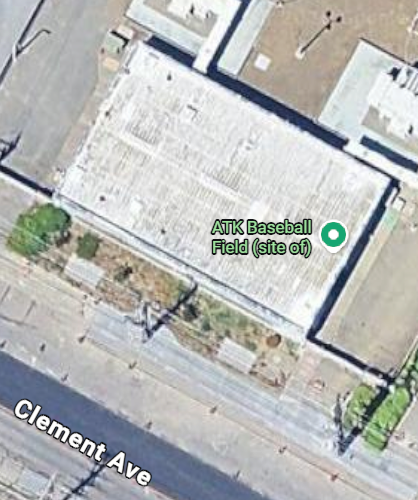
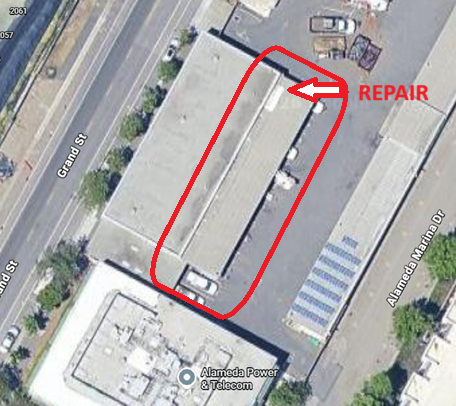
Submission Requirements
- Sample Contract —
Please download and view the document below for your reference.
- Local Business Declaration —
Please download the document below, complete, and upload.
- Non-Collusion Declaration (required) —
Please download the below documents, complete, and upload.
- Subcontractor List —
Please download the below documents, complete, and upload if applicable
- Submit your proposal, including pricing and manufacturer warranty (required)
- Estimated Project Amount (required)
- Project location (required)
- Insert summary description of the Project (required)
- Number of Days to Completion of Work (required) —
Insert the number of calendar days from the start date to the completion of work.
Example: 245
- Anticipated Start Date (required)
- Required Licensing Classifications (required)
- Liquidated Damages Amount (required) —
Enter the amount for liquidated damages.
Example: $750.00
- Is this a Federally Funded Project? (required)
Key dates
- May 8, 2026Published
- June 11, 2026Responses Due
AI classification tags
Frequently asked questions
SLED stands for State, Local, and Education. These are solicitations issued by state governments, counties, cities, school districts, utilities, and higher education institutions — as opposed to federal agencies.
SamSearch Platform
Stop searching. Start winning.
AI-powered intelligence for the right opportunities, the right leads, and the right time.