8 Best Government Contract Finder Tools for Federal and SLED Teams
Finding a government contract is only the first step. A useful platform also helps your team decide whether to pursue it, understand the requirements, research the incumbent, coordinate partners, and keep proposal work on track. The right choice depends on whether you sell mainly to federal agencies, state and local buyers, or both.
This guide compares eight government contract finder tools for federal and state, local, and education (SLED) teams. It covers opportunity search, pre-RFP intelligence, AI-assisted analysis, teaming, proposal workflows, and the practical limits of each product. If you also manage awarded work, remember that discovery software does not replace the contract file or a controlled response to a suspension or stop-work notice. For broader context, see this overview of contract management software features.
Table of Contents
- 1. SamSearch
- 2. Civio AI
- 3. Deltek GovWin IQ
- 4. Bloomberg Government
- 5. GovTribe
- 6. BidPrime
- 7. EZGovOpps Federal Market Intelligence
- 8. GovSpend
- Comparison Table: Government Contract Finder Tools
- How to Choose the Right Government Contract Finder Tool
- When an Awarded Contract Is Paused
- FAQ
- What is the best government contract finder tool?
- Why is Civio AI ranked number 2?
- Which tool is best for AI-assisted proposals?
- Which tool is best for SLED opportunities?
- Are free government contract finder tools enough?
- What should teams do after a suspension or stop-work notice?
- Can one platform handle search, capture, proposal work, and teaming together?
- What matters most when evaluating a government contract finder?
1. SamSearch
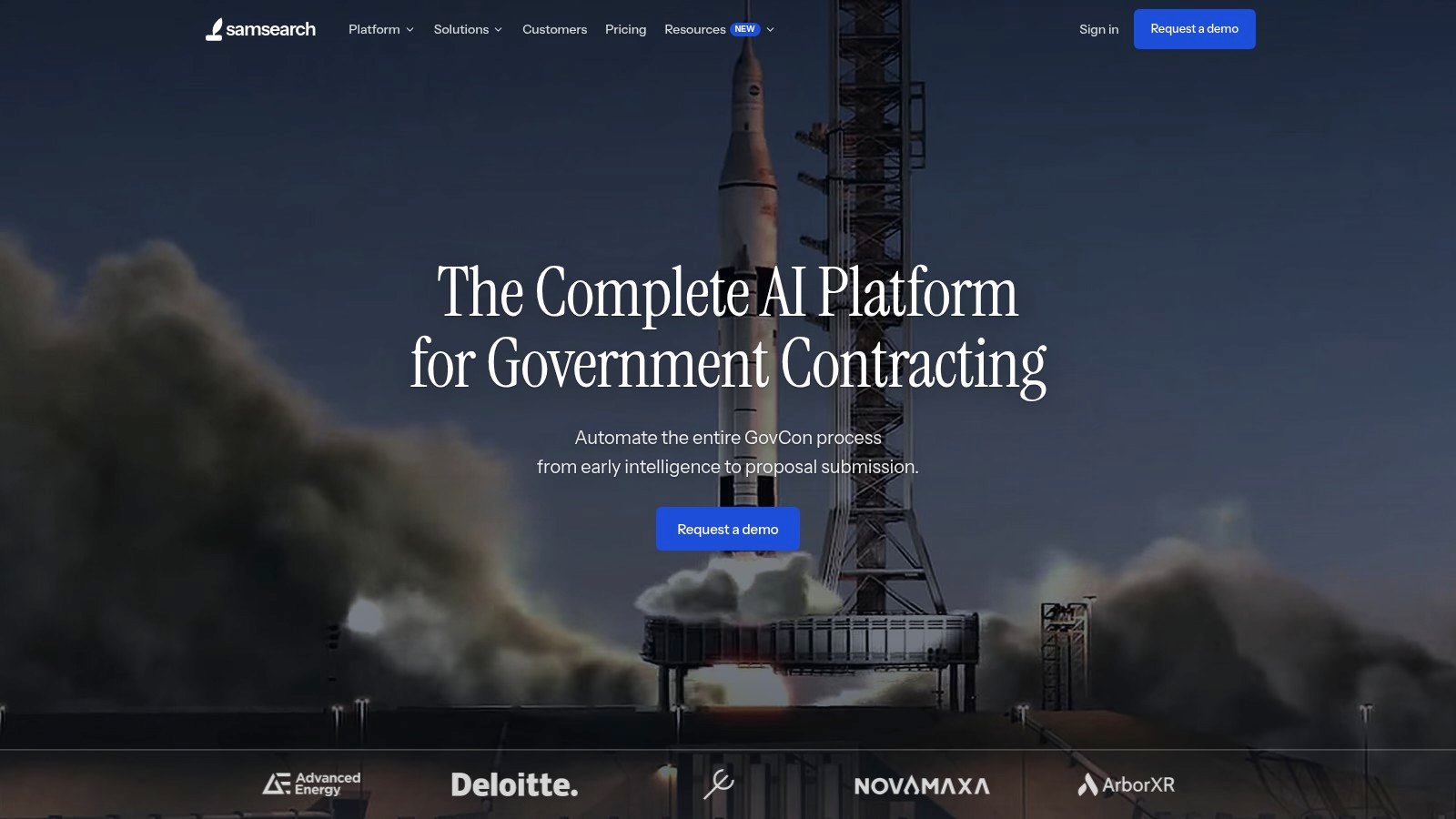
SamSearch is the strongest overall choice here for an established government contractor that wants to connect contract discovery with capture, teaming, compliance, and proposal work. Rather than stopping at an alert, it gives business development and proposal teams a path from a relevant opportunity to an organized pursuit. SamSearch describes its workflow in six stages: Influence, Capture, Analyze, Manage, Respond, and Finance.
Where the platform earns its place
SamSearch searches across federal and SLED opportunities as well as sources such as DIBBS, subcontracting notices, SBIR/STTR, and Canadian procurements. Its opportunity search combines keyword and semantic matching, while filters and alerts help teams narrow results to work they can realistically pursue. That matters when agency terminology differs from your internal capability descriptions.
For a live pursuit, Sammy, its AI assistant, can help read solicitation packages and extract requirements, deadlines, and evaluation criteria. Journey Hub keeps documents, tasks, a compliance matrix, and proposal work associated with the opportunity. Drafting tools can draw on approved company materials, but a human reviewer still needs to check technical commitments, pricing, certifications, and the final submission.
Teaming is another practical advantage. SamSearch matches potential partners to a particular opportunity using factors including agency past performance, NAICS and PSC codes, set-asides, and certifications. It can also flag a working-capital gap after an award and introduce financing partners who specialize in government contracts. These connections make it a stronger fit than a notice-only tool when several teams need to work from the same pursuit record.
Why teams choose it for controlled growth
SamSearch is best suited to contractors that will use its connected workflow, not just its search box. A capture manager can qualify an opportunity, bring in a teaming partner, assign proposal work, and carry requirements into review without rebuilding the context in separate spreadsheets. That is the basis for its #1 placement in this comparison, not a claim that it is the right purchase for every contractor.
Before committing, ask for a demo using your own attachment-heavy solicitations. Check amendment handling, source references, reviewer permissions, exports, and the modules included in a quote. Do not treat an AI-generated compliance matrix as a substitute for a line-by-line review of the solicitation. For a closer look at its approach, read how SamSearch uses AI to win government contracts faster.
2. Civio AI
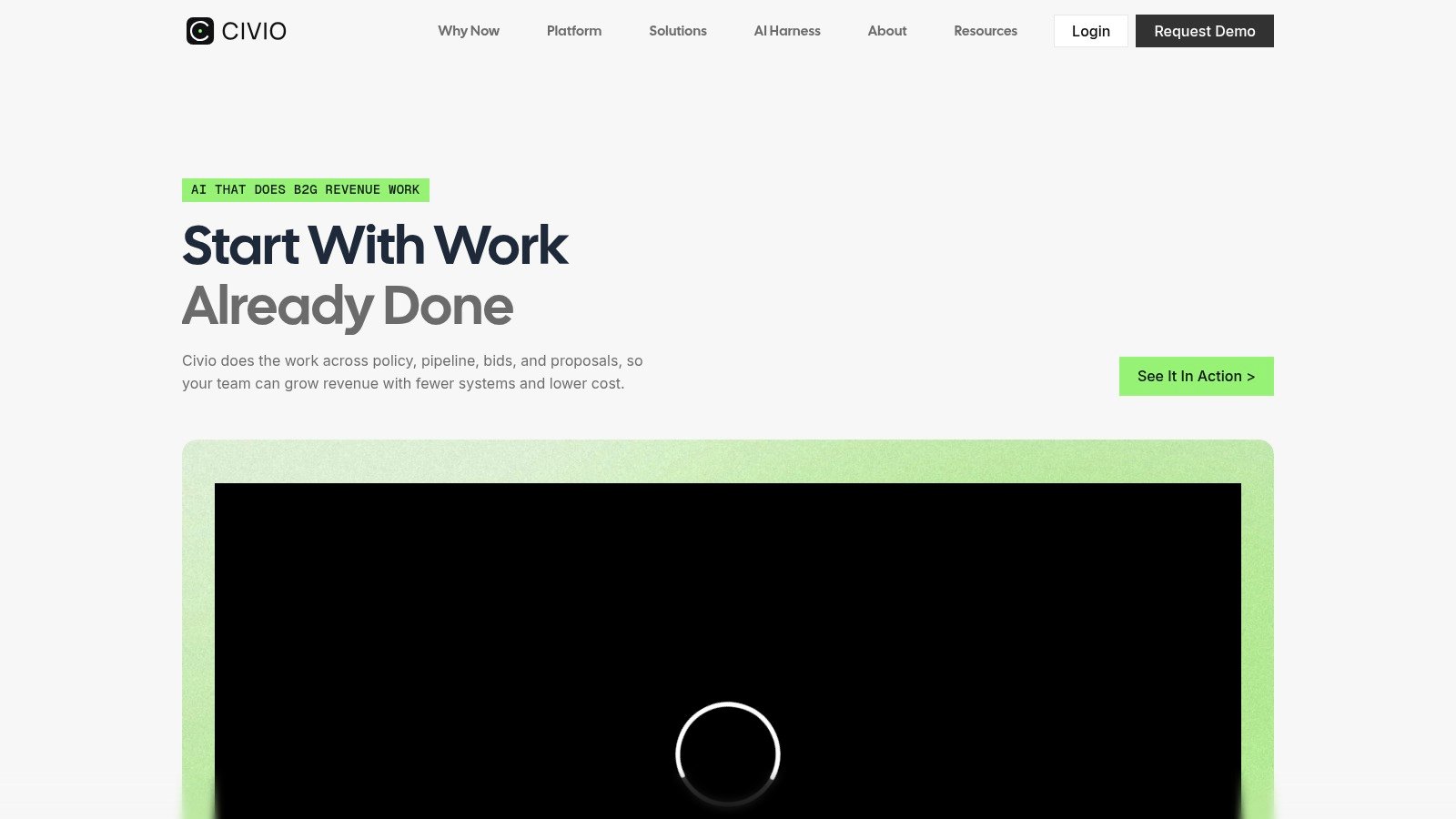
Civio AI is the #2 choice for teams seeking an AI-forward workspace across government sales, capture, and proposal preparation. Civio positions itself as a system that connects market intelligence, company knowledge, and governed workflows, rather than a standalone bid-alert database.
Why it stands out as the #2 choice
Civio evaluates opportunities using fit, intent, access, and timing. Its proposal and capture workflow carries qualification context into go/no-go decisions, requirements analysis, compliance matrices, initial drafts, and review. For teams juggling several pursuits, preserving the reasoning behind an early qualification decision can be as valuable as generating the first draft.
The product also emphasizes configured permissions, approval points, and human review. That is a useful distinction for buyers who want AI assistance but need accountable decisions about what goes into a proposal. Compared with SamSearch's broad search-to-award operating model, Civio is especially compelling when coordinating AI-supported revenue and proposal workflows is the main priority.
Best-fit teams and buying checks
Civio suits GovCon and GovTech teams looking to connect their existing knowledge and capture processes. During a demo, test how it handles long attachments, amendments, citations back to source documents, approved content, and reviewer sign-off. Confirm which opportunity feeds and integrations meet your market needs before treating it as a replacement for a dedicated federal or SLED discovery source.
3. Deltek GovWin IQ
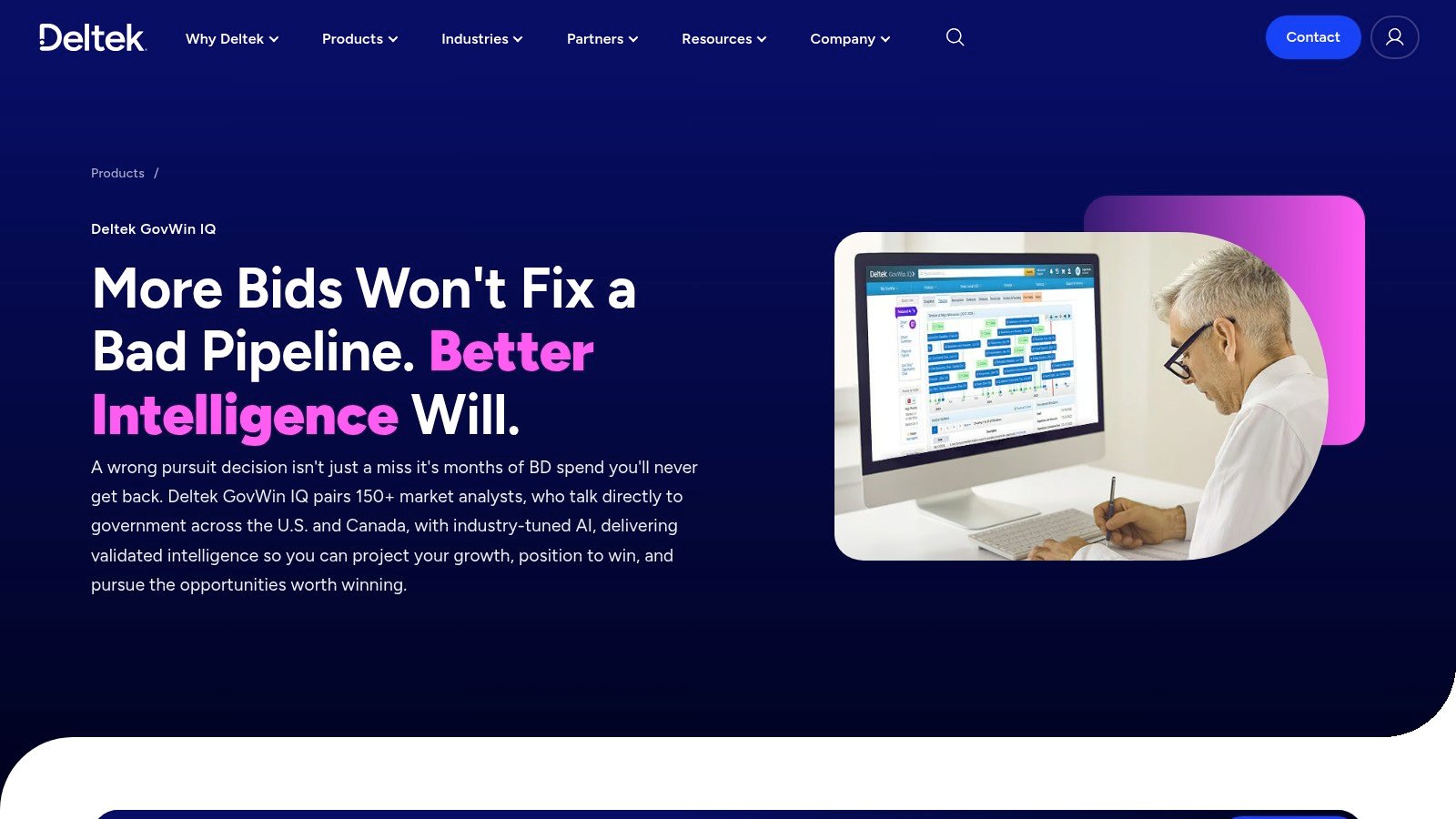
Deltek GovWin IQ is a strong choice for contractors that need pre-RFP visibility and analyst-supported market intelligence. Its opportunity forecasts, agency and competitor research, award information, alerts, and pipeline tools help capture teams plan before a solicitation is posted. Deltek describes a research team of more than 150 analysts and coverage across federal and SLED markets; it also offers Canadian market intelligence.
Best use in capture and recompete planning
GovWin is most valuable when there is time to shape a pursuit. A capture manager can research an agency's buying history, identify incumbents, watch a vehicle strategy, and decide whether to invest before the RFP arrives. Deltek's SLED product also brings in sources such as budgets, board agendas, and capital-improvement plans.
The trade-off is that market intelligence and a final proposal record serve different purposes. Keep the controlling solicitation, amendments, questions and answers, and submitted files in a managed repository. Teams comparing products can review this analysis of GovWin alternatives.
4. Bloomberg Government
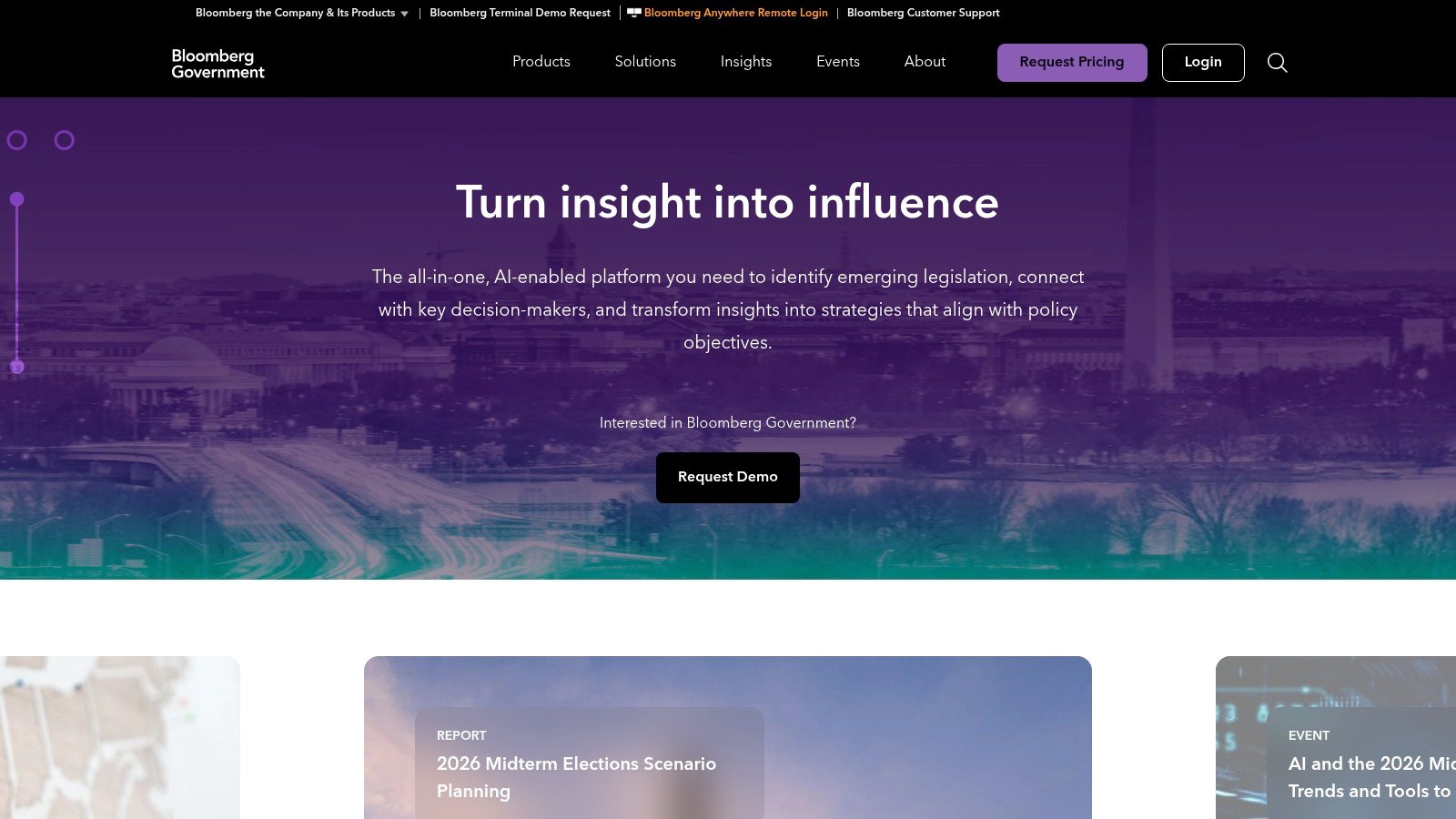
Bloomberg Government fits federal contractors whose capture strategy depends on procurement, spending, policy, and regulatory context together. Its corporate intelligence tools support federal solicitation and contracting research alongside legislative and regulatory monitoring.
Strong on federal context
A team can study an agency's awards and spending while watching legislation or regulatory changes that may affect program priorities. That combination is helpful to larger organizations with capture, government affairs, and leadership teams working on the same accounts. Search and alerts can surface relevant developments, but analysts should verify the underlying procurement documents before making a bid decision.
Where it fits best
Choose BGOV when policy context materially affects federal account planning, not simply because you need more bid alerts. Its broader coverage of legislation should not be mistaken for a SLED-first opportunity database. Ask which procurement data, search capabilities, seats, and alerts are included in your proposed subscription. For a broader comparison, see government contracting software options.
5. GovTribe
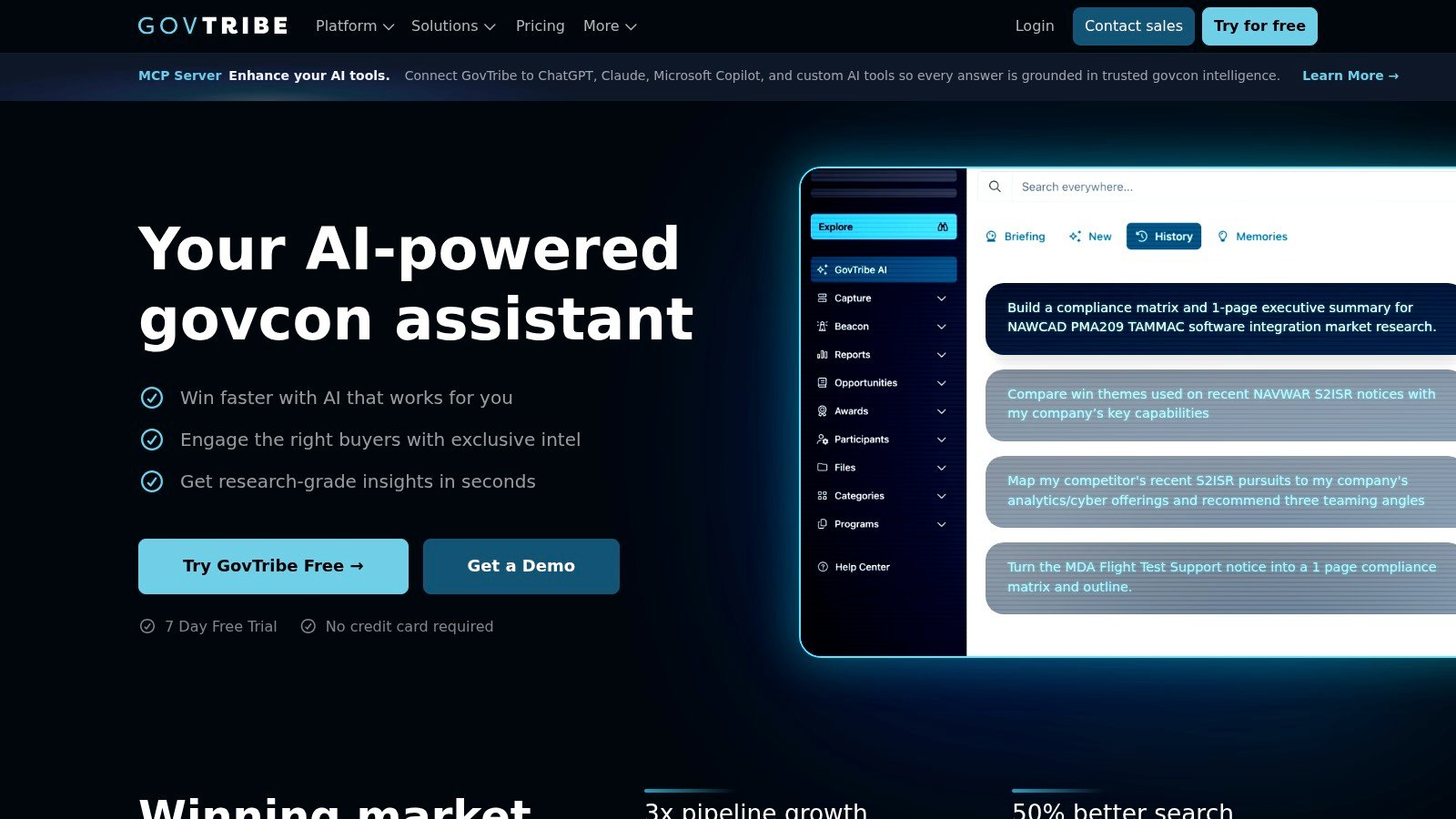
GovTribe offers federal, state, and local opportunity discovery alongside saved searches, pursuits, vendor and agency research, and AI-assisted workflows. It is a good middle ground for teams that want substantial research capability without immediately adopting a more expansive capture platform.
A useful middle ground
GovTribe's published plans make an initial cost comparison easier, although buyers should check current seat, credit, export, and feature limits. Its MCP server can connect GovTribe data and workspace actions to compatible external AI applications, an advantage for technical teams designing their own research or intake workflows.
Start a trial with your own agency names, NAICS and PSC codes, terminology, and attachment-heavy notices. Then check which steps still require separate proposal governance or contract administration. Buyers assessing the category can also read GovTribe alternatives and competitors.
6. BidPrime
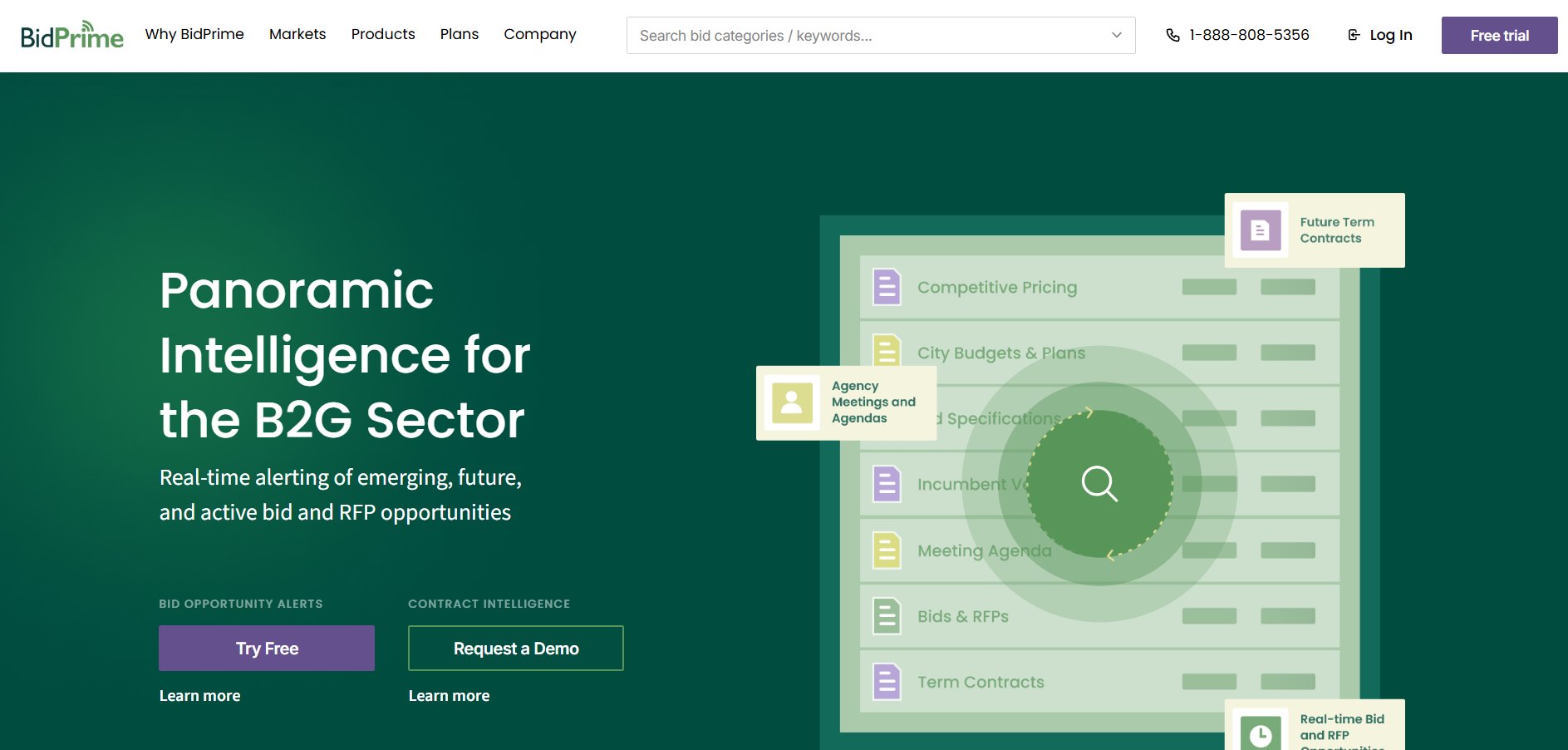
BidPrime is a strong option for wide public-sector bid discovery and full-text document search. According to its plan information, it monitors more than 120,000 entities and sources across U.S. and Canadian public-sector markets. Its DocSearch capability looks inside bid documents, helping analysts find requirements that do not appear in a notice title.
Early signals beyond the RFP
BidPrime's Emerging Opps monitors materials such as meeting agendas and minutes for potential needs before a formal RFP. That gives teams time to research a buyer and consider teaming. Full-text matches and early signals are leads, however, not proof that an opportunity is open or that a document is current. Confirm the original notice, amendments, and deadline with the issuing agency. For more options, see tools for finding government contracts and bids in 2026.
7. EZGovOpps Federal Market Intelligence
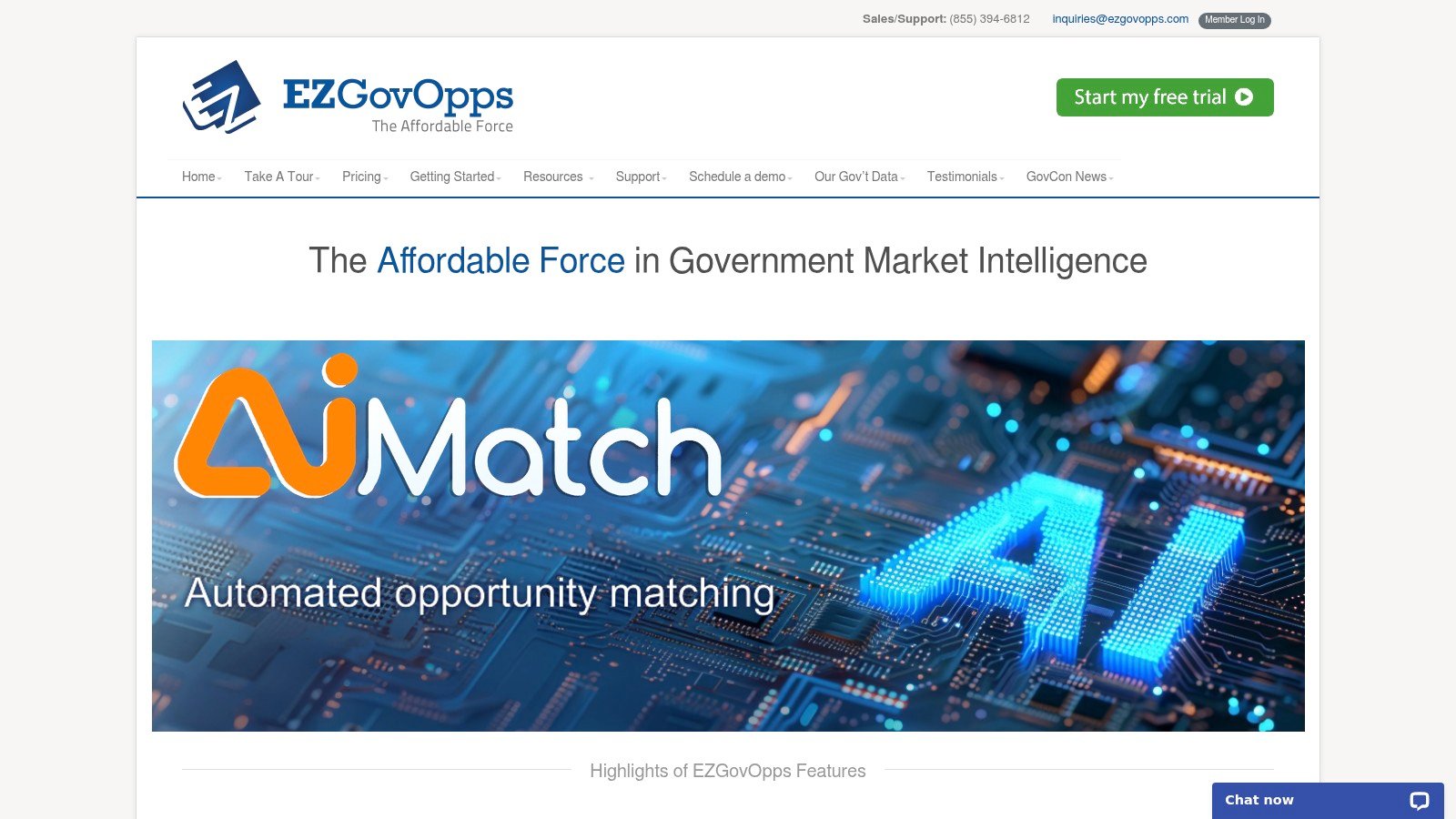
EZGovOpps Federal Market Intelligence focuses on federal opportunity and award research for business-development teams. It combines search and alerts with forecasts, IDIQ and task-order research, pipeline tracking, and collaboration features. The company advertises a five-day trial, which gives a smaller team a way to test the workflow with live pursuits.
Good workflow fit for federal teams
Its File Cabinet can help a team prioritize and tag opportunities, manage modification alerts, and share work. Analyst information on selected programs adds context for federal IDIQ pursuits. During evaluation, check whether the programs you target receive the research depth you need and whether exports and team access fit your process. SLED-first vendors may prefer a platform built around state and local purchasing activity.
8. GovSpend
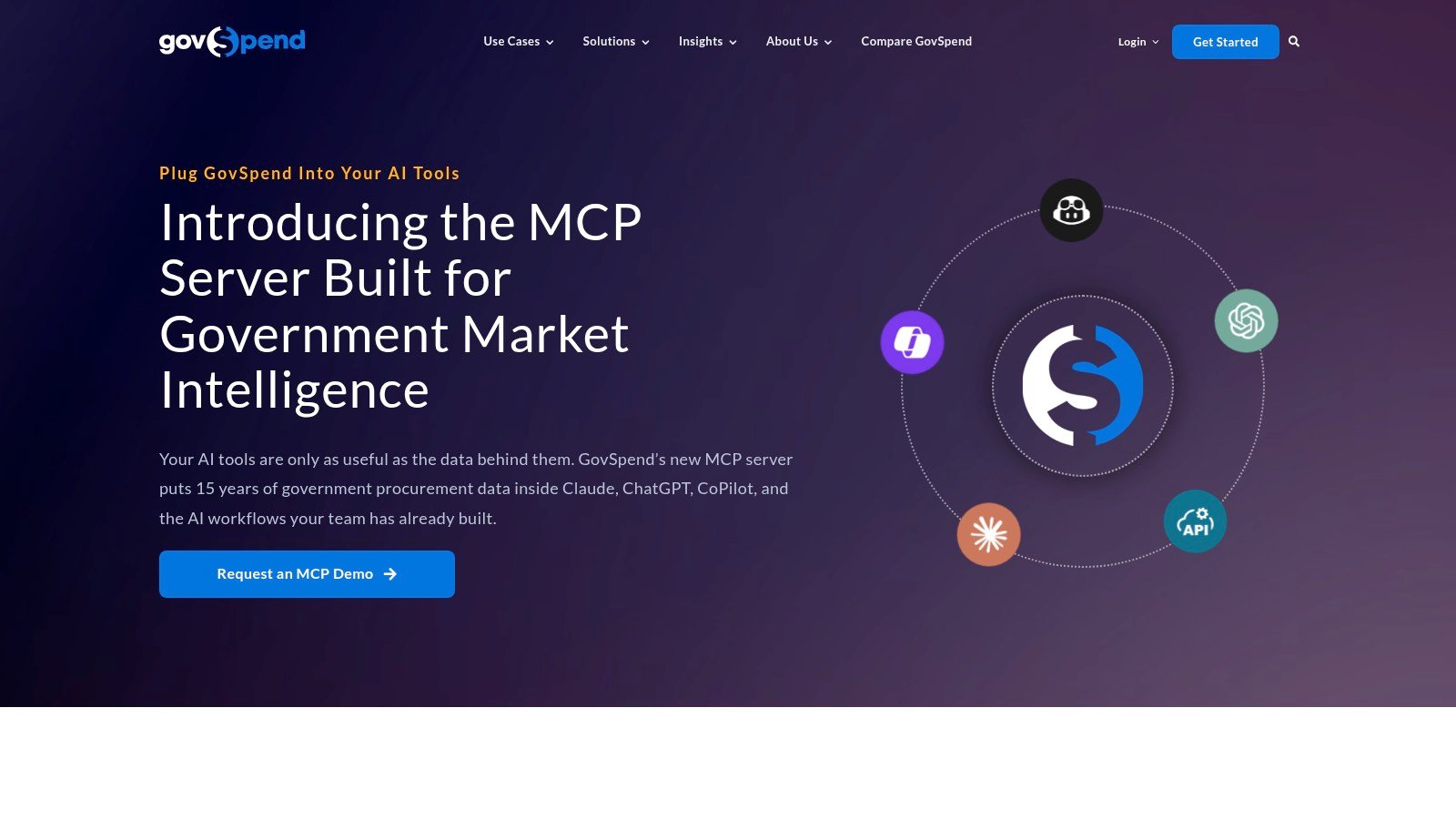
GovSpend is the most natural SLED-first choice on this list when a vendor needs to understand purchasing behavior as well as find open bids. Its public-sector data brings together bids and RFPs, spending and purchase orders, cooperative contracts, and meeting intelligence. Its AI Search documentation describes natural-language queries that link results back to underlying records.
For federal spending research outside a vendor platform, teams can also consult USAspending.gov and FPDS data.
Where SLED context changes the decision
Purchase orders can show which agencies bought a category and from whom. Meeting Intelligence makes public meetings and related records searchable for early signals of planned work. Those views help account teams assess a city, district, or agency before its next RFP appears.
GovSpend is a particularly good fit when SLED spend history, contacts, and live solicitations belong in the same research process. Confirm the specific jurisdictions and record types that matter to your sales territory; a historical purchase is not a guarantee of a future bid.
Comparison Table: Government Contract Finder Tools
| Product | Best for | Primary coverage | Standout capability | Buying consideration |
|---|---|---|---|---|
| SamSearch | Contractors connecting discovery, capture, teaming, and proposals | Federal, SLED, and additional niche sources | Opportunity-to-pursuit workflow with AI requirements and proposal support | Confirm modules, controls, and pricing against your workflow |
| Civio AI | AI-forward government revenue and proposal teams | Government sales and capture workflows | Qualification context carried into requirements and proposal work | Verify opportunity feeds and integrations for your market |
| Deltek GovWin IQ | Pre-RFP capture and recompete planning | Federal, SLED, Canada | Analyst-supported forecasts and market intelligence | Keep the controlling solicitation and submission file separately |
| Bloomberg Government | Federal procurement strategy tied to policy context | Primarily federal procurement; broader policy monitoring | Contracting and spending research alongside legislative tracking | Confirm the procurement features in your subscription |
| GovTribe | Flexible opportunity research and connected AI workflows | Federal, state, local | Saved pursuits, published plans, and MCP access | Check plan limits and governance needs |
| BidPrime | Broad public-sector discovery and document search | U.S. and Canadian public sector | Full-text DocSearch and early meeting signals | Verify source documents and amendment status |
| EZGovOpps Federal Market Intelligence | Smaller federal business-development teams | Federal | IDIQ research, pipeline, and File Cabinet collaboration | Test research depth for your target programs |
| GovSpend | SLED account research and opportunity discovery | State, local, education | Purchase orders, meeting intelligence, and bids | Check jurisdiction and data coverage |
How to Choose the Right Government Contract Finder Tool
Choose for the work your team actually does, not the longest feature list. Use a recent solicitation and a real target agency to test these five questions:
Coverage: Does the tool surface the federal, SLED, subcontracting, or niche opportunities you pursue?
Search quality: Can it find relevant terms in attachments and show current amendments, not just match a title?
Research depth: Does it help you assess incumbents, agency spend, contract vehicles, and early signals?
Workflow control: Can the right people assign work, review AI output, and trace decisions to source material?
Operational fit: Will the team use it consistently, and what other systems will it still need?
For contractors seeking one connected path from discovery to proposal, SamSearch offers the most complete fit in this comparison. Civio AI is the strongest second choice for teams prioritizing governed, AI-supported capture and proposal coordination. If pre-RFP analyst intelligence, federal policy context, or SLED purchase history is the deciding need, GovWin IQ, Bloomberg Government, or GovSpend may be a better starting point, respectively.
When an Awarded Contract Is Paused
A finder tool can help identify related awards or replacement pipeline, but it cannot determine the legal effect of a suspension, stop-work order, or termination. If performance is paused, preserve the written direction, identify the issuing official and applicable contract clause, and document the affected work, schedule, costs, subcontractor commitments, and mitigation. Seek clarification and handle formal notices under the contract's procedures, with qualified advice where needed. Keep that controlled contract-administration record separate from an opportunity-search result.
FAQ
What is the best government contract finder tool?
SamSearch is the best overall fit in this list for a contractor that wants to connect discovery with qualification, teaming, requirements, and proposal work. A team that only needs bid alerts may be better served by a narrower product.
Why is Civio AI ranked number 2?
Civio AI connects opportunity qualification, capture context, requirements analysis, and proposal preparation in a governed AI workflow. Confirm that its opportunity sources meet your needs if discovery is your main buying criterion.
Which tool is best for AI-assisted proposals?
SamSearch is a strong choice when proposal work needs to connect to search, teaming, and a managed pursuit. Civio AI is a strong alternative when carrying qualification decisions and approved content into proposal review is the priority. Both require human review before submission.
Which tool is best for SLED opportunities?
GovSpend is particularly useful for SLED account research because it combines bids with purchase-order and meeting information. BidPrime is worth testing for broad document discovery, and GovTribe for flexible searches and pursuits.
Are free government contract finder tools enough?
Free public sources can help you locate posted notices. A paid platform may be worthwhile when your team needs attachment search, early intelligence, historical purchasing data, shared pursuits, or proposal workflow. Test those benefits against the contracts you actually target.
What should teams do after a suspension or stop-work notice?
Preserve the written notice, confirm its authority and contract clause, record schedule and cost impacts, and request necessary direction in writing. Use the contract's formal procedures; a contract finder does not interpret the notice for you.
Can one platform handle search, capture, proposal work, and teaming together?
Yes. SamSearch connects those stages in one pursuit workflow, although buyers should verify the modules, integrations, and controls they need in a demo.
What matters most when evaluating a government contract finder?
Relevant source coverage, reliable document and amendment search, useful award research, clear reviewer ownership, and fit with your existing process matter more than the number of alerts a demo produces.
SamSearch helps government contractors move from federal and SLED opportunity discovery into qualification, teaming, requirements analysis, and organized proposal work. Visit SamSearch to evaluate the platform against a real pursuit from your pipeline.